AI Now Asks Research Questions Scientists Haven't Thought Of
Scientists drowning in data finally have a digital partner that asks the questions they don't know to ask. The Allen Institute for AI just launched AutoDiscovery, turning 108 million research papers into an automated hypothesis machine.
Imagine having a research assistant that works through the night, combing through millions of scientific papers and coming back with fresh questions you never thought to explore.
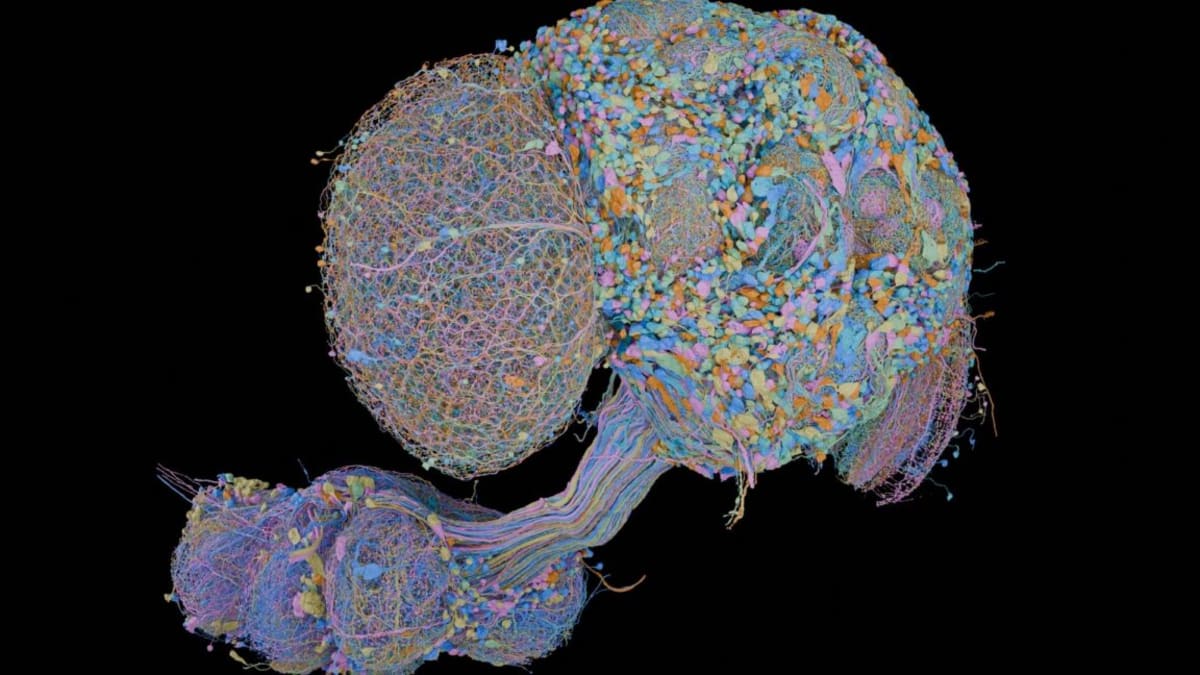
That's exactly what the Allen Institute for AI unveiled this week with AutoDiscovery, an artificial intelligence system now available through their Asta platform. It analyzes over 108 million academic abstracts and 12 million full papers, but here's what makes it special: it doesn't wait for scientists to ask questions.
Instead, AutoDiscovery generates its own hypotheses, designs experiments, writes Python code to test them, and interprets the results. Then it uses those findings to generate even more questions, like a curious researcher following breadcrumbs through unexplored territory.
The system uses something called Bayesian surprise to measure how much new evidence changes its expectations. When AutoDiscovery examines a paper, it starts with a belief about whether a hypothesis might be true. After analyzing the results, it measures how surprised it was by what it found.
Here's the clever part: both confirmed and completely wrong hypotheses can be equally valuable if they're surprising enough. Think of Dr. John Snow in the 1860s proving cholera spread through contaminated water, not bad air. That shocking discovery completely overturned the miasma theory that dominated medicine for centuries.
Dr. Kelly Paulson, a medical oncologist at the Swedish Cancer Institute, sees particular promise in cancer research. "AutoDiscovery's ability to reveal discoveries that may be hiding in plain sight is especially valuable," she said.
The system can run quick analyses or work overnight, delivering a complete list of possible research directions by morning. Each finding is reproducible, meaning scientists can dig deeper into anything that catches their attention.
Why This Inspires
This isn't about replacing scientists. It's about giving them a tireless partner that spots patterns humans might miss in mountains of data.
Dr. Fabio Favoretto, a marine ecologist at Scripps Institution of Oceanography, captured it perfectly: "The ability to generate multiple hypotheses that can then be thoroughly evaluated by the user is extremely powerful." Scientists keep their expertise and judgment while gaining a tool that transforms static data into an active collaborator.
The real beauty is in what AutoDiscovery might uncover: connections between seemingly unrelated studies, overlooked patterns in familiar data, and questions that could crack open new fields of inquiry. It's the difference between searching for answers and discovering you've been asking the wrong questions all along.
Scientific breakthroughs often hide in plain sight, waiting for someone to ask the right question.
More Images


Based on reporting by Google: scientific discovery
This story was written by BrightWire based on verified news reports.
Spread the positivity!
Share this good news with someone who needs it