AI Power Demand Drives 1.5 GWh Sodium Battery Deal
Two companies just signed a groundbreaking deal to power AI data centers with safer, more affordable sodium-ion batteries instead of lithium. The 1.5 gigawatt-hour agreement could reshape how we handle exploding energy demands from artificial intelligence.
The race to power artificial intelligence just sparked an innovation that could make energy storage safer and more affordable for everyone.
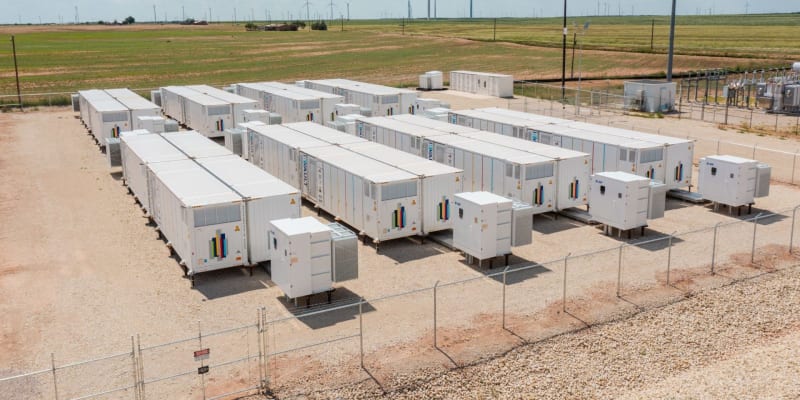
Energy Vault and Peak Energy announced a deal to build battery systems specifically designed for AI data centers using sodium-ion technology instead of traditional lithium-ion batteries. The partnership includes a commitment for 1.5 gigawatt-hours of US-manufactured sodium-ion battery systems.
Here's why this matters. AI computing creates unpredictable power spikes that strain traditional electrical systems. Most existing battery storage was built for steadier energy needs, not the wild swings AI creates during training and processing.
Sodium-ion batteries offer a compelling alternative. They're safer than lithium-ion systems and don't rely on expensive materials that create supply chain headaches. For data centers dealing with volatile power demands, that combination could be transformative.
The new system combines Peak Energy's sodium-ion technology with Energy Vault's software controls and system design. According to the companies, the integrated approach speeds up deployment, lowers upfront costs, and improves safety for operators managing high-volatility computing loads.
The deal also secures domestic manufacturing, meaning both companies expect their projects to qualify for federal tax credits. That financial boost could accelerate adoption and prove sodium-ion's viability at commercial scale.
Peak Energy CEO Landon Mossburg emphasized that lowering energy costs is critical for competing in AI development. His company's approach offers what he calls "a lower-cost, faster path to connecting data centers to the grid."
The Bright Side
While AI's energy appetite has raised concerns about grid strain and environmental impact, this partnership shows how demand can drive positive innovation. The need to power AI efficiently is pushing companies to develop better, safer battery technology that could eventually benefit homes, communities, and renewable energy projects everywhere.
Sodium-ion has long been considered promising but struggled to compete with lithium-ion's established supply chains and proven track record. Now AI's explosive growth is creating exactly the kind of market opening alternative technologies need to prove themselves at scale.
If the technology delivers on its promises, we could see sodium batteries powering not just data centers but also grid storage projects that make renewable energy more reliable. That would mean cleaner energy becoming more accessible and affordable for communities nationwide.
The real test comes next: proving sodium-ion works not just in theory but in the demanding real world of commercial operations.
This deal represents more than just two companies partnering—it's a bet that solving AI's energy challenge will create solutions benefiting us all.
More Images



Based on reporting by Electrek
This story was written by BrightWire based on verified news reports.
Spread the positivity!
Share this good news with someone who needs it