AI Predicts Battery Life in Days, Not Years
University of Michigan researchers created an AI tool that predicts battery performance in just days instead of months or years, using 95% less energy. This breakthrough could dramatically speed up development of next-generation batteries for electric vehicles and renewable energy storage.
Battery testing just got a massive upgrade that could accelerate the clean energy revolution.
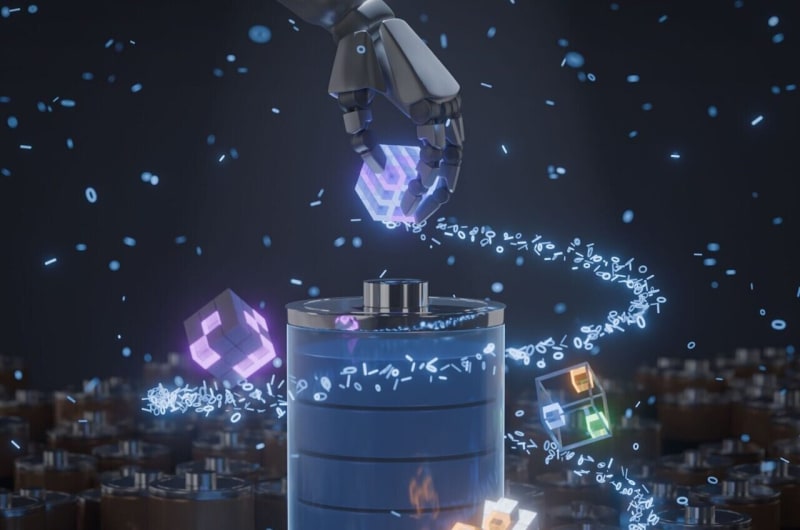
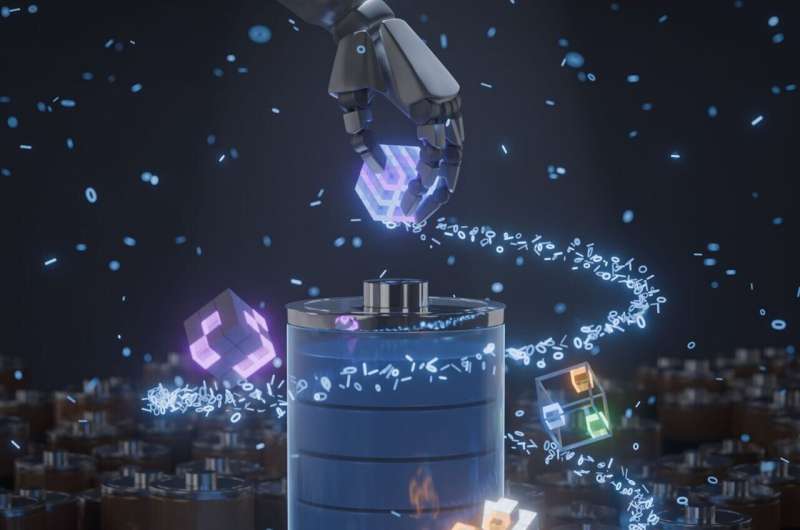
Researchers at University of Michigan developed an AI tool that predicts how long a new battery design will last after testing it for just 50 charge cycles. Traditional testing requires running batteries through 1,000 cycles, a process that can take months to years and consumes enormous amounts of electricity.
The new approach slashes that timeline to just days or weeks while using 95% less energy. "We can minimize experimental efforts and achieve accurate prediction performance for new battery designs," said Ziyou Song, assistant professor of electrical and computer engineering who led the study published in Nature.
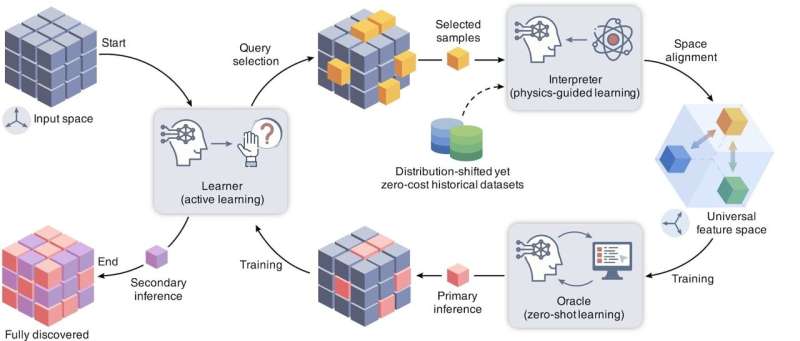
The AI works like a student learning through discovery. It identifies gaps in its knowledge, runs short experiments to fill those gaps, then draws on historical battery data and physics-based modeling to make accurate predictions about untested designs.
The system uses three AI components working together. A "learner" selects which battery candidates to test, an "interpreter" analyzes the results using historical data and physics calculations, and an "oracle" makes final predictions based on all available information.
The team trained their model using only free, public data from older cylindrical battery designs. Remarkably, it could then predict the performance of completely different battery types, including larger pouch cells provided by California battery company Farasis Energy USA.
The Ripple Effect
This breakthrough arrives at a crucial moment for clean energy. Better batteries are essential for electric vehicles, renewable energy storage, and fighting climate change. Yet developing new battery technology has always been painfully slow because testing takes so long.
The discovery learning approach could speed innovation across the entire battery industry. Companies can now test more designs faster while consuming far less energy during development. The team estimates their method requires just 5% of the energy and 2% of the time compared to conventional testing.
Beyond batteries, the researchers believe their discovery learning framework could accelerate development in other scientific fields facing similar testing bottlenecks. The team plans to expand the approach to predict other battery characteristics like safety and charging speed.
What took years could soon take days, bringing better batteries to market faster than ever imagined.
More Images
Based on reporting by Phys.org - Technology
This story was written by BrightWire based on verified news reports.
Spread the positivity!
Share this good news with someone who needs it