AI Predicts Best Depression Meds, Ending Trial and Error
Scientists developed a machine learning tool that predicts which antidepressant will work for individual patients before they even start treatment. The breakthrough could spare millions from months or years of trying different medications to find relief.
For the 280 million people worldwide living with depression, finding the right medication has always been a frustrating guessing game that can stretch for months or even years.
That frustrating reality might soon be over. Researchers at Stanford University and partner institutions have created a machine learning model that predicts which antidepressant will work for specific patients with remarkable accuracy.
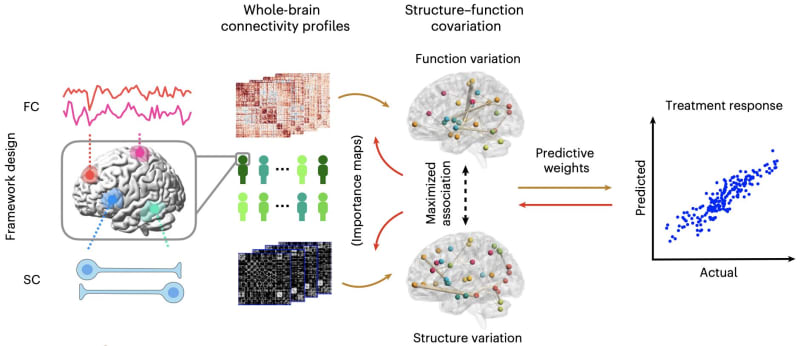
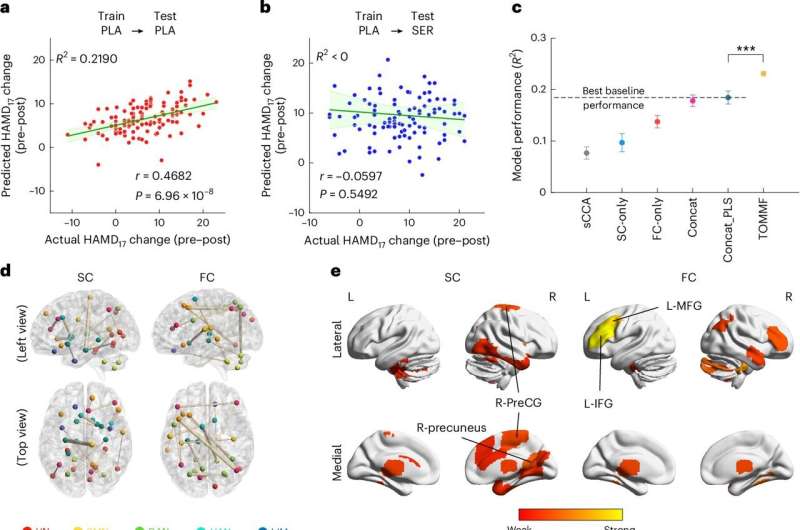
The team trained their AI on brain scans from patients with major depression who were prescribed either sertraline, escitalopram, or a placebo pill. The model learned to spot patterns in brain structure and connections that predicted who would improve with each treatment option.
What makes this breakthrough special is its precision. The AI doesn't just predict whether someone will respond to medication in general. It can distinguish between responses to different drugs and even separate actual medication effects from placebo responses, which are surprisingly common in depression treatment.
Dr. Yu Zhang, who led the study published in Nature Mental Health, designed the model to be both accurate and understandable. Unlike black box AI systems, this one points to specific brain circuits and networks that influence treatment response.
The model successfully predicted patient responses across independent patient groups, meaning it works reliably beyond just the original test subjects. That consistency is crucial for real world medical use.
Why This Inspires
Right now, finding effective depression treatment often means trying one medication, waiting weeks to see if it works, switching to another if it doesn't, and repeating the cycle. Each failed attempt means more weeks of suffering, lost productivity, and growing hopelessness.
This new approach could transform that experience into a single brain scan followed by a personalized prescription. Patients could start with the medication most likely to help them, dramatically shortening the path to feeling better.
The research also revealed important insights about how common antidepressants affect the brain, knowledge that could lead to even better treatments down the road. The team identified specific brain networks associated with successful responses, giving scientists new targets for understanding and treating depression.
The researchers are already working on making the system more practical for everyday clinical use, including handling situations where complete brain scans aren't available. Their goal is turning this laboratory success into a tool any psychiatrist can use.
Depression robs people of energy, hope, and years of their lives, but personalized medicine could finally give patients and doctors the certainty they need to choose treatments that actually work.
More Images
Based on reporting by Medical Xpress
This story was written by BrightWire based on verified news reports.
Spread the positivity!
Share this good news with someone who needs it