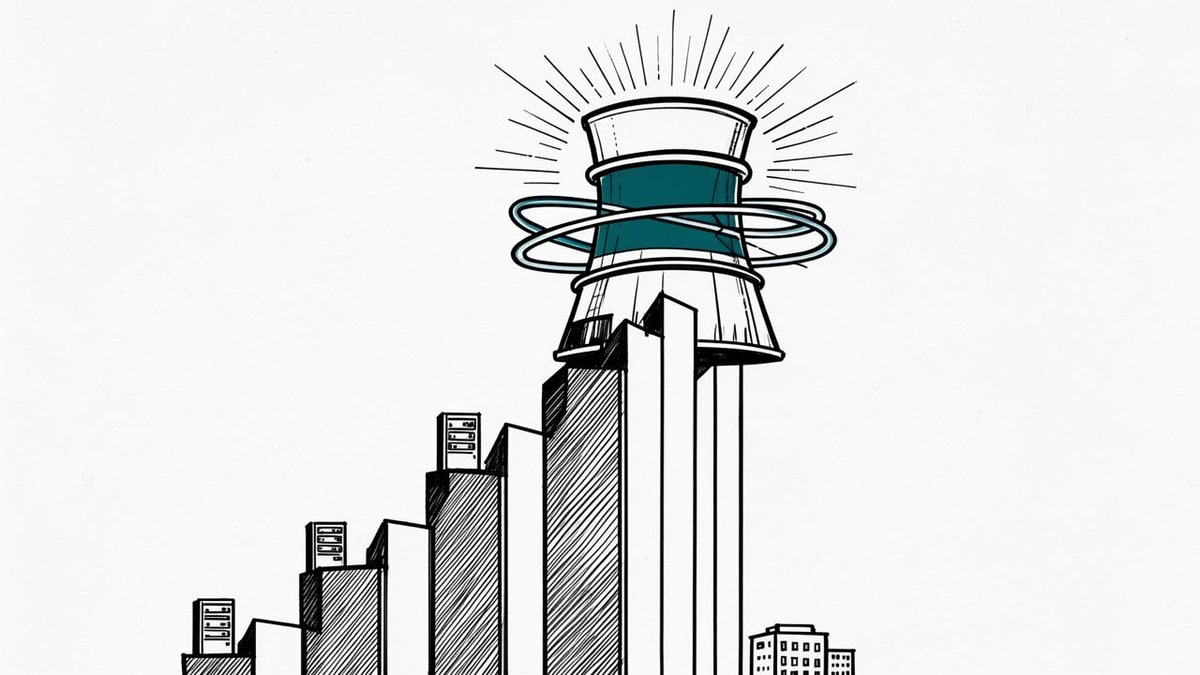
AI Predicts Cancer Decades Early in New Partnership
Scientists are building AI that could detect cancer and other diseases decades before symptoms appear. The breakthrough combines cutting-edge algorithms with massive genomic databases to extend healthy human lifespan.
Imagine knowing your cancer risk 20 years before any symptoms appear, with time to prevent it. That future just got closer thanks to a groundbreaking partnership announced this week.
Hong Kong-listed Insilico Medicine has teamed up with California-based Human Longevity to create what they're calling the world's first large-scale AI foundation model for disease prediction. The technology aims to spot age-related diseases like cancer decades in advance and suggest personalized treatments to keep people healthy longer.
The collaboration brings together two powerhouses in AI-driven health research. Insilico contributes sophisticated algorithms and computational tools, while Human Longevity provides genomic data from thousands of people, creating a comprehensive picture of how diseases develop over time.
Human Longevity was co-founded by J. Craig Venter, the scientist who first sequenced the human genome. Over 13 years, the company invested $600 million building longevity algorithms using MRI scans, CT imaging, and advanced genetic analysis.
The partnership will operate through a newly launched company called Human Life Foundation Models. While neither side disclosed exact figures, they described it as a multimillion-dollar collaboration aimed at tackling one of biology's toughest challenges.
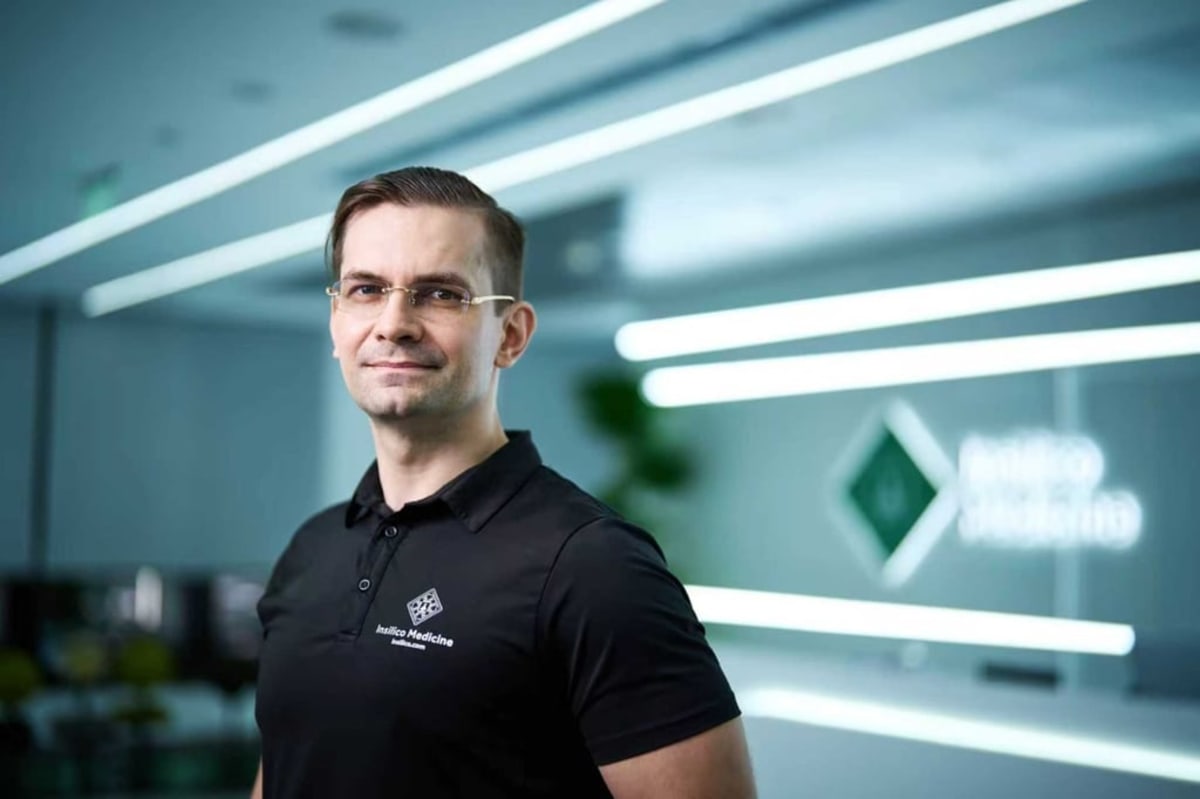
"We aim to build a next-generation AI system capable of decoding the biology of aging," said Alex Zhavoronkov, Insilico's founder and CEO. The goal extends beyond just living longer to helping everyone access treatments that work.
The timing couldn't be better. The global longevity market stands at $5.3 trillion today and is projected to hit $8 trillion by 2030, driven by aging populations and growing demand for healthier, longer lives.
The Ripple Effect
This partnership represents more than just corporate collaboration. It signals a fundamental shift in how we approach healthcare, from treating diseases after they appear to preventing them before they start.
The technology could transform medicine from reactive to proactive, giving people decades of warning to make lifestyle changes or begin treatments. For families with histories of cancer, heart disease, or other serious conditions, early prediction could mean the difference between prevention and crisis.
Geoffrey Hinton, widely regarded as one of the "godfathers of AI" and a Nobel laureate, recently joined Human Longevity's scientific advisory board. His involvement underscores the serious scientific firepower behind this effort.
The AI system they're building analyzes massive amounts of biological data to spot patterns invisible to human researchers. By understanding how diseases develop at the molecular level years before symptoms emerge, doctors could intervene when prevention is still possible.
This approach could also accelerate drug discovery, helping researchers develop treatments that address the root causes of aging and disease rather than just managing symptoms.
The promise is simple but profound: technology that helps you live not just longer, but healthier, with more time for the moments that matter most.
More Images


Based on reporting by South China Morning Post
This story was written by BrightWire based on verified news reports.
Spread the positivity!
Share this good news with someone who needs it