AI Revolutionizes Space Discovery at Swiss-China Workshop
More than 50 astronomers from Switzerland and China gathered to explore how artificial intelligence is transforming our understanding of the universe. The collaboration marks a major step forward in using AI to unlock cosmic mysteries hidden in massive telescope datasets.
Scientists are witnessing a revolution in how we explore space, and artificial intelligence is leading the charge.
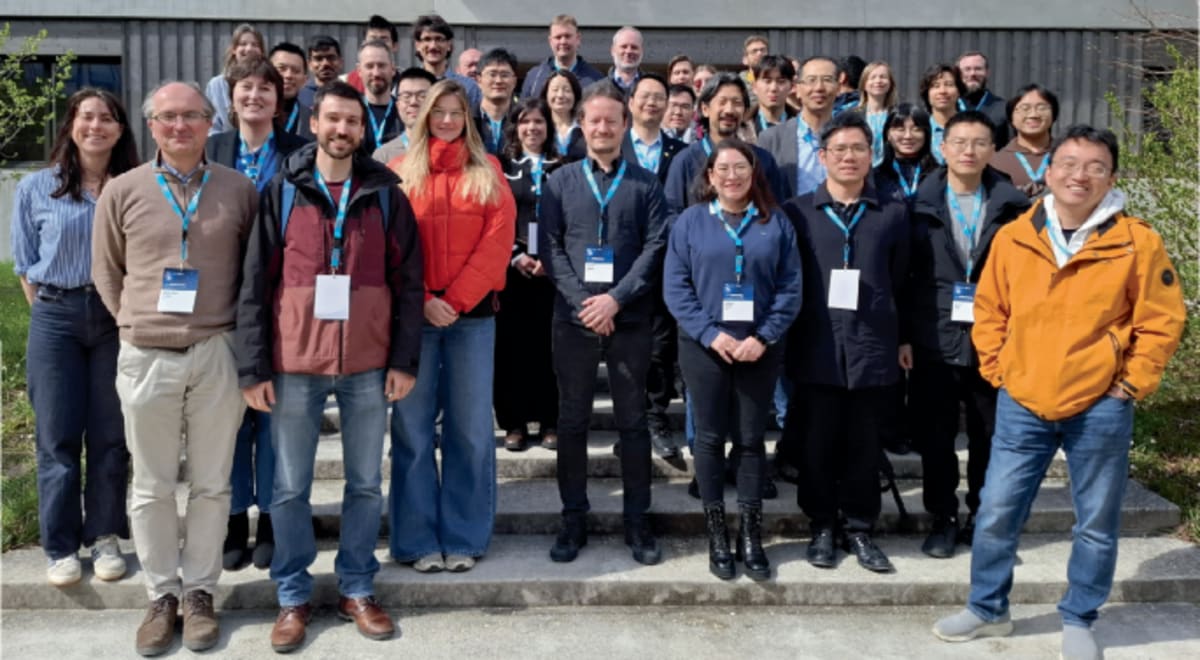
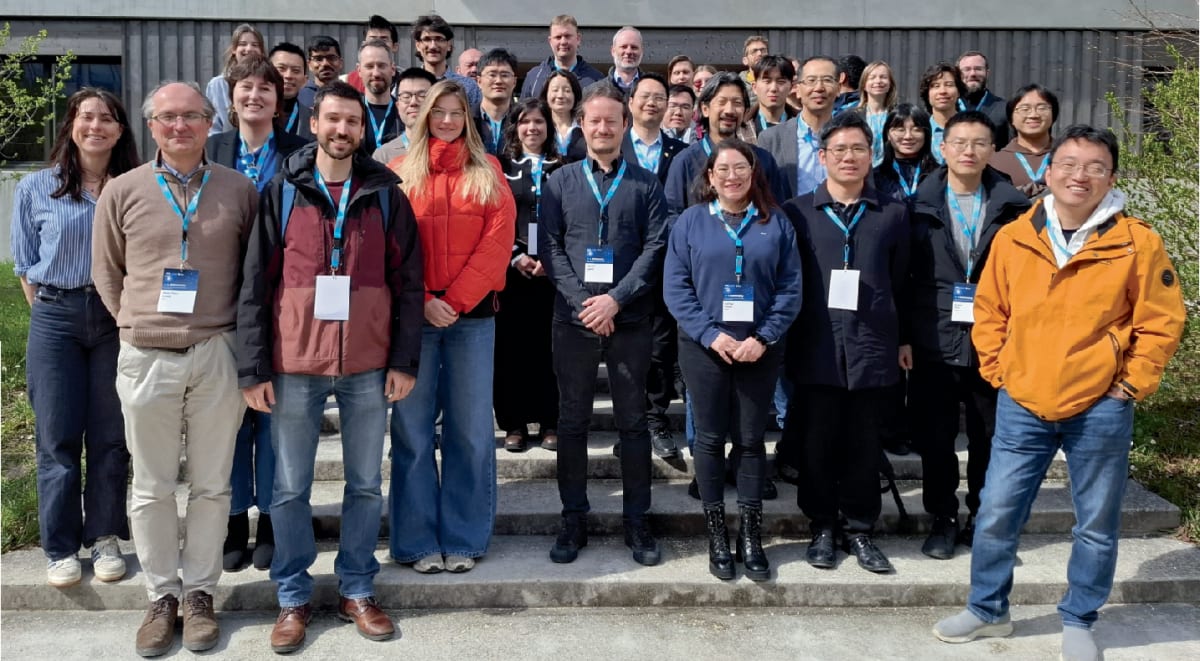
Researchers from Switzerland's EPFL Laboratory of Astrophysics and China's Zhejiang Lab met in Lausanne this spring for a groundbreaking workshop on AI in astronomy. The two-day gathering brought together more than 50 experts focused on one ambitious goal: using machine learning to discover what humans alone might miss in the vast sea of cosmic data.
Modern telescopes generate enormous amounts of information every night. A single sky survey can produce petabytes of data containing millions of galaxies, stars, and potentially undiscovered phenomena.
Traditional analysis methods simply can't keep up with this flood of cosmic information. That's where AI steps in, scanning through data at superhuman speeds to spot patterns, classify objects, and flag unusual discoveries that warrant closer human attention.
The workshop tackled real challenges astronomers face when deploying AI tools. How do you train algorithms on cosmic events we've never seen before? What happens when AI models make mistakes in identifying distant galaxies or exoplanets?
These aren't just theoretical questions. The collaboration between Swiss and Chinese researchers brings together different perspectives and datasets, strengthening the reliability of AI models used in space exploration.
Recent AI applications in astronomy have already produced exciting results. Machine learning algorithms have identified new types of gravitational lenses, classified galaxies with unprecedented accuracy, and even helped map dark matter's invisible influence across the universe.
The Ripple Effect
This international partnership shows how AI is democratizing space discovery in unexpected ways. Smaller research teams can now analyze data that once required armies of graduate students manually classifying images.
Young scientists in countries without massive telescope infrastructure can make meaningful contributions by developing clever algorithms. The workshop's collaborative spirit reflects a growing recognition that the biggest cosmic questions require global expertise.
The intersection of AI and astronomy is also inspiring the next generation of researchers. Students today can contribute to genuine discoveries while still learning, using code to explore questions about the universe's origins and structure.
As telescopes grow more powerful and datasets expand, human-AI collaboration will become essential rather than optional. This workshop represents an important step toward building the international frameworks and shared standards that future space discovery will require.
The cosmos is revealing its secrets faster than ever before, and artificial intelligence is helping humanity keep pace with the universe's mysteries.
More Images
Based on reporting by Google: scientific discovery
This story was written by BrightWire based on verified news reports.
Spread the positivity!
Share this good news with someone who needs it