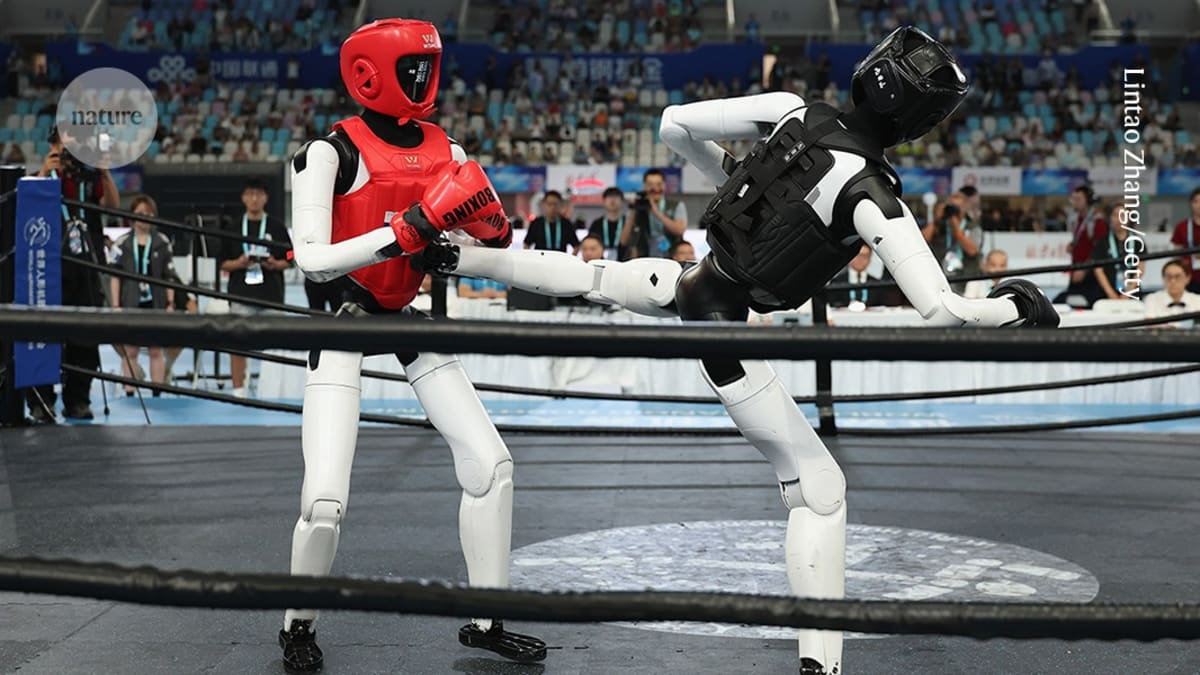
2,000 Robots From 16 Nations Compete in China Games
Over 2,000 humanoid robots from six continents gathered in Beijing to sprint, play tennis, and tackle real-world tasks like hospital deliveries and fire rescue. The competition showcased how machines are leaping from labs into everyday life while bringing global teams together to advance robotics technology.
Humanoid robots aren't just science fiction anymore. They're racing down tracks, making hospital beds, and even playing music alongside humans.
The Second World Humanoid Robot Games wrapped up in Beijing last week after five days of competition that felt like a glimpse into the future. Over 2,000 robots from 16 countries and regions across six continents took part in 51 different events that tested everything from speed and agility to practical problem-solving skills.
This wasn't just about which robot could run fastest or jump highest. Twenty-one competitions mimicked real-world settings like homes, hotels, and hospitals, pushing machines to tackle jobs that are dangerous, difficult, or dirty for humans.
Robots autonomously sorted scattered objects, restocked shelves, and navigated hospital corridors to deliver supplies and guide patients. Some competed in fire rescue scenarios while others performed precision tasks like weighing powders. The most impressive part? Many events ditched remote controls entirely, requiring robots to perceive their surroundings and make decisions completely on their own.
Chinese robots delivered standout performances throughout the games. Several broke human speed records on the track, while others completed complex tasks in healthcare settings with remarkable efficiency. The Beijing Humanoid Robot Innovation Center alone fielded four robots that competed in over 40 events and scored multiple victories.
The progress reflects years of refinement and innovation. In just the first half of this year, China shipped over 40,000 humanoid robots, representing 97 percent of the global total. These machines are already managing traffic at busy intersections and helping pharmacists sort medicine during overnight shifts.
The Ripple Effect
The games created something bigger than competition. Teams from different countries and cultures collaborated and shared knowledge throughout the week. Flavio Tonidandel, who led the Brazilian team, emphasized that this kind of international cooperation is essential for advancing humanoid robotics technology.
Chinese-brand industrial robots now work across 253 different industry categories, injecting new energy into manufacturing and services worldwide. First-quarter exports jumped 210 percent compared to last year, bringing practical robotic solutions to countries across the globe.
International media from Japan, Spain, and the United States covered the event extensively, describing it as a milestone that moves humanoid robots from theoretical concepts toward practical everyday use. The games offered everyone a preview of how humans and robots might work side by side in the coming years.
By bringing together innovators from six continents, China created a platform where breakthroughs can happen faster through shared knowledge and friendly competition. When teams collaborate across borders, everyone benefits from the accelerated progress.
The future where robots handle our toughest jobs while humans focus on what we do best just got a whole lot closer.
More Images




Based on reporting by Google: cooperation international
This story was written by BrightWire based on verified news reports.
Spread the positivity!
Share this good news with someone who needs it