Humanoid Robots Break Records at Beijing Games
Humanoid robots just shattered Olympic records in sprinting and jumping at the World Humanoid Robot Games in Beijing. The competition revealed both stunning athletic achievements and the everyday challenges these machines still need to overcome.
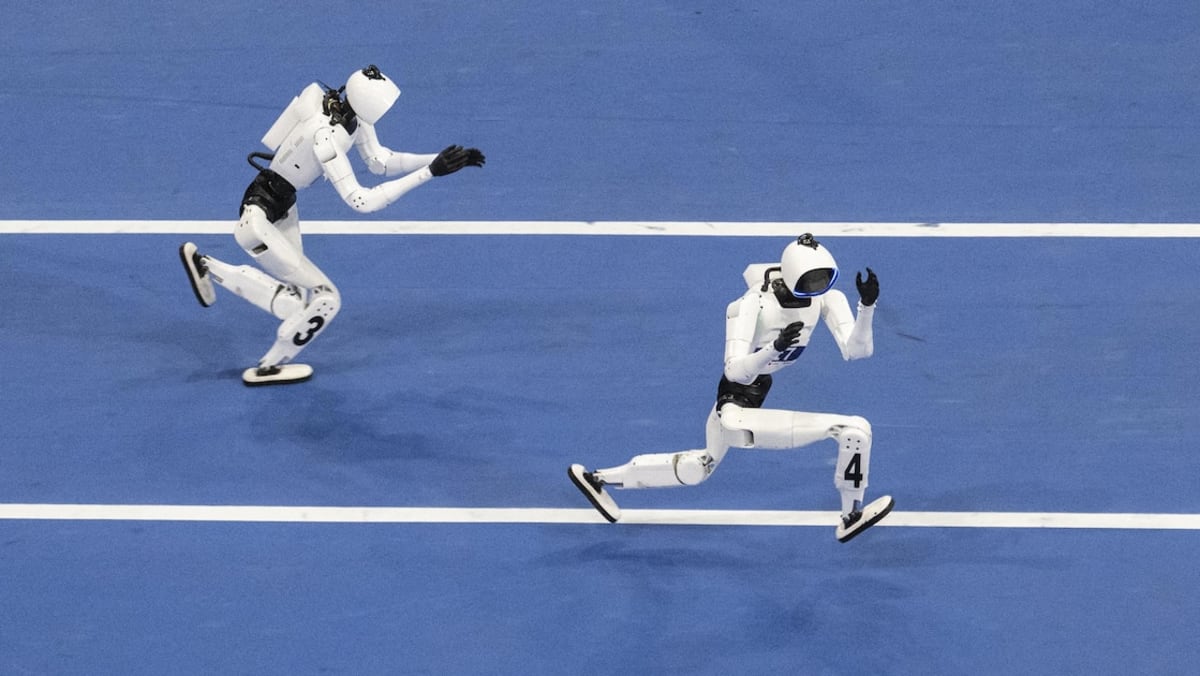
A humanoid robot just outran Usain Bolt's 100-meter sprint record, clocking in at 8.64 seconds compared to the Olympic champion's 9.58 seconds. Another robot jumped 3.4 meters straight up from a standing position, breaking a human record that stood since 1993.
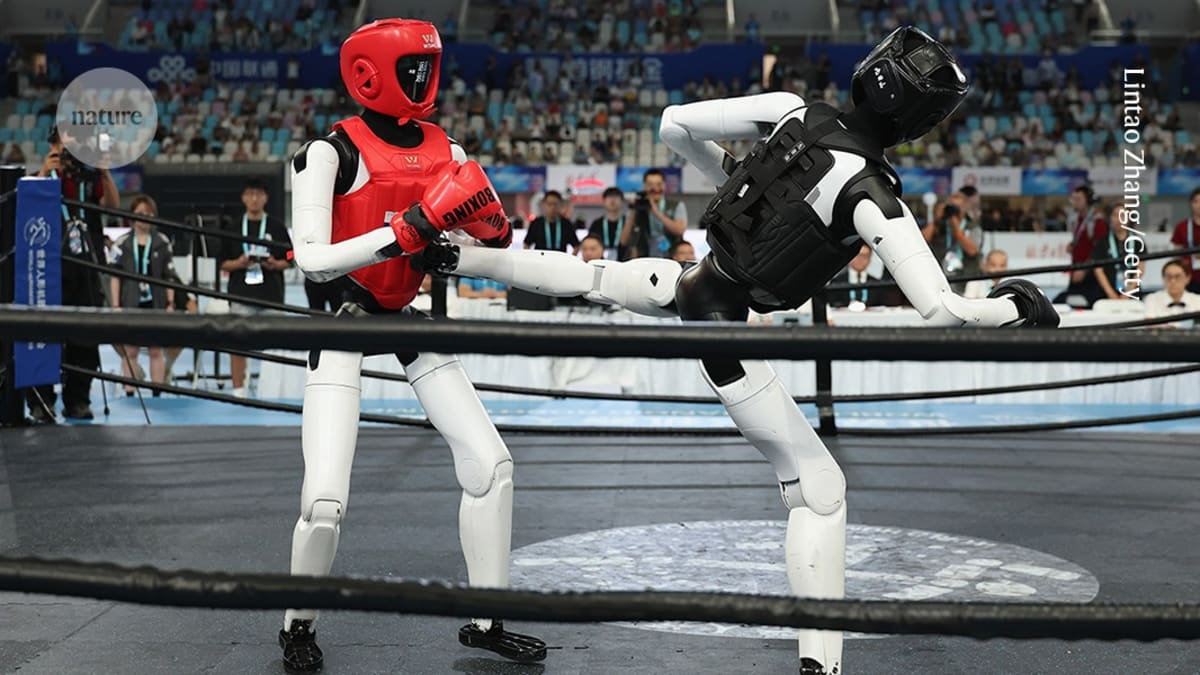
These jaw-dropping moments happened at the second annual World Humanoid Robot Games in Beijing, where over 600 teams gathered last August. The competition drew participants mainly from Chinese universities, research institutions, and robotics companies, all eager to showcase how far humanoid technology has advanced.
The real story isn't just about speed and jumping. This year's games expanded beyond pure athletics to include everyday tasks like shelving books, making beds, and hammering nails into corkboards.
That's where things got humbling for the machines. While robots excel at prescribed movements like backflips and sprints, they struggle with tasks humans find simple.
"If I ask you which is harder, folding laundry or doing a backflip, most people will say folding laundry is way easier," says Karen Liu, a computer scientist at Stanford University. "But for humanoids, doing a task that we do in our daily lives is actually way harder than a backflip."
The problem comes down to hands. Creating robotic grippers that can mimic human strength and coordination remains incredibly challenging, especially when robots need to use tools that require precise contact and force.
During the nail-hammering event, robots struggled even when human operators controlled them remotely using special gloves. The machines that completed practical tasks autonomously scored higher than those requiring human operation, pushing teams toward true artificial intelligence.
Why This Inspires
One robot from X-Humanoid Beijing won the 100-meter sprint in just 8.64 seconds this year. Last year, that same robot completed the race in 21.5 seconds, nearly three times slower.
That improvement in just 12 months shows how rapidly this technology is evolving. Cheng Hao, chief executive of Booster Robotics in Beijing, calls the games "an important real-world testing ground for embodied intelligence."
The emphasis on practical tasks matters because it pushes robotics beyond novelty. "Humanoids won't become a part of our everyday lives if they're always toys," says Aya Durbin, who directs development of the Atlas humanoid robot at Boston Dynamics. "They need to be used to solve actual problems and make the world a better place."
The gap between Olympic-level athletics and struggling with a hammer shows just how different robot intelligence is from human intelligence. But it also reveals where the next breakthroughs need to happen: in the small, precise movements that make up everyday life.
More Images




Based on reporting by Nature News
This story was written by BrightWire based on verified news reports.
Spread the positivity!
Share this good news with someone who needs it