NASA Launches Roman Telescope to Study Dark Energy Sunday
NASA's most powerful telescope yet is about to revolutionize our understanding of the universe. The Nancy Grace Roman Space Telescope launches Sunday, promising to capture stunning images 100 times wider than Hubble's view.
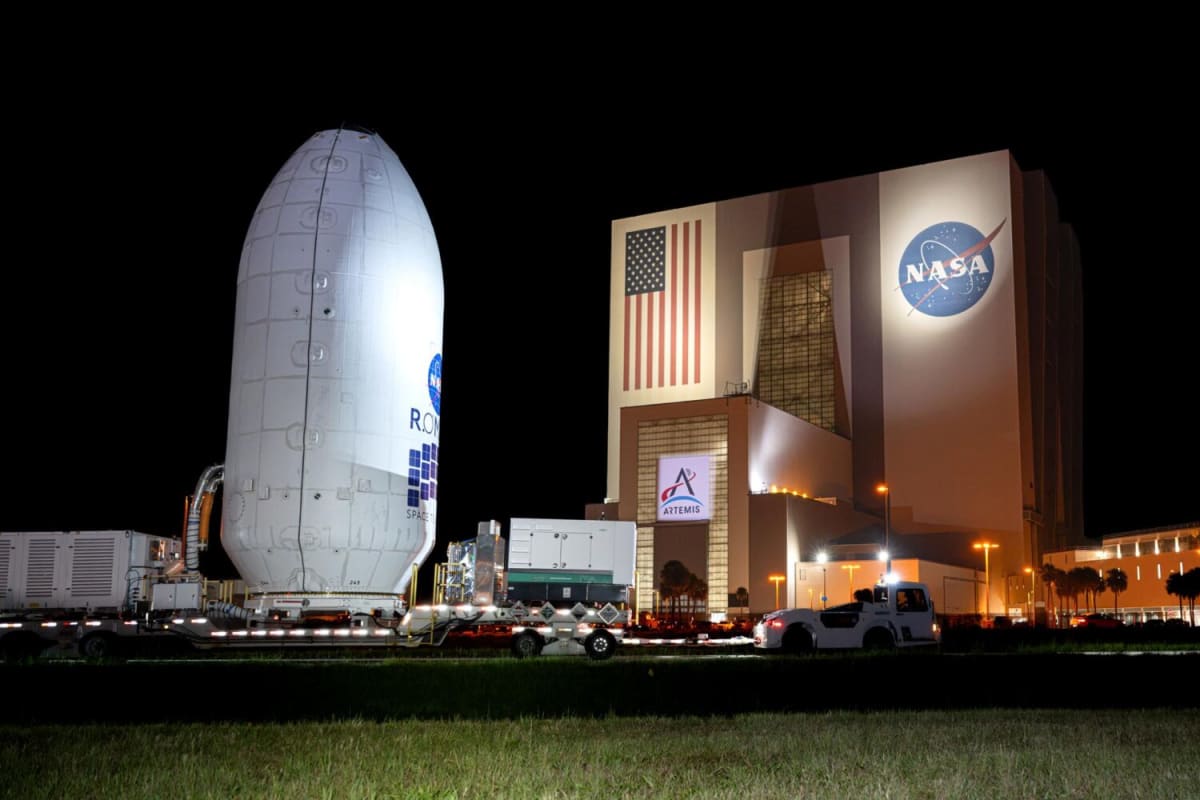
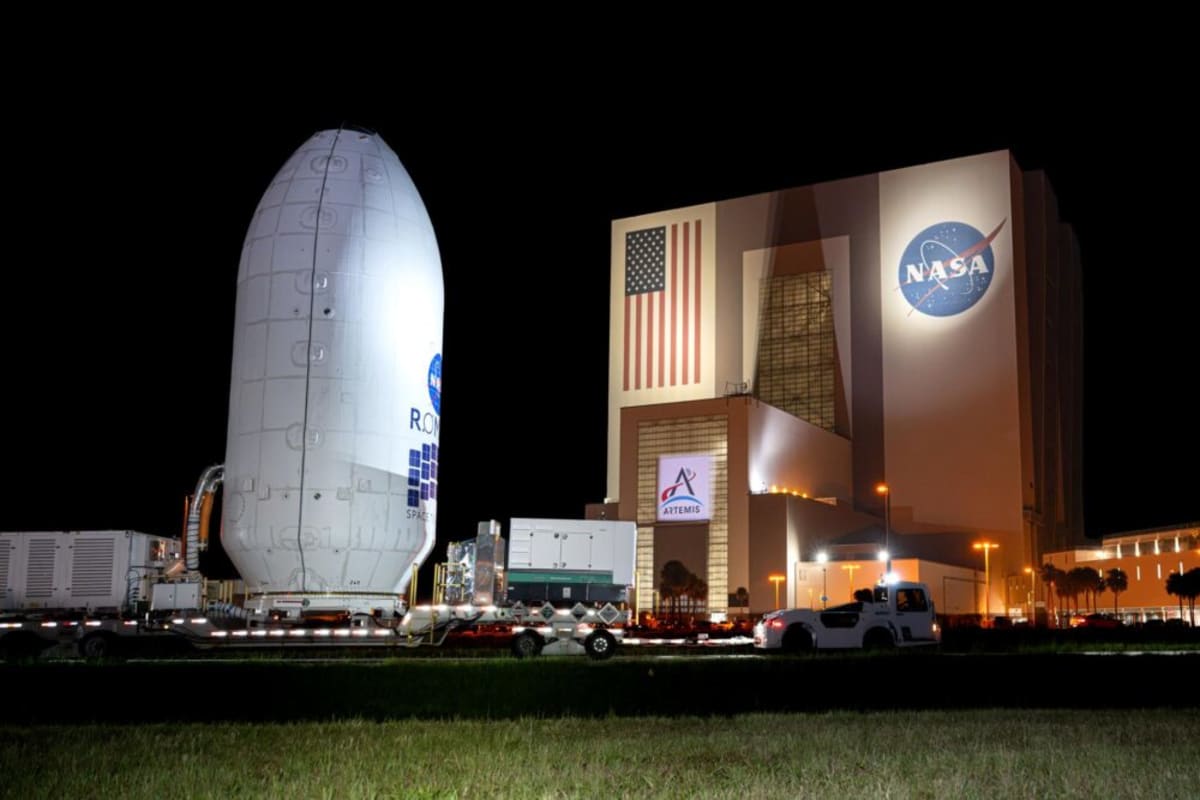
Get ready for a front-row seat to some of the universe's deepest mysteries. NASA launches its Nancy Grace Roman Space Telescope this Sunday at 6:26 a.m. Central Time, and scientists say it could completely rewrite what we know about how the cosmos works.
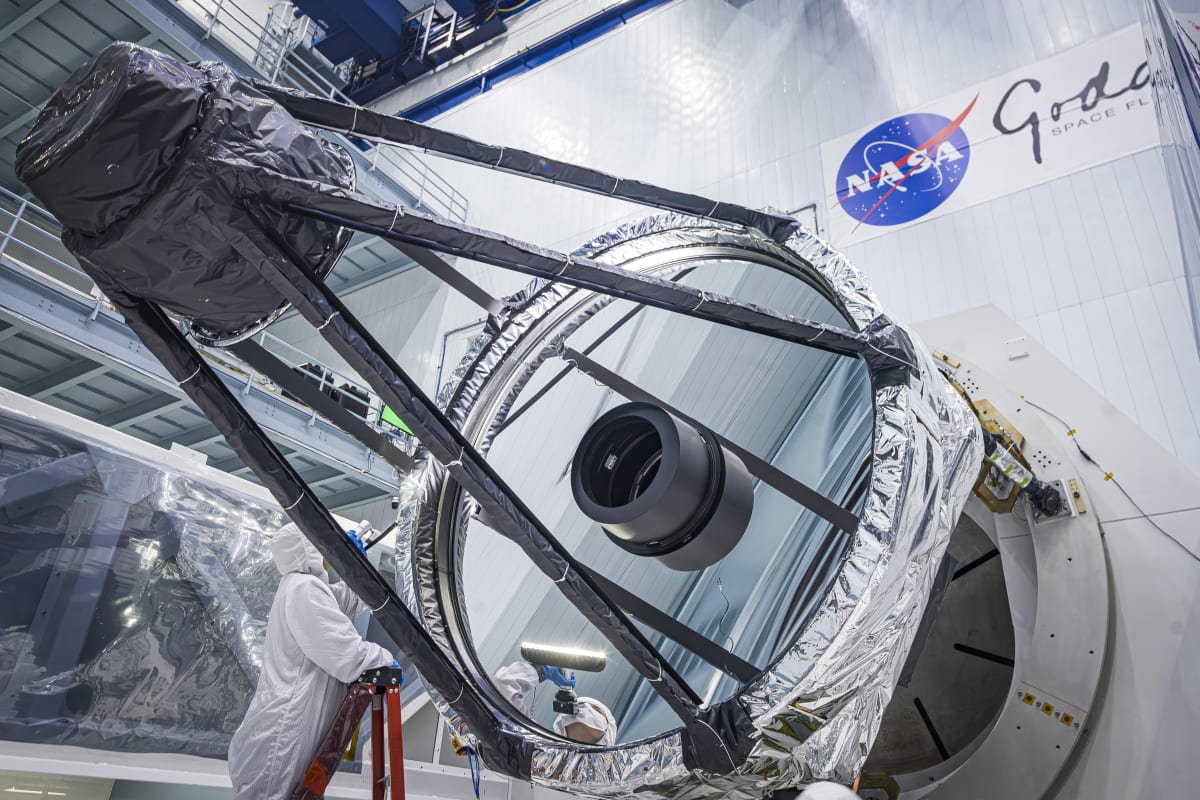
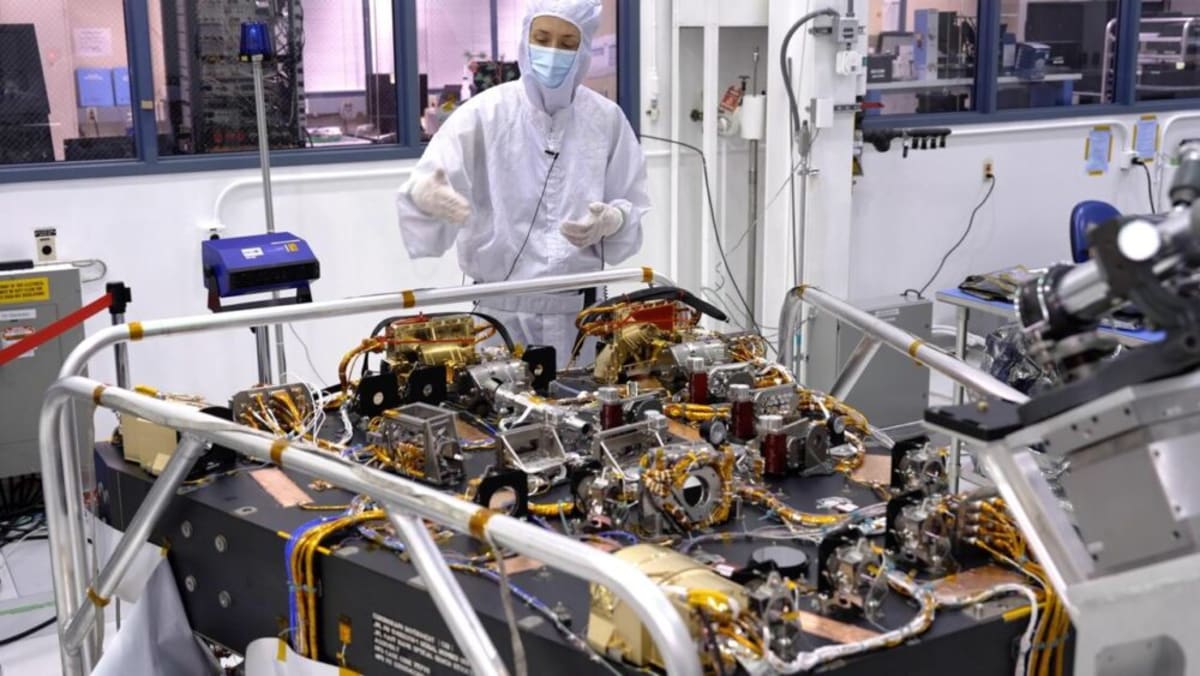
The Roman telescope packs serious power. Its 300-megapixel camera matches Hubble's resolution but captures a field of view 100 times larger, meaning it can photograph vast swaths of space in a single shot.
The telescope will spend at least five years orbiting the Sun about one million miles from Earth. From that position, it can gather data up to 1,000 times faster than Hubble while studying dark matter, dark energy, and planets beyond our solar system.
"One month of observations to survey our Milky Way galaxy would take about a century with Hubble," said scientist Julie McHenry. That speed means discoveries that might have taken generations could happen in just years.
The telescope's special coronagraph blocks glare from stars, letting scientists photograph objects near them that were previously invisible. Every day, Roman will beam 1.4 terabytes of data to stations in New Mexico, Australia, and Japan.
NASA expects the first official images by early 2027. The telescope works alongside the James Webb Space Telescope like a camera with both wide-angle and zoom lenses, each revealing different aspects of space.
Why This Inspires
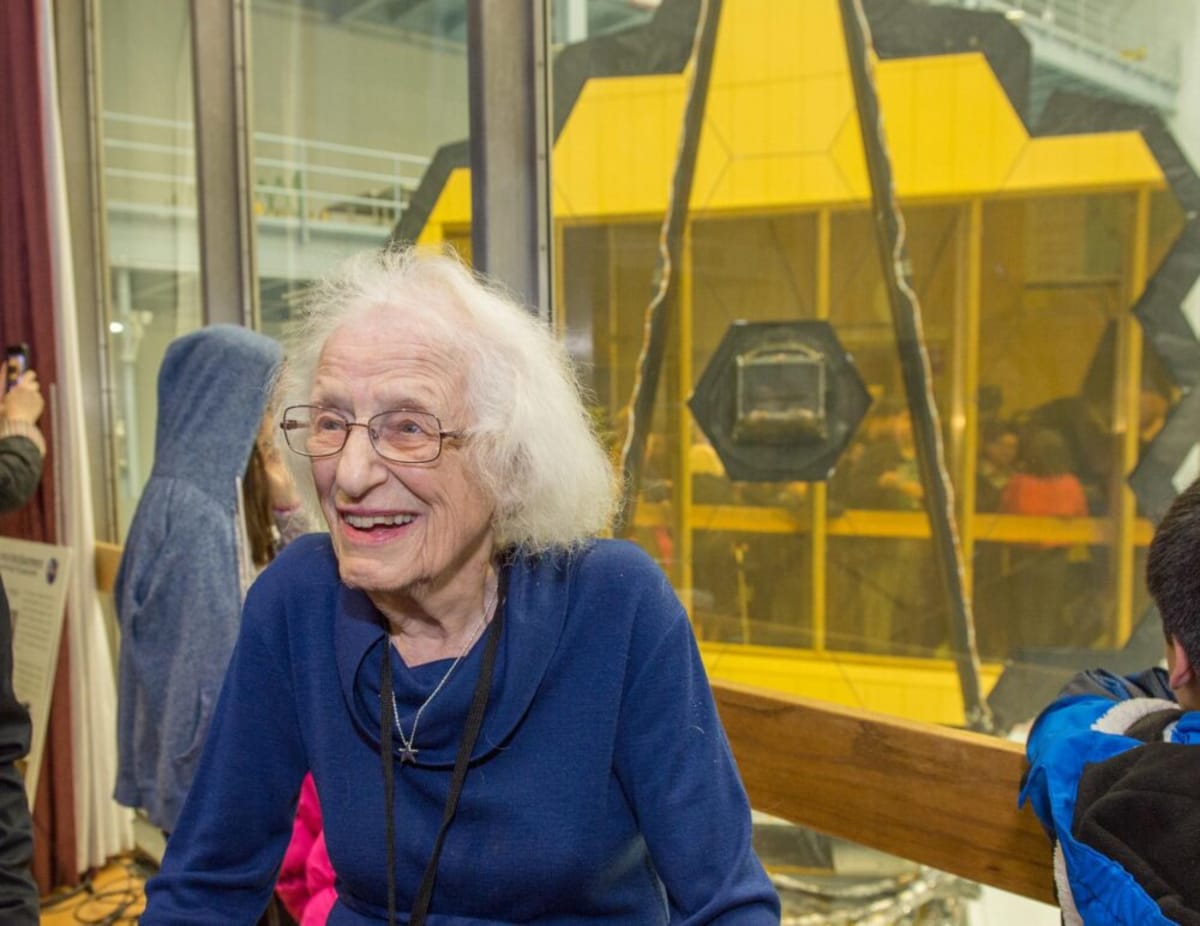
The telescope honors Nancy Grace Roman, NASA's first female executive and the woman who fought to make Hubble a reality. When asked what she thought was Hubble's most interesting discovery, she said dark energy.
Now, three and a half decades after Hubble launched, a telescope bearing her name will study exactly that. Roman, who worked at NASA from 1959 to 1979, believed that getting telescopes above Earth's atmosphere would transform astronomy.
Scientists like McHenry think Roman might prove our current understanding of the universe is wrong. Rather than confirming existing theories, the telescope will likely send us on a new path to discovering how the cosmos really works.
The launch arrives nine months ahead of schedule, meaning humanity's next giant leap in understanding our place in the universe comes sooner than anyone expected.
More Images
Based on reporting by Google: James Webb telescope
This story was written by BrightWire based on verified news reports.
Spread the positivity!
Share this good news with someone who needs it