NASA Telescope to Photograph Hidden Planets for First Time
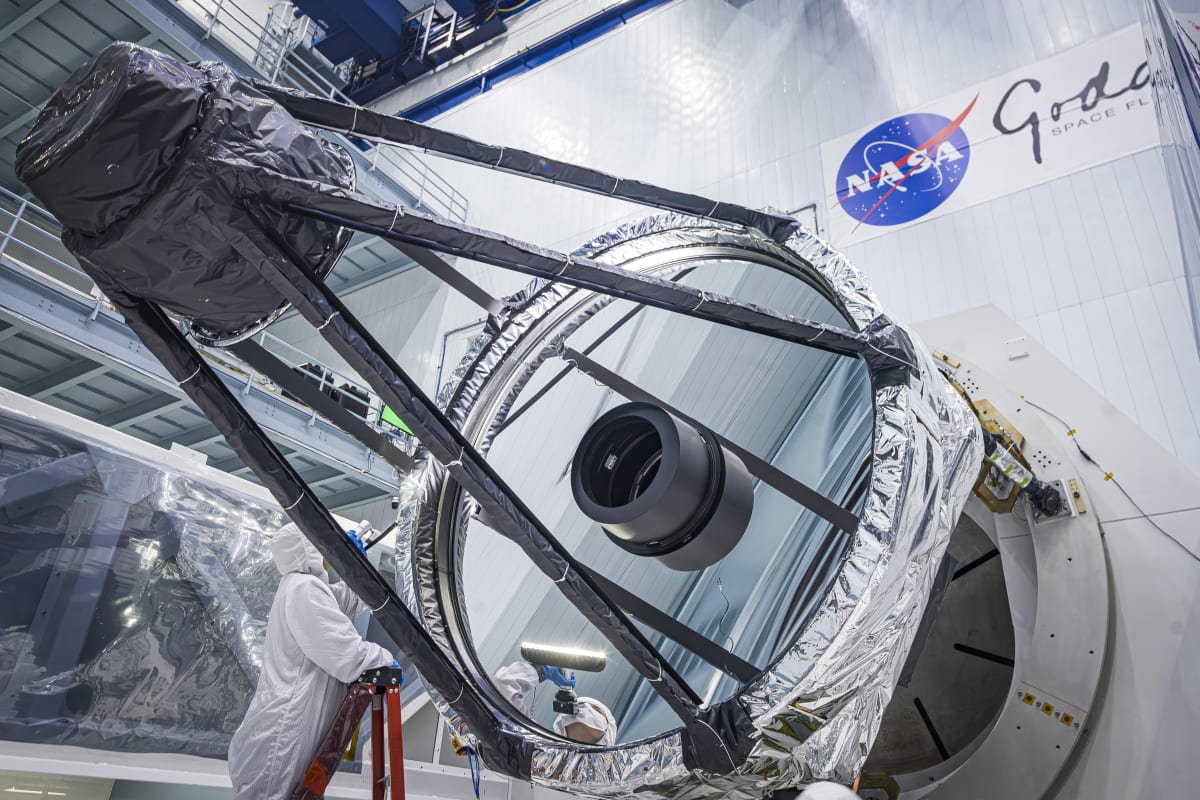
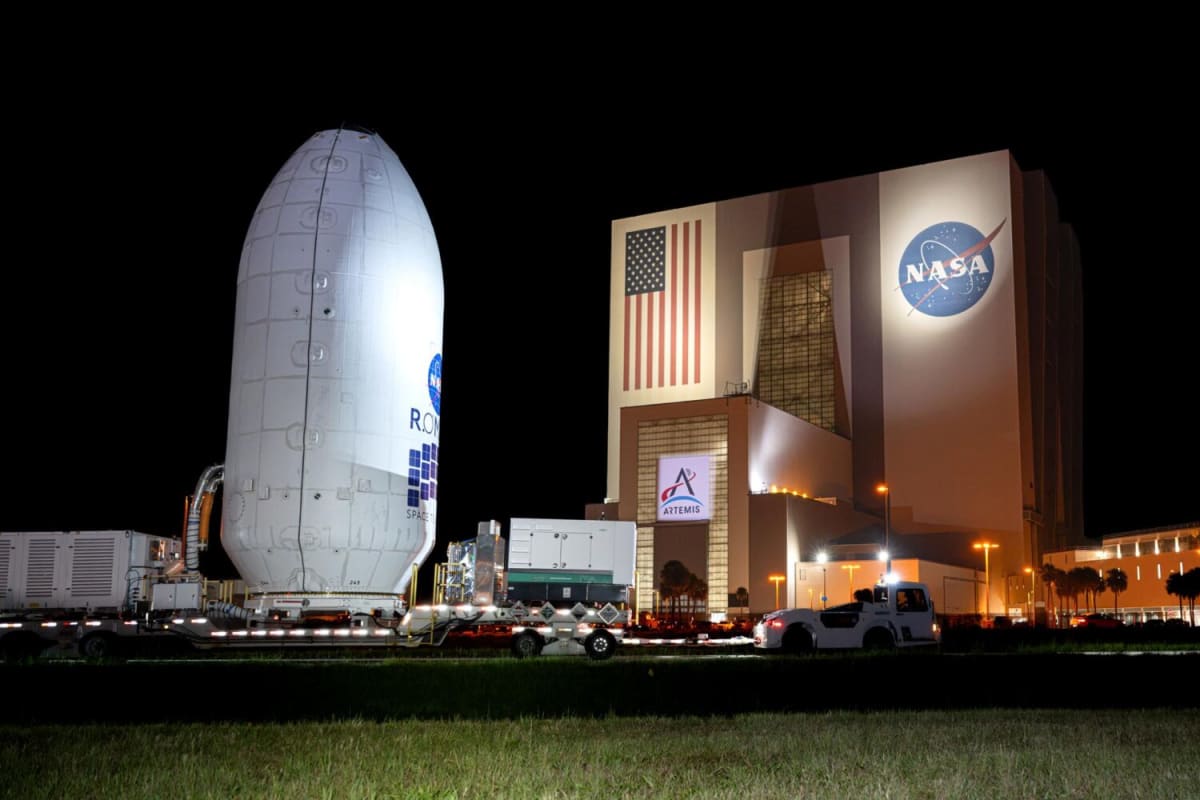
NASA's new Roman Space Telescope will attempt something never done before: capture actual photographs of distant planets in visible light. Launch is set for this summer, with the first planet portraits expected by early next year.
For the first time ever, we're about to see what distant planets actually look like in visible light, not just detect them as blips in data.
NASA's Nancy Grace Roman Space Telescope launches no earlier than August 30 from Florida, carrying technology that could transform how we search for life beyond Earth. The observatory will position itself one million miles from our planet, in the same cosmic neighborhood as the James Webb Space Telescope.
While the telescope's main mission will discover around 100,000 new planets using traditional detection methods, its experimental coronagraph instrument aims for something more ambitious. This state-of-the-art system uses mirrors, masks, and sensors to block out a star's blinding glare, revealing the faint light bouncing off planets that orbit nearby.
Cornell University professor Dmitry Savransky has spent years helping determine which planets to photograph first. One likely target is Epsilon Eridani b, a Jupiter-like planet just 10 light years away that scientists have only detected indirectly until now.
"We will see this light that was actually bounced off of an actual planet, decades or centuries ago, and we will get to perceive it," Savransky said. "That to me is incredibly exciting."
Don't expect stunning space vistas like Hubble's greatest hits. These planet portraits will look like simple dots, pixels against the darkness. But embedded in those dots will be crucial information about planetary atmospheres, the key to eventually determining if distant worlds could support life.
Why This Inspires
Ground-based telescopes can already photograph certain types of planets, but only very young, hot ones viewed in infrared light. Roman will reveal older, colder planets orbiting closer to their stars, all in the visible wavelengths where important biosignatures appear.
The mission represents a critical stepping stone. Scientists need to master photographing large Jupiter-like planets before they can attempt the same feat with Earth-sized worlds where life might actually exist. Every lesson learned from Roman will inform the design of future observatories like the proposed Habitable Worlds Observatory.
"We'll need many lines of evidence before we can say a planet out there has life as we know it, but we need to start building up the toolkit that will eventually allow us to make those conclusions," Savransky explained.
Three doctoral students who helped plan the observations will join Savransky at Kennedy Space Center for the launch, witnessing the start of a mission years in the making.
The technology demonstration carries higher risks than typical NASA missions because of limited testing opportunities, but the potential payoff makes it worthwhile. If successful, Roman won't just expand our catalog of known planets; it will give us our first real glimpse of worlds we've only imagined until now.
Based on reporting by Google: James Webb telescope
This story was written by BrightWire based on verified news reports.
Spread the positivity!
Share this good news with someone who needs it