Search

Find uplifting stories about heroes, innovations, and solutions

28 results for "exoplanets"

Four Planets Challenge How We Think Worlds Form
Innovation6d ago

Four Planets Challenge How We Think Worlds Form

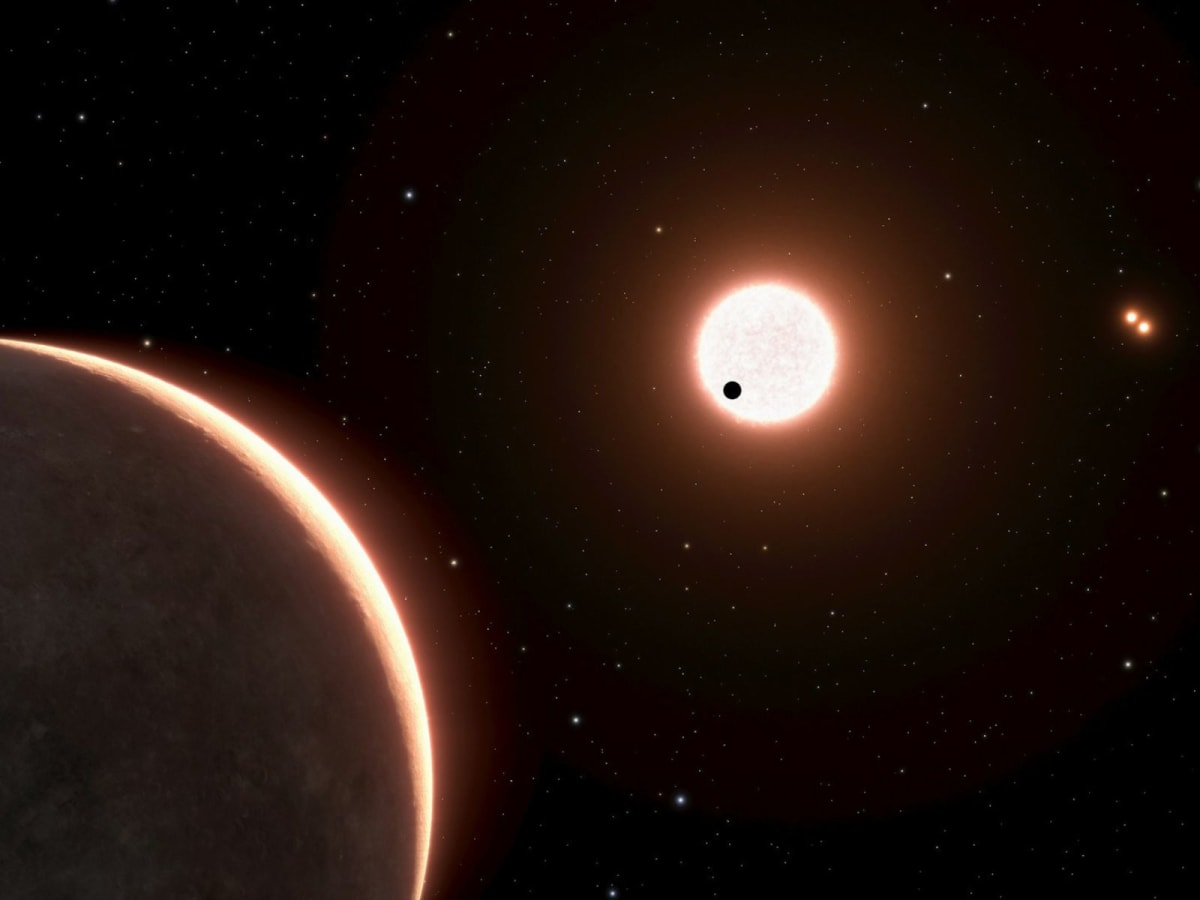
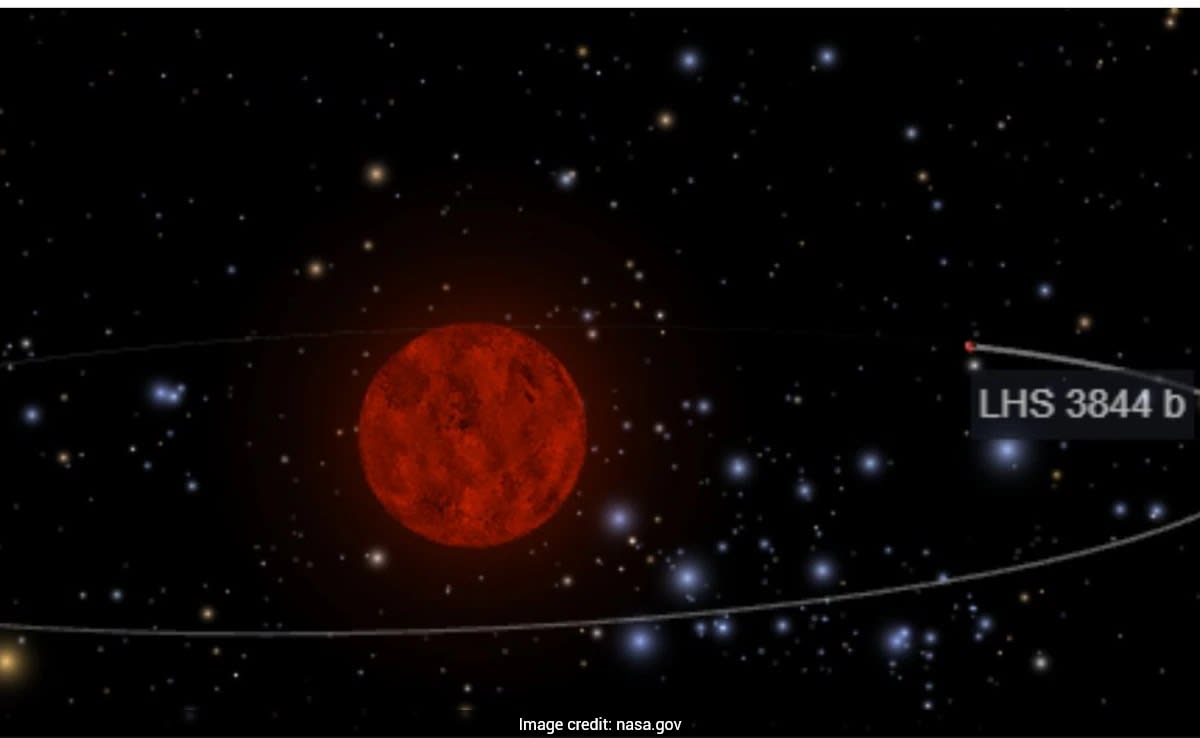
Astronomers discovered a puzzling solar system 116 light-years away where a rocky planet orbits farthest from its star, defying expectations and offering fresh clues about how planets come to be. This rare finding could rewrite what we know about planetary birth.

Sky & Telescope3 min read
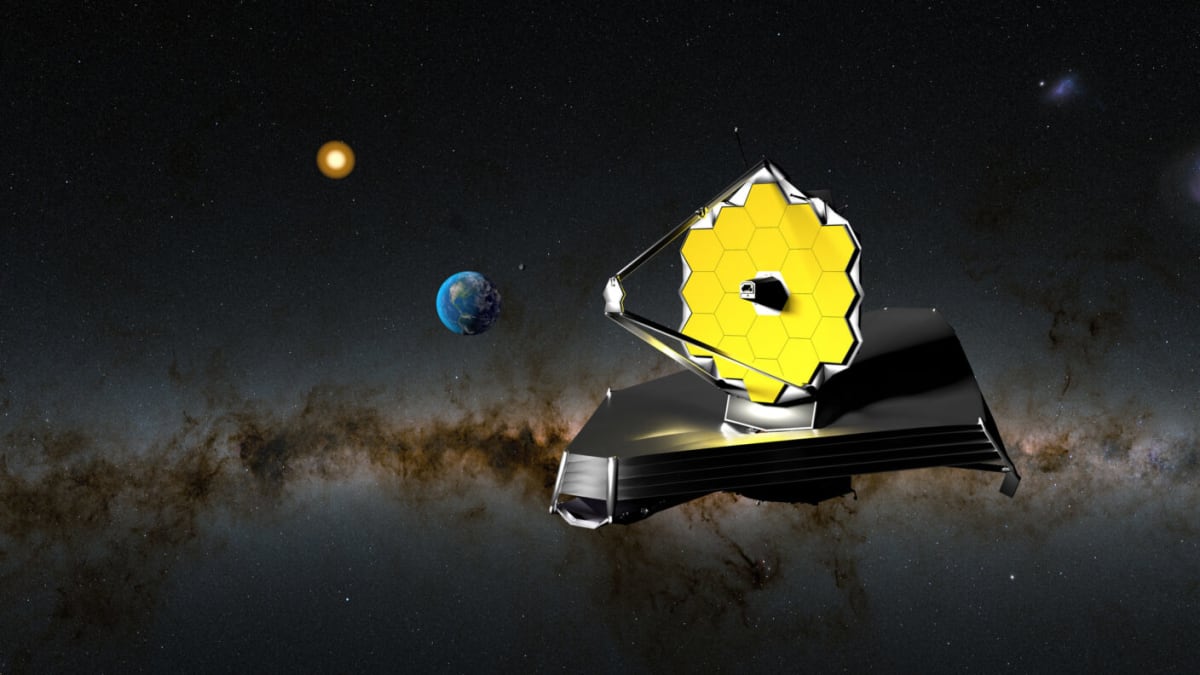
NASA's Roman Space Telescope Nears 2026 Launch
InnovationFeb 18

NASA's Roman Space Telescope Nears 2026 Launch

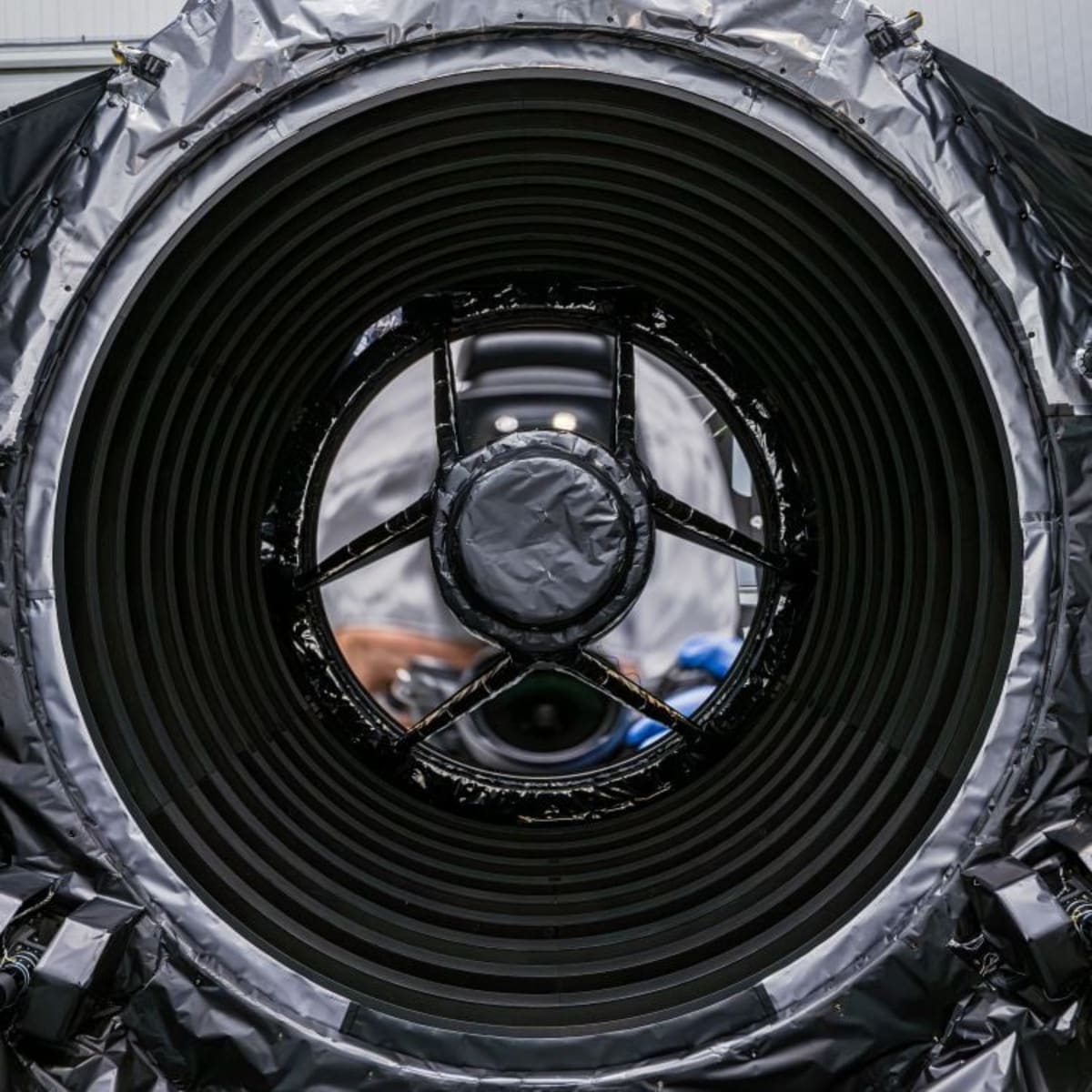
NASA's next great space observatory has finished assembly and is heading toward a late 2026 launch. The Nancy Grace Roman Space Telescope will scan the universe at an unprecedented scale, hunting for thousands of new planets and unlocking mysteries about dark energy.

Google: James Webb telescope3 min read
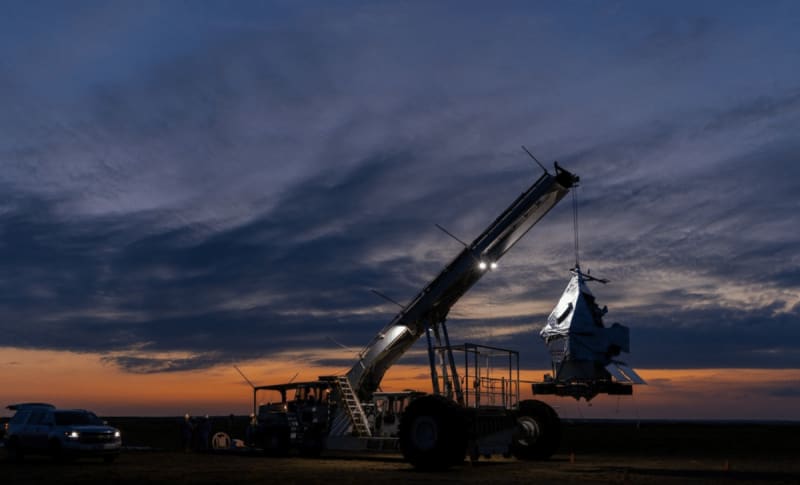
Balloon Telescope Could Map Exoplanet Weather for Days
InnovationFeb 17

Balloon Telescope Could Map Exoplanet Weather for Days

Scientists launched a telescope on a balloon that floats 25 miles above Earth to study distant planets in ways even the James Webb telescope can't. The mission could double our understanding of alien atmospheres while costing a fraction of traditional space telescopes.

Google: James Webb telescope2 min read
Rocky Planet 116 Light-Years Away Rewrites Formation Rules
InnovationFeb 14

Rocky Planet 116 Light-Years Away Rewrites Formation Rules

Scientists discovered a solar system that flips our understanding of how planets form, with a rocky planet orbiting beyond gas giants in a pattern never seen before. The finding could reshape what we know about planetary birth around the universe's most common stars.

Google News - Science2 min read
Webb Telescope Discovers Sulfur Around Four Distant Planets
InnovationFeb 13

Webb Telescope Discovers Sulfur Around Four Distant Planets

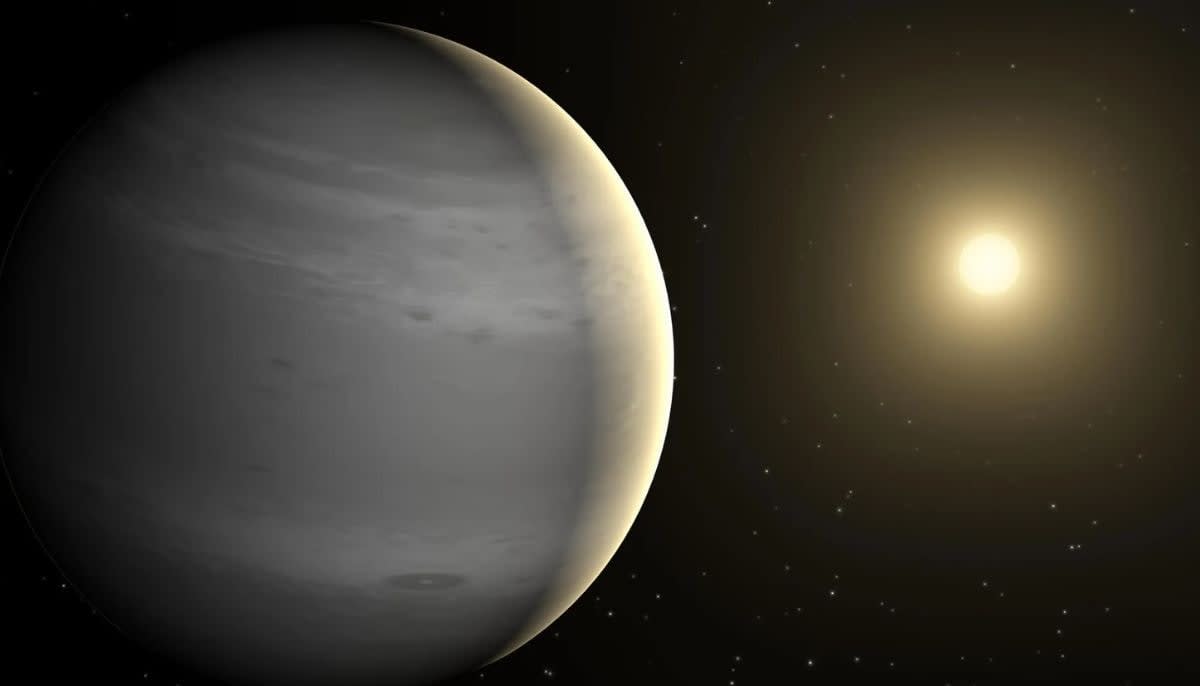
Scientists using the James Webb Space Telescope found hydrogen sulfide around four gas giant planets 133 light-years away, solving mysteries about how massive planets form. The breakthrough technique will help astronomers search for life on distant worlds.

Google: James Webb telescope2 min read
Scientists Find 'Inside Out' Planetary System
InnovationFeb 13

Scientists Find 'Inside Out' Planetary System

Astronomers discovered four planets orbiting a small star in a pattern never seen before: rocky, gaseous, gaseous, then rocky again. The find challenges everything scientists thought they knew about how planets form around stars.

Space.com3 min read
Inside-Out Planet System Rewrites Formation Rulebook
Planet WinsFeb 13

Inside-Out Planet System Rewrites Formation Rulebook

Astronomers discovered a rare planetary system that formed backward, with rocky planets at the edge instead of the center. The find shows the universe creates worlds in more diverse ways than we ever imagined.

New Scientist3 min read
Scientists Find 'Backwards' Solar System 116 Light-Years Away
InnovationFeb 13

Scientists Find 'Backwards' Solar System 116 Light-Years Away

Astronomers discovered a solar system that breaks all the rules of planet formation, with rocky planets sandwiching gas giants in a pattern never seen before. The finding could rewrite our understanding of how planets form around the most common stars in the universe.

Google News - Science3 min read
Earth Hit Chemical Jackpot That Makes Life Possible
Planet WinsFeb 11

Earth Hit Chemical Jackpot That Makes Life Possible

Scientists discovered Earth formed under incredibly precise chemical conditions that allowed it to retain the exact elements needed for life. Most planets miss this narrow sweet spot, making our world a fortunate cosmic exception.

Google News - Science2 min read
Earth Hit Rare Chemical Jackpot That Allows Life to Exist
Planet WinsFeb 11

Earth Hit Rare Chemical Jackpot That Allows Life to Exist

Scientists discovered Earth formed under incredibly precise chemical conditions that let it keep phosphorus and nitrogen, two elements essential for life. Most planets miss this narrow sweet spot, making our world a fortunate exception in the universe.

Space.com3 min read
Earth Twin Found 146 Light-Years Away by Amateur Stargazers
Planet WinsFeb 1

Earth Twin Found 146 Light-Years Away by Amateur Stargazers

Volunteer citizen scientists discovered a planet nearly identical to Earth in size and orbit, circling a sun-like star just 146 light-years away. While currently frozen, scientists say the right atmosphere could make it warm enough for liquid water.

Euronews3 min read
Scientists Find Missing Link in How Planets Form
InnovationFeb 1

Scientists Find Missing Link in How Planets Form

Astronomers discovered four "baby" planets caught in the act of transforming into the galaxy's most common type of world. The breakthrough solves a mystery about how super-Earths and sub-Neptunes take shape.

Science Daily3 min read
Student Finds Earth-Like Planet in Old NASA Data
Community HeroesJan 31

Student Finds Earth-Like Planet in Old NASA Data

A PhD student discovered an Earth-sized planet in the habitable zone by manually searching old telescope data that algorithms missed. The find gives scientists a rare target to study with next-generation telescopes.

Google News - Science2 min read
Student Finds Earth-Like Planet NASA Algorithms Missed
InnovationJan 30

Student Finds Earth-Like Planet NASA Algorithms Missed

A citizen scientist discovered a potentially habitable planet by manually combing through old NASA data that automated searches overlooked. The find has astronomers eager to point their most powerful telescopes at this rare Earth-sized world.

Good News Network3 min read
NASA Confirms 6,000 Planets Beyond Our Solar System
Planet WinsJan 28

NASA Confirms 6,000 Planets Beyond Our Solar System

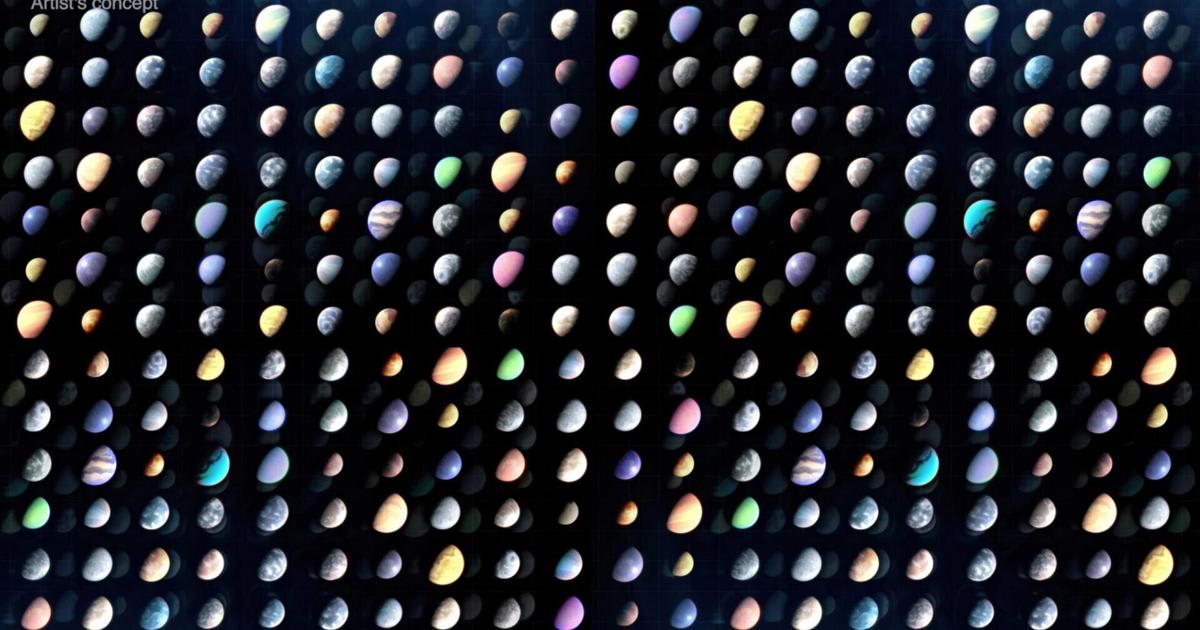
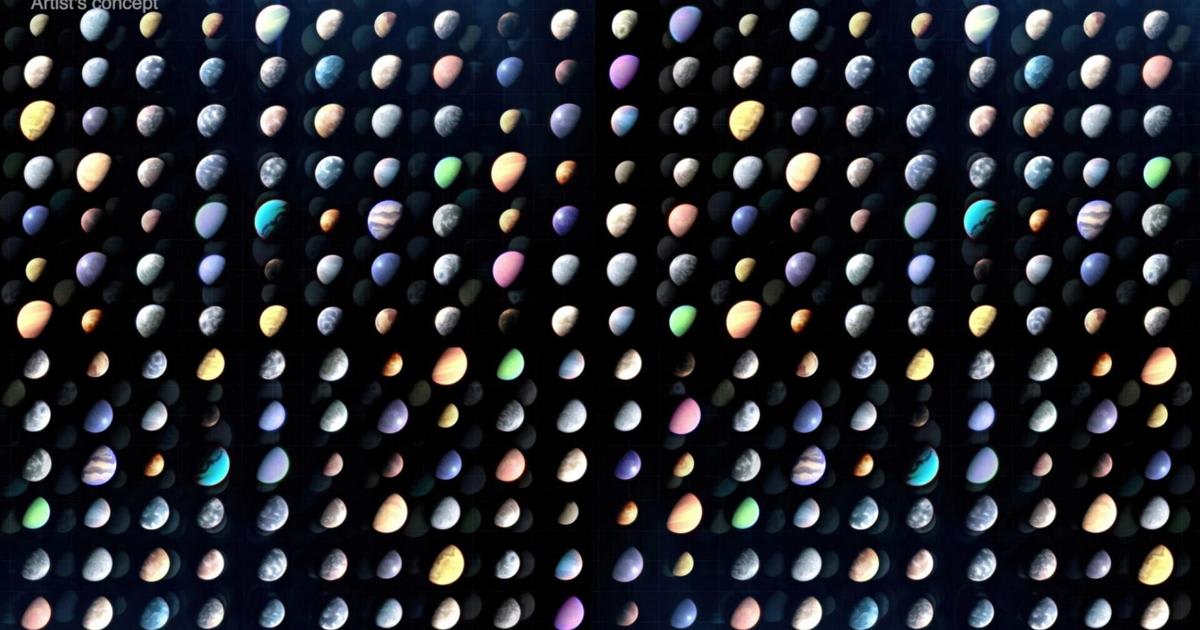
Astronomers have now confirmed more than 6,000 planets orbiting distant stars, a milestone that helps scientists estimate how common life-friendly worlds might be. NASA's upcoming telescope could find thousands more, especially Earth-like planets in habitable zones.

IEEE Spectrum3 min read
Telescope Reveals Chaotic 'Teen Years' of Young Planets
InnovationJan 28

Telescope Reveals Chaotic 'Teen Years' of Young Planets

Scientists using the world's largest radio telescope have captured the first detailed images of planetary systems going through their violent "teenage" phase, solving a mystery about how planets grow up. The discovery helps explain Earth's moon formation and fills a major gap in our understanding of how solar systems evolve. #

Space.com3 min read
Australian Team Finds Earth-Sized Planet 150 Light-Years Away
InnovationJan 28

Australian Team Finds Earth-Sized Planet 150 Light-Years Away

Australian astronomers have discovered a planet candidate nearly identical to Earth's size, orbiting a Sun-like star with a 50% chance of being habitable. The find brings scientists one step closer to finding Earth's twin after 30 years of searching.

ABC Australia2 min read
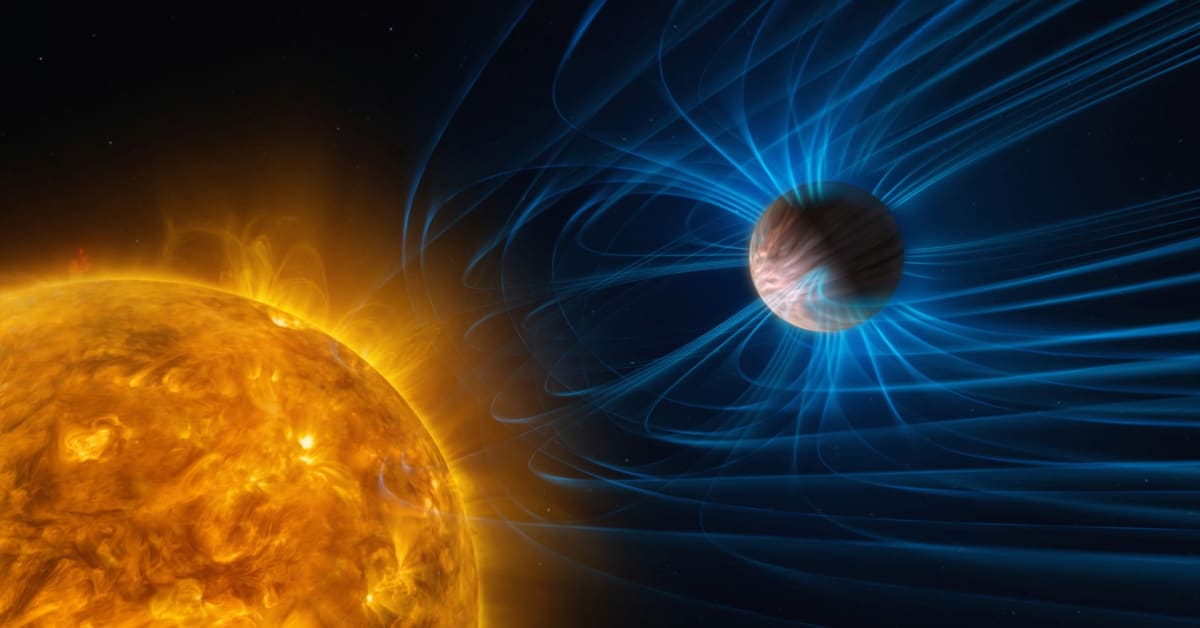
Super-Earths May Shield Life With Molten Rock Magnetism
Planet WinsJan 26

Super-Earths May Shield Life With Molten Rock Magnetism

Rocky planets up to six times Earth's size could generate powerful magnetic fields from layers of molten rock, not just their cores. This discovery suggests far more alien worlds might protect potential life from deadly cosmic radiation than scientists previously thought.

Space.com3 min read
NASA Telescope to Discover 1,000+ New Planets by 2031
VideosJan 26

NASA Telescope to Discover 1,000+ New Planets by 2031

NASA's Roman Space Telescope will peer into the heart of the Milky Way starting in 2026, discovering over 1,000 new planets and revealing whether Earth-like worlds are common. The mission will create the first complete census of planets across our galaxy.

Phys.org3 min read
NASA AI Finds 7,000 New Planet Candidates in Space Data
InnovationJan 25

NASA AI Finds 7,000 New Planet Candidates in Space Data

NASA's upgraded ExoMiner++ AI just identified 7,000 potential new planets hiding in telescope data, and the tool is now free for anyone to use. The breakthrough could help scientists discover worlds faster than ever before.

Google: NASA discovery3 min read

Showing 20 of 28