
NASA Finds Super-Earth With Year Shorter Than Your Commute
An exoplanet orbiting a nearby star completes its entire year in just 18 hours, making it one of the fastest-orbiting worlds ever discovered. Scientists have successfully analyzed its atmosphere, marking a major milestone in understanding planets beyond our solar system.
Scientists studying a rocky world called 55 Cancri e have discovered something wild: the planet whips around its star so fast that its entire year lasts just 18 hours.
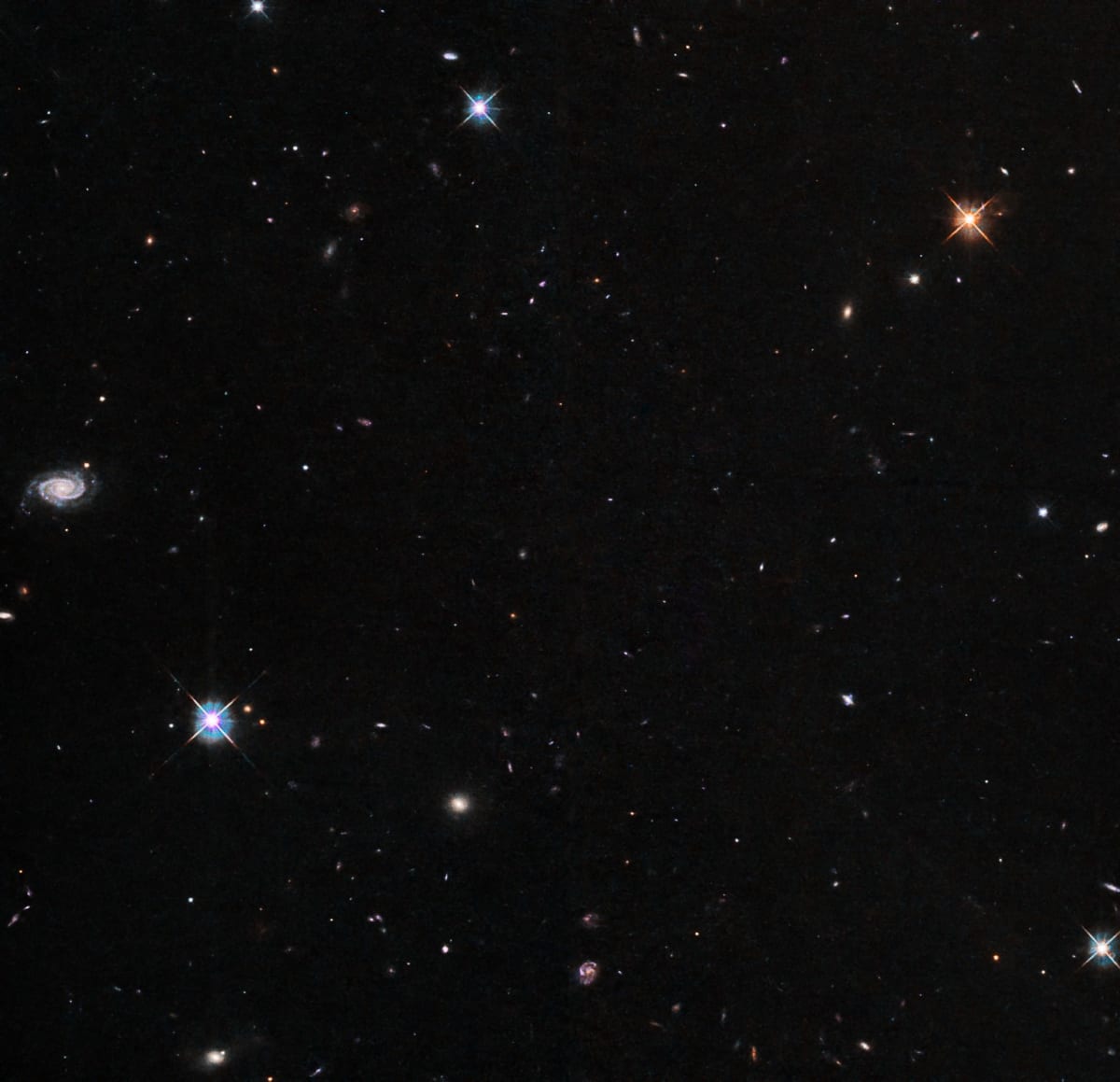
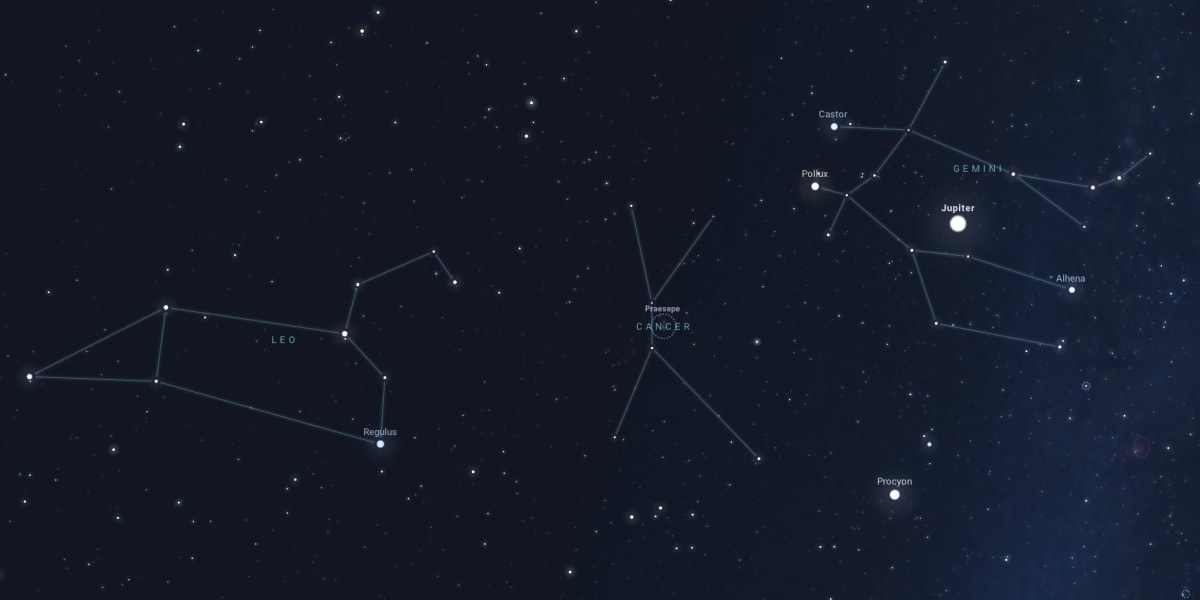
This super-Earth sits about 41 light-years away in the Cancer constellation. It's eight times more massive than Earth and races around its star faster than most people's daily commute.
What makes this discovery even more exciting is that 55 Cancri e (nicknamed Janssen after one of the first telescope makers) became the first exoplanet to have its atmosphere successfully analyzed. Both the Hubble Space Telescope and the retired Spitzer telescope confirmed the hot world is wrapped in an atmosphere of helium and hydrogen, with traces of hydrogen cyanide.
The planet was first spotted in 2004 using the "wobble method," which detects planets by measuring how their gravity makes their host stars wiggle slightly. Seven years later, astronomers used the transit method to confirm its incredibly short orbital period.
While Janssen's scorching-hot rock surface and toxic atmosphere won't support life, studying it teaches scientists how to find and analyze planets around other stars. Each new technique brings researchers closer to finding Earth-like worlds that might harbor life.
The super-Earth orbits one star in a binary system that's faintly visible from Earth under excellent dark sky conditions. The larger star hosts at least five planets, making it a rich laboratory for understanding how solar systems form and evolve.
Why This Inspires
Every planet we study beyond our solar system expands our understanding of what's possible in the universe. Twenty years ago, scientists weren't sure if planets around other stars were common. Now we've found thousands, each with unique characteristics that challenge our assumptions about how worlds form.
The fact that we can analyze the atmosphere of a planet 41 light-years away shows how far human ingenuity has come. These discoveries happen because teams of scientists, engineers, and dreamers work together to build telescopes, develop new detection methods, and ask bold questions about our place in the cosmos.
Finding planets is just the beginning of humanity's journey to understand our cosmic neighborhood.
More Images


Based on reporting by NASA
This story was written by BrightWire based on verified news reports.
Spread the positivity!
Share this good news with someone who needs it