Webb Telescope Finds Hidden Third Planet 63 Light-Years Away
NASA's James Webb Space Telescope just discovered a hidden gas giant in the Beta Pictoris system using a groundbreaking new method. For the first time, scientists detected an exoplanet by reading its atmospheric fingerprint instead of taking pictures.
Scientists just found a massive planet that's been hiding in plain sight for over a decade, and the way they spotted it could change how we hunt for worlds beyond our solar system.
NASA's James Webb Space Telescope uncovered Beta Pictoris d, a giant planet tucked away in a star system just 63 light-years from Earth. The Beta Pictoris system already had two known giant planets, but this third world stayed invisible until Webb's powerful instruments revealed its secret.
What makes this discovery special isn't just the new planet. It's the method scientists used to find it.
Instead of snapping photos, the team used Webb's Near-Infrared Spectrograph to detect chemical signatures in the planet's atmosphere. Even though the planet was buried in dust and drowned out by starlight, traces of methane, water vapor, and carbon monoxide gave it away. This marks the first time astronomers have directly detected an exoplanet through its atmospheric fingerprint alone.
Beta Pictoris d is a monster. The gas giant weighs at least twice as much as Jupiter, possibly four times heavier. It takes 91 years to complete one orbit around its young star, which at 20 million years old is practically a cosmic newborn compared to our 4.6-billion-year-old Sun.
The planet is incredibly dim, about 100 times fainter than its planetary siblings, which explains why everyone missed it for so long. In fact, Beta Pictoris d actually appeared in astronomical images for over a decade before anyone realized what they were looking at.
The Ripple Effect
This breakthrough opens doors that were previously locked shut. Of the 6,000-plus confirmed exoplanets we know about, fewer than 100 have been directly imaged because starlight usually washes out their faint glow.
Now astronomers have a new tool for spotting hidden worlds in even the messiest, brightest systems. This could kick off a fresh wave of planet discoveries in our cosmic neighborhood.
The finding also helps scientists understand how gas giants form and move through their systems. Beta Pictoris d might even explain the unusual structure of the debris disk surrounding its star, where asteroids and comets still swirl in the system's early stages of development.
Researchers plan to revisit Beta Pictoris d with Webb multiple times to study its orbit, chemistry, and formation. Because the system is so young, it's like having a time machine to watch how solar systems take shape from scratch.
The universe just got a little less mysterious, and a whole lot more accessible.
More Images
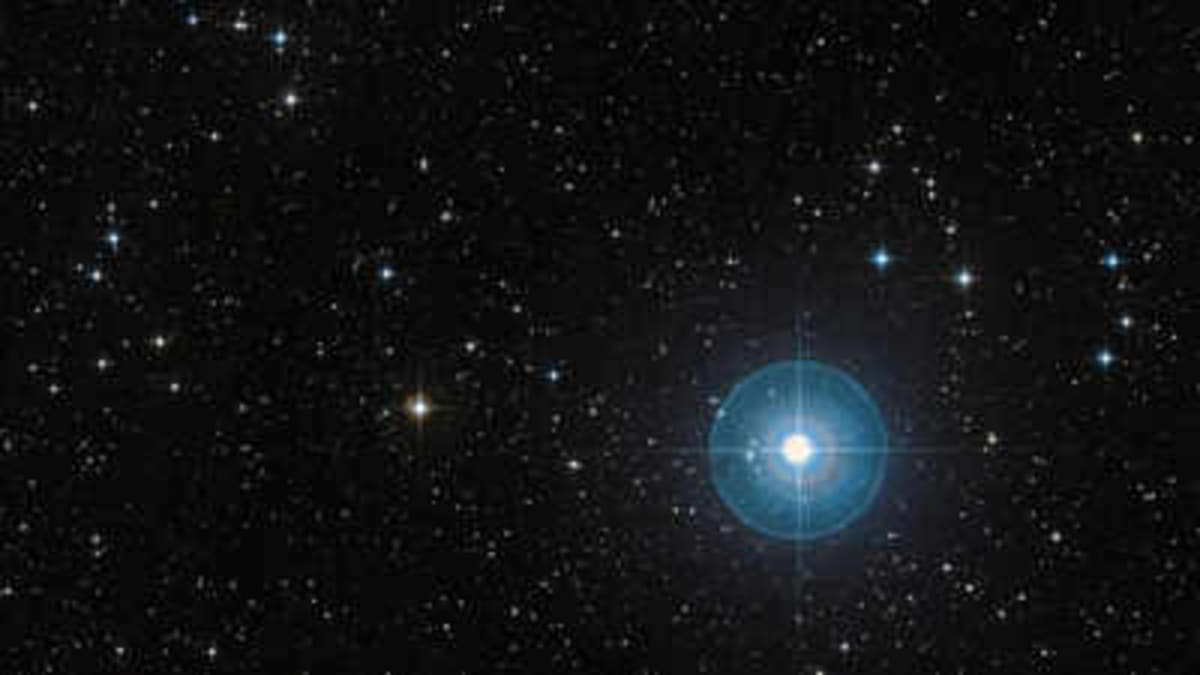



Based on reporting by Google: NASA discovery
This story was written by BrightWire based on verified news reports.
Spread the positivity!
Share this good news with someone who needs it