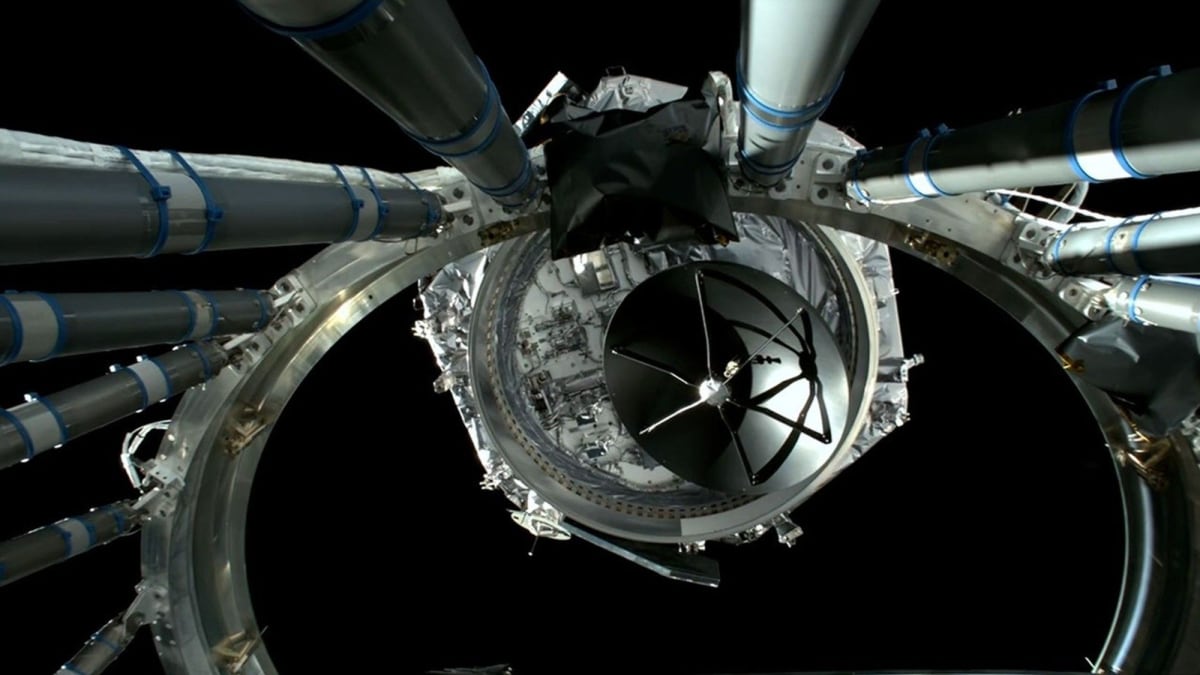
NASA's Roman Telescope Launches 9 Months Early in August
NASA's Nancy Grace Roman Space Telescope is launching in August 2026, nine months ahead of schedule, ready to capture cosmic images 100 times wider than Hubble's view. The mission will hunt for planets around distant stars and unlock mysteries about invisible forces shaping our universe.
NASA just announced that its most ambitious space telescope in years is launching nine months early, bringing us closer to answering some of the universe's biggest questions.
The Nancy Grace Roman Space Telescope will lift off from Kennedy Space Center in Florida on August 30, 2026. Named after NASA's first chief astronomer, this observatory promises to revolutionize how we see the cosmos with a field of view at least 100 times larger than the Hubble Space Telescope.
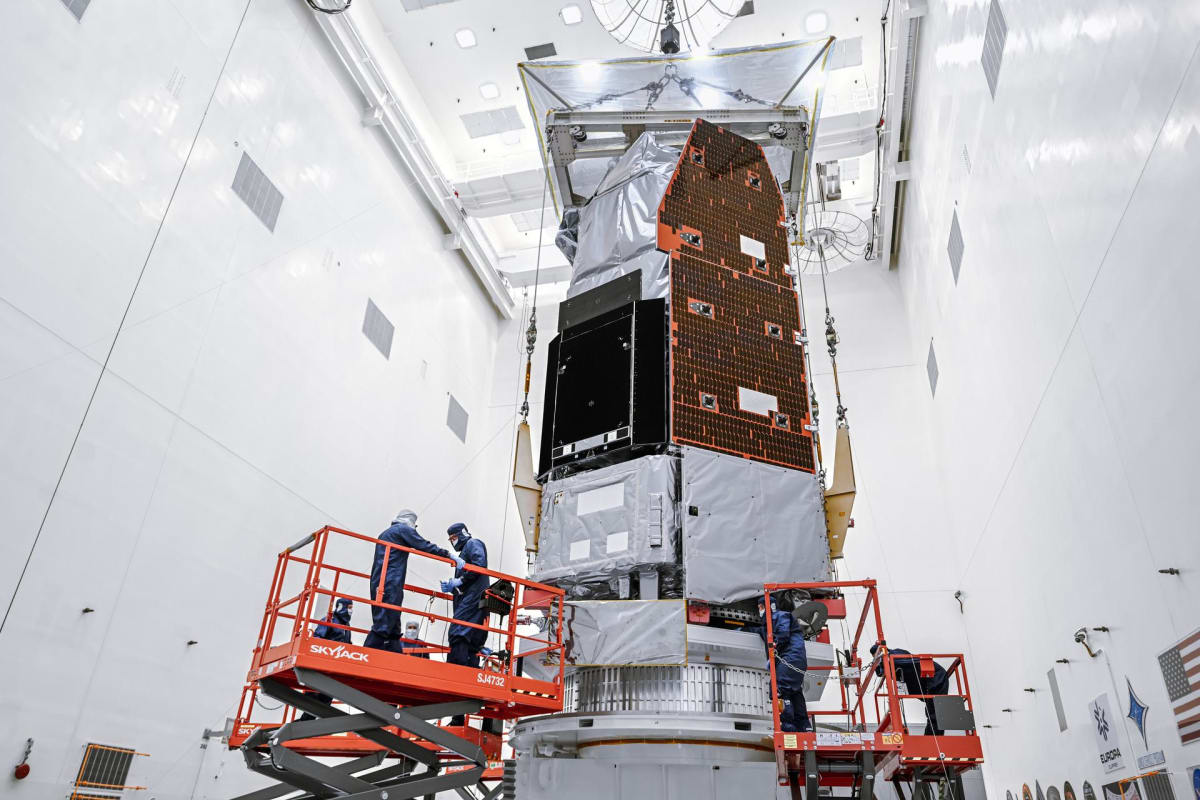
Engineers at Kennedy Space Center recently hoisted the telescope onto a specialized work stand using cranes, marking a major milestone in the mission's final preparations. NASA will host a media briefing on July 29 to share updates on the launch and what scientists expect to discover.
The telescope's panoramic vision will capture deep, sweeping explorations of space that have never been possible before. Unlike Hubble, which focuses on narrow sections of sky in exquisite detail, Roman will scan vast areas at once, revealing troves of celestial objects in single images.
One of the mission's most exciting features is its planet-hunting technology. Roman will test the most advanced direct imaging system ever flown in space, designed to photograph planets orbiting nearby stars. This capability represents a crucial step in NASA's search for life beyond Earth.
The telescope will also investigate cosmic mysteries we can't directly see, including dark matter and dark energy. These invisible forces make up most of the universe but remain poorly understood. Roman's wide-angle surveys should provide fresh clues about how they shape galaxies and drive cosmic expansion.
The Ripple Effect
The early launch timeline reflects years of international collaboration paying off ahead of expectations. Teams from NASA's Goddard Space Flight Center, the Jet Propulsion Laboratory, and partners from the European Space Agency, Japan's JAXA, France's CNES, and Germany's Max Planck Institute have worked together to make this mission possible.
The telescope's success could reshape entire fields of astronomy. By generating massive cosmic surveys, Roman will create datasets that scientists will study for decades. Graduate students not yet in high school will someday write dissertations based on discoveries this telescope makes.
The technology demonstrations aboard Roman will also pave the way for future missions. If the direct planet imaging succeeds, it could inform the design of even more powerful observatories capable of studying the atmospheres of Earth-like worlds light-years away.
After years of development and the challenges of building cutting-edge technology during a global pandemic, the team's ability to launch ahead of schedule shows what focused collaboration can achieve. The universe is about to come into focus like never before.
More Images
Based on reporting by NASA
This story was written by BrightWire based on verified news reports.
Spread the positivity!
Share this good news with someone who needs it