James Webb Telescope Reveals Rocky Exoplanet's Ancient Surface
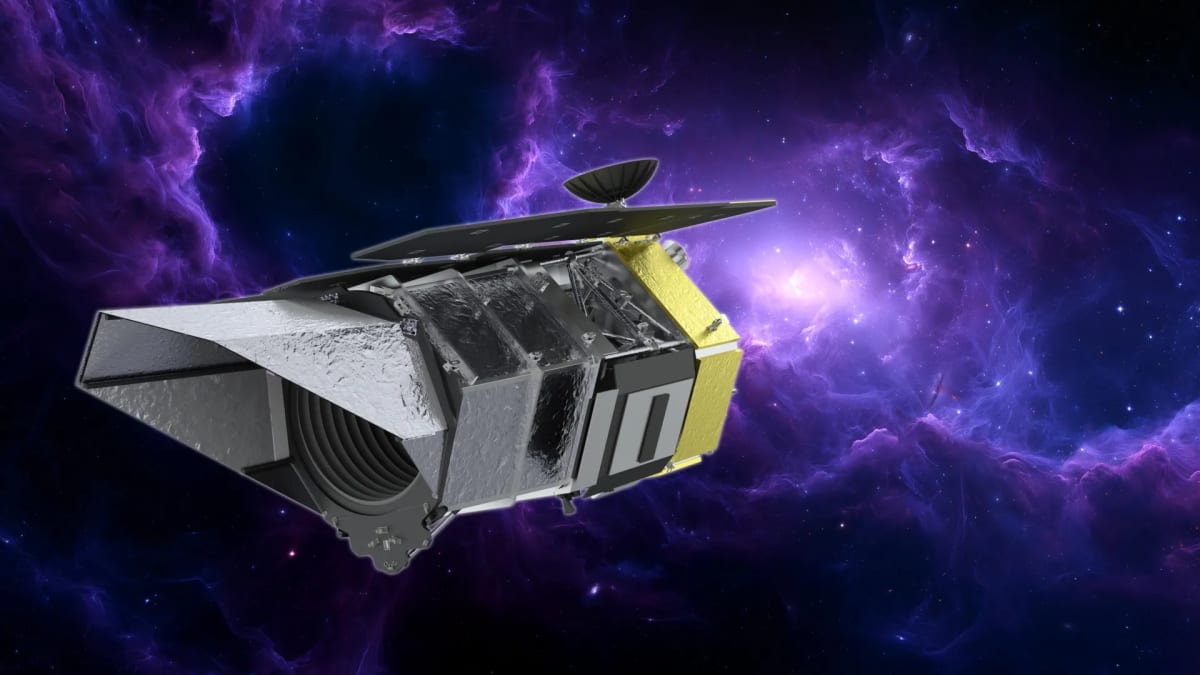
NASA's James Webb Space Telescope just gave scientists their clearest view ever of an exoplanet's surface, marking a groundbreaking moment in space exploration. The powerful telescope is opening new windows into distant worlds we could only dream about studying before.
Scientists just achieved something remarkable: they can now see the surface of a planet beyond our solar system in unprecedented detail.
NASA's James Webb Space Telescope captured stunning data from an exoplanet called Kua'kua, located 49 light-years from Earth. The observations revealed a rocky world with a dark, ancient surface likely covered in material from billions of years of cosmic bombardment.
While Kua'kua itself is inhospitable (scorching hot on one side at 1,340°Fahrenheit and frozen on the other), the real story is what this breakthrough means for science. For the first time, astronomers can directly study the geology and surface composition of planets orbiting distant stars.
"It's like we suddenly cleaned our glasses and can see the planets clearly for the first time," said astronomer Laura Kreidberg from the Max Planck Institute for Astronomy. The telescope's infrared capabilities let researchers identify that Kua'kua's surface resembles dark volcanic basalt, similar to what covers Mercury and our moon.
This achievement represents a giant leap forward in understanding our place in the universe. Before Webb launched in 2021, studying exoplanet surfaces in this kind of detail was nearly impossible.
Why This Inspires
This discovery puts our own planet into greater perspective. Scientists can now check whether geological processes familiar in our solar system exist around other stars too.
The ability to identify different rock types on distant worlds could eventually help researchers spot planets with Earth-like geological histories. Certain rock formations like granite are linked to water and plate tectonics on Earth, potential ingredients for habitability.
Webb has already revolutionized our understanding of exoplanet atmospheres, revealing their chemical compositions and even detecting clouds. Now it's unlocking the secrets of planetary surfaces, expanding humanity's vision of distant worlds in ways previously confined to science fiction.
Lead author Sebastian Zieba from the Center for Astrophysics noted this puts Earth and our solar system into greater context. Each new observation helps scientists understand whether our home is unique or part of common patterns across the galaxy.
The telescope continues gathering data that brings distant planets into focus, transforming our understanding of the cosmos one observation at a time.
More Images

Based on reporting by Google: James Webb telescope
This story was written by BrightWire based on verified news reports.
Spread the positivity!
Share this good news with someone who needs it