James Webb Maps Rocky Super-Earth's Surface for First Time
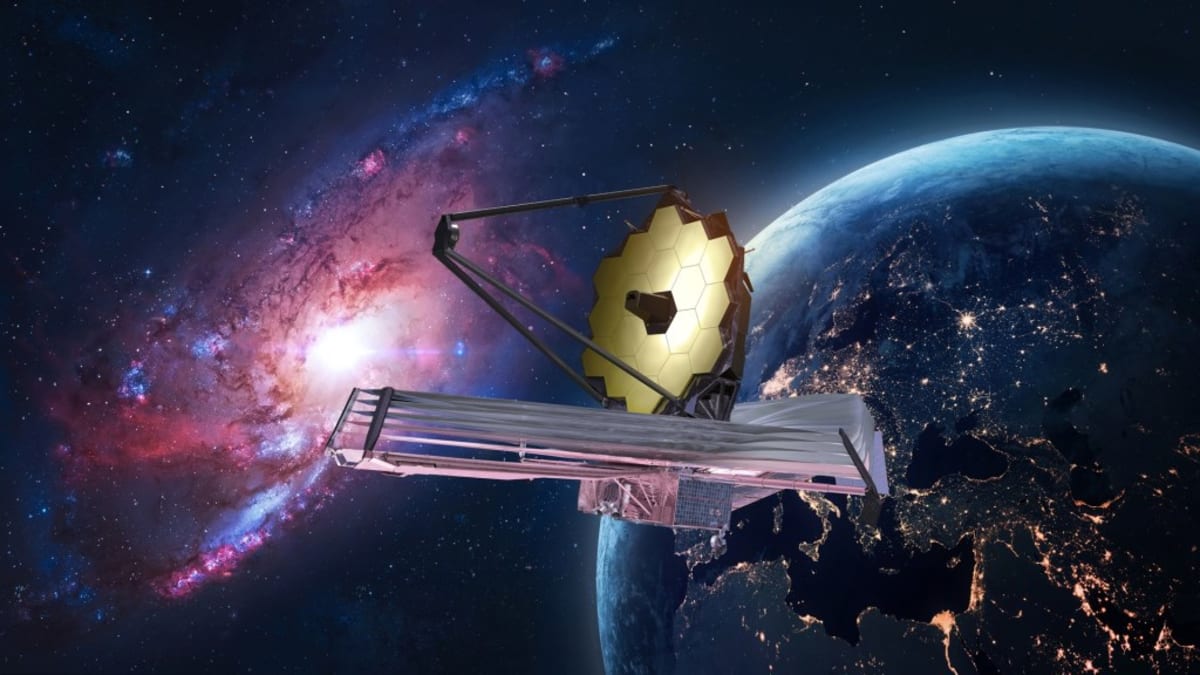
NASA's James Webb Space Telescope just delivered the most detailed look ever at the surface of a rocky planet outside our solar system. The breakthrough technique will help scientists search for atmospheres and potential life on distant worlds.
For the first time in history, scientists have mapped the surface temperature of a rocky exoplanet, revealing a volcanic world that looks eerily similar to parts of our own Moon and ocean floors.
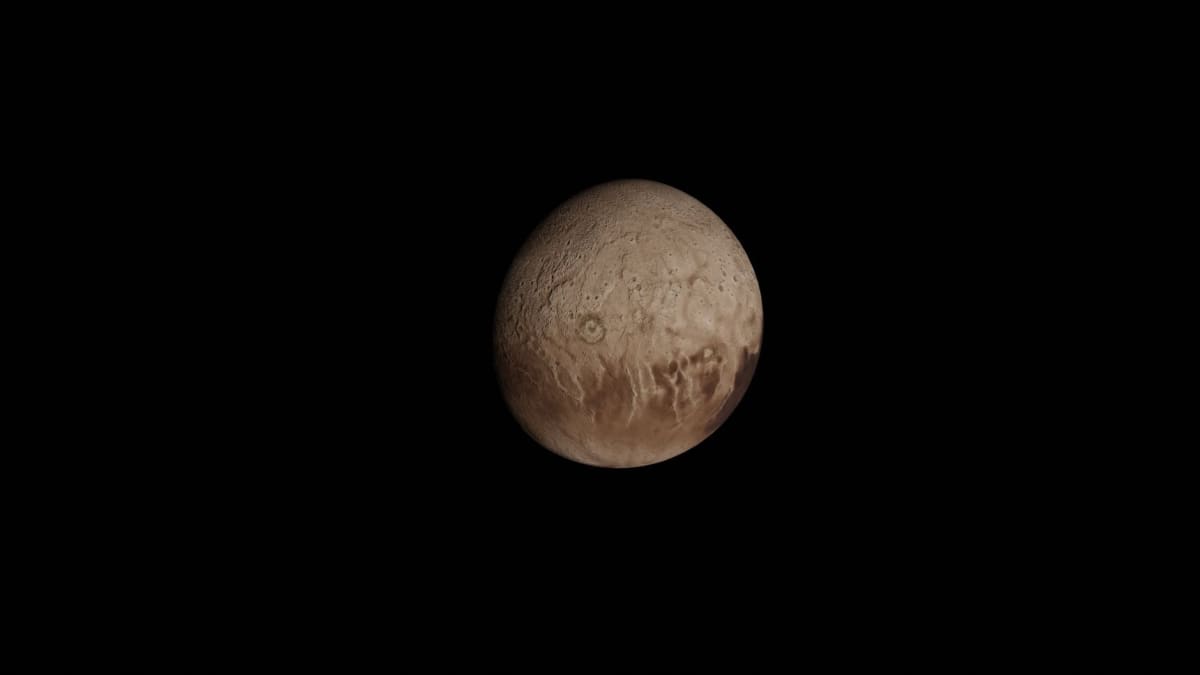
NASA's James Webb Space Telescope captured stunning thermal images of LHS 3844 b, a super-Earth orbiting a small star 49 light-years from home. The planet's sun-facing side reaches a scorching 770°C, while its dark side registers almost no heat at all.
That extreme temperature difference tells scientists something important: this world has no thick atmosphere to spread heat around. It's a bare rock planet, likely covered in basalt, the same volcanic material found on Earth's seafloor.
The real win here isn't just learning about one distant planet. Webb proved it can do something no telescope has ever done before: isolate the faint heat signature of a small rocky planet against the bright glare of its host star.
Scientists used a clever technique called secondary eclipse photometry, measuring the planet's thermal glow as it passed behind its star. Because LHS 3844 b is tidally locked with one side always facing its sun, it creates the perfect natural laboratory for testing this method.
The planet completes an orbit in just 11 hours, spinning around its star at breakneck speed. This tight orbit made it easier for Webb's Mid-Infrared Instrument to gather data across multiple passes.
Why This Inspires
This achievement opens the door to answering humanity's biggest question: are we alone? The same mapping technique will now be applied to more promising targets, including planets in the TRAPPIST-1 system where several worlds sit in the habitable zone where liquid water could exist.
Webb is already gathering data on TRAPPIST-1 b and c, using LHS 3844 b as the reference blueprint. Every new observation refines the method, making it easier to detect the subtle signs of atmospheres that could support life.
Before Webb launched in December 2021, this kind of surface mapping was impossible. No observatory had the sensitivity to capture mid-infrared signals from planets just 1.3 times Earth's size at these distances.
While LHS 3844 b itself is too hot and airless for life, it's teaching scientists exactly what to look for when examining cooler, more Earth-like candidates. The basaltic surface composition gives researchers a familiar geological baseline to compare against future discoveries.
The findings will be published in peer-reviewed literature and will guide how Webb spends its remaining operational years hunting for habitable worlds. Each mapped planet brings us closer to finding one with the right conditions for life.
More Images


Based on reporting by Google: James Webb telescope
This story was written by BrightWire based on verified news reports.
Spread the positivity!
Share this good news with someone who needs it