Balloon Telescope Could Map Exoplanet Weather for Days
Scientists launched a telescope on a balloon that floats 25 miles above Earth to study distant planets in ways even the James Webb telescope can't. The mission could double our understanding of alien atmospheres while costing a fraction of traditional space telescopes.
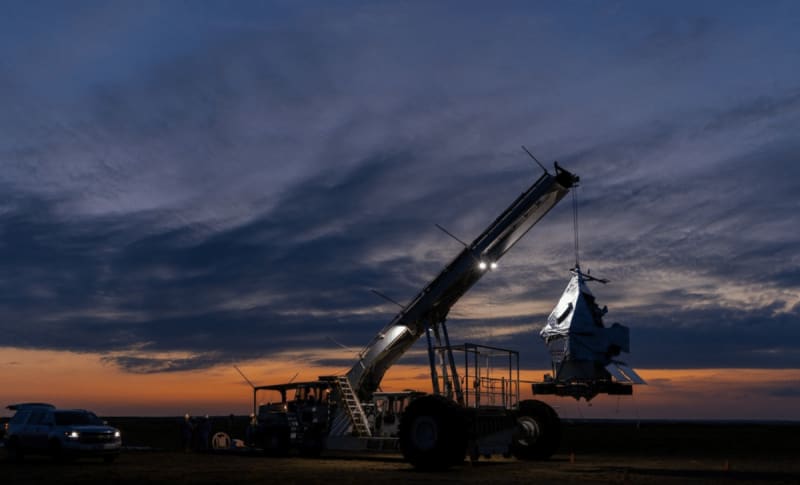
Imagine studying distant planets for days without interruption, something even our most advanced space telescopes struggle to do. That's exactly what the EXCITE mission accomplished when it sent a telescope soaring 40 kilometers above Earth aboard a simple balloon.
The EXoplanet Climate Infrared TElescope floats high enough to avoid nearly all atmospheric interference but stays close enough to be far more affordable than traditional space missions. While the James Webb Space Telescope faces challenges like thermal swings and can't stare at bright stars without overwhelming its sensors, EXCITE can observe continuously for days at a time.
The mission focuses on hot Jupiters, giant planets that orbit extremely close to their stars with one side always facing the heat and the other locked in perpetual darkness. By watching these planets over several days, scientists can track how the line between day and night moves across the surface, revealing weather patterns and temperature changes that create the first true 3D maps of alien atmospheres.
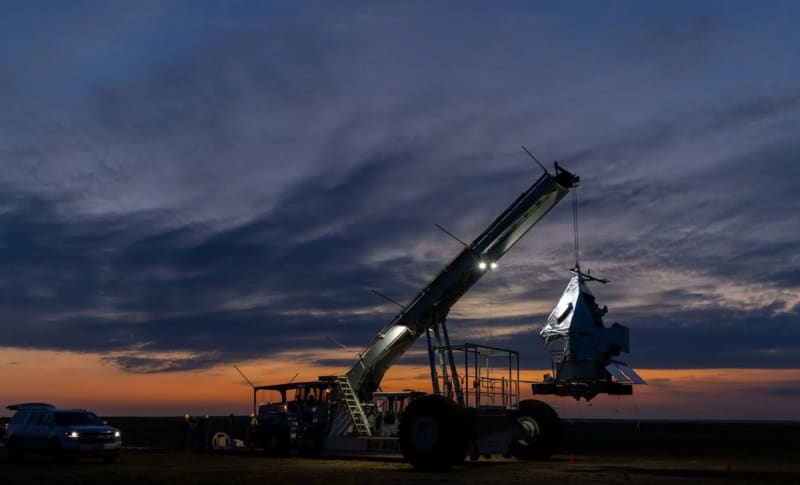
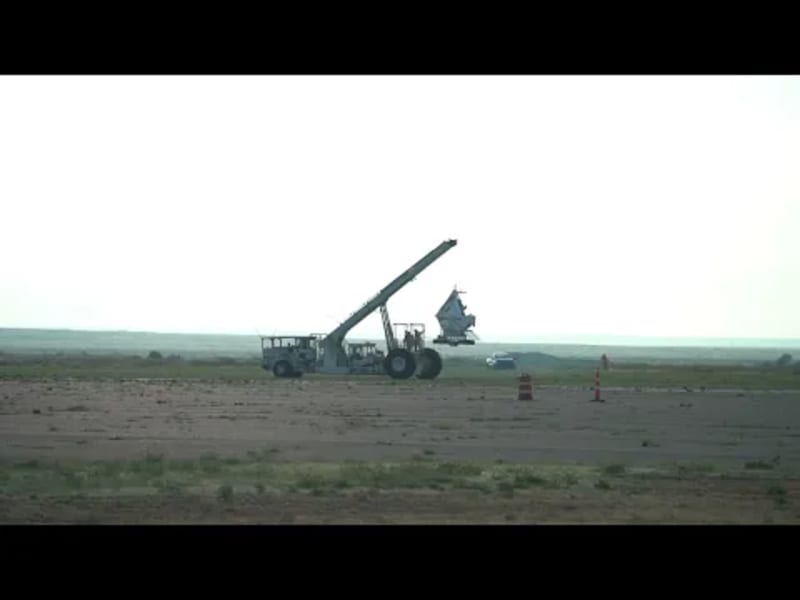
During test flights over New Mexico in August 2024, the balloon telescope proved it could maintain incredibly stable pointing, even while floating miles above Earth. The system's infrared detectors stay cooled to prevent thermal noise, capturing light at different wavelengths to identify specific gases in planetary atmospheres.
Engineers encountered some challenges, including GPS failures and mechanical housing issues, but they're already working on solutions. The team plans a longer mission over Antarctica in 2026 or 2027, where the balloon can float for even more extended periods in ideal observation conditions.
The Ripple Effect
EXCITE's success means more universities and research teams can afford to study exoplanets without waiting years for telescope time on expensive space observatories. The balloon approach could democratize space science, allowing multiple missions to fly simultaneously and dramatically expanding our knowledge of distant worlds.
If the Antarctica mission succeeds, it will double the current number of detailed exoplanet atmosphere measurements we have. Each new map brings scientists closer to understanding which distant worlds might support life and how planetary weather systems work across the universe.
The telescope that rides a balloon might just reveal the secrets of worlds we've only dreamed about reaching.
More Images

Based on reporting by Google: James Webb telescope
This story was written by BrightWire based on verified news reports.
Spread the positivity!
Share this good news with someone who needs it