Rocky Planet 49 Light Years Away Has Breathable Atmosphere
Scientists just confirmed the first atmosphere around an Earth-like planet in the habitable zone where liquid water could exist. The discovery makes planet LHS 1140b our best shot yet at finding life beyond our solar system.
For the first time ever, scientists have found a confirmed atmosphere around a rocky, Earth-like planet sitting in the sweet spot where life could exist.
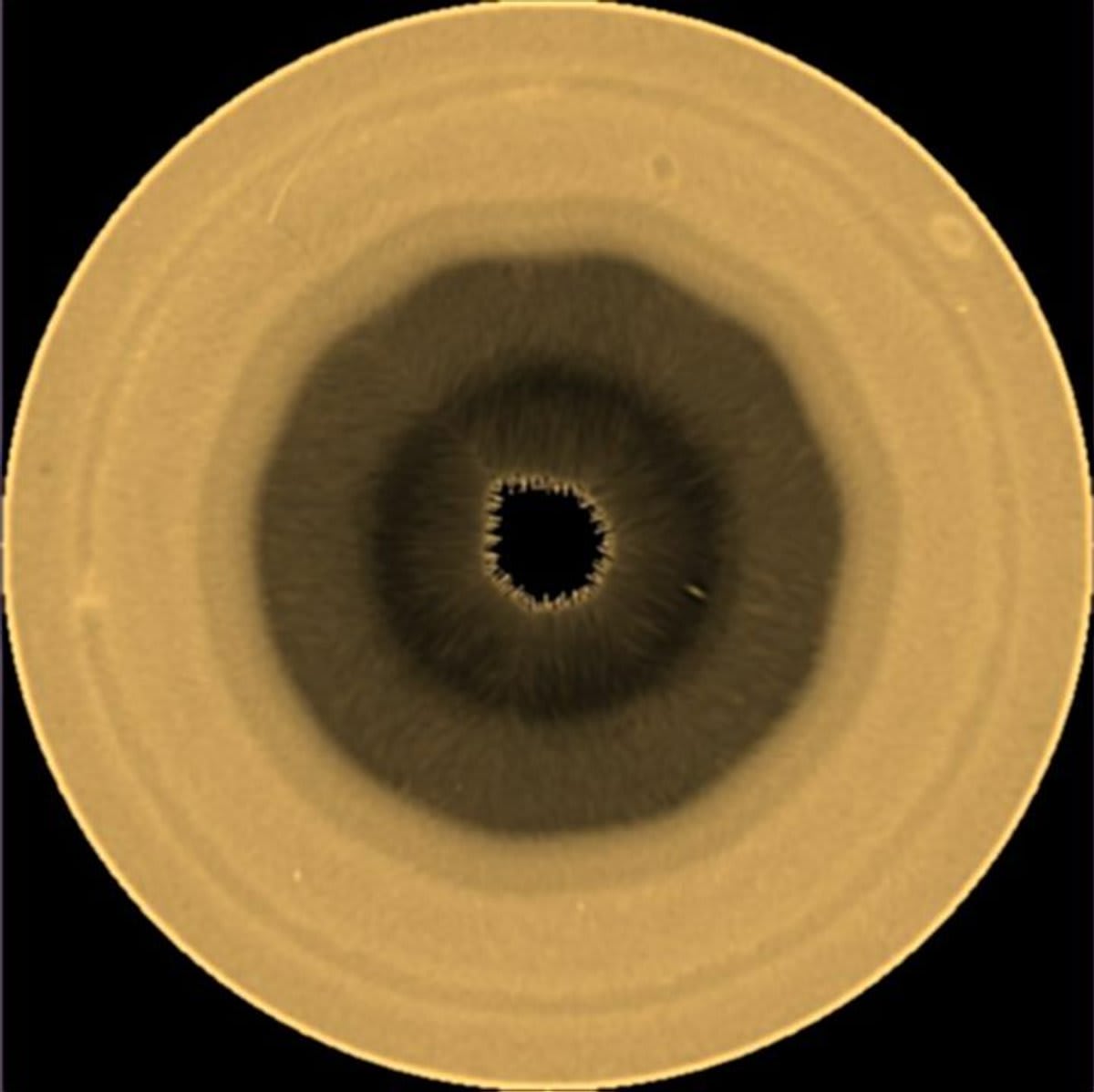
The planet, called LHS 1140b, orbits a red dwarf star just 49 light years from Earth in the constellation Cetus. While that sounds far, it's practically our neighbor in cosmic terms.
Dr. Collin Cherubim from Harvard University led the team that made the discovery. "This is the first actually observationally confirmed atmosphere on a rocky planet in the habitable zone outside of our solar system," he said.
The planet is bigger than Earth, with 5.6 times our mass and a radius 70% larger. It's also quite different in other ways: the planet is tidally locked (one side always faces its star), could have far more water than Earth, and probably has a very different atmosphere.
Scientists discovered LHS 1140b back in 2017, but the new findings change everything. Using an infrared telescope at Las Campanas Observatory in Chile, researchers watched the planet pass in front of its star and detected helium escaping into space.
That helium signal is the smoking gun proving an atmosphere exists. The team spent months ruling out every possible false alarm, from contamination to measurement errors. The signal held up.
Why This Inspires
This discovery gives us all three ingredients needed for a habitable world: a rocky planet, temperatures that support liquid water, and an atmosphere to protect that water and shield the surface from harmful radiation.
Even better, the star itself is quiet with few dangerous flares. "It's a really exciting place to keep looking, especially to look for signs of life," Cherubim said.
Professor Jayne Birkby from Oxford University called the work a fantastic discovery. Red dwarf stars like this one are the most common type in our galaxy, making them our best chance for studying nearby rocky planets. But they're often too active, stripping away atmospheres and leaving planets airless.
The fact that LHS 1140b has held onto its atmosphere makes it special. The varying helium signal also shows how the planet's atmosphere reacts to radiation from its star, which could tell us about surface conditions too.
"It naturally leads one to ask if life could thrive here and if so what type of protective gear it would have had to evolve for itself," Birkby added.
The search for life beyond Earth just got its best candidate yet.
More Images



Based on reporting by Google News - Scientists Discover
This story was written by BrightWire based on verified news reports.
Spread the positivity!
Share this good news with someone who needs it