Earth-Like Planet Found Just 25 Light-Years Away
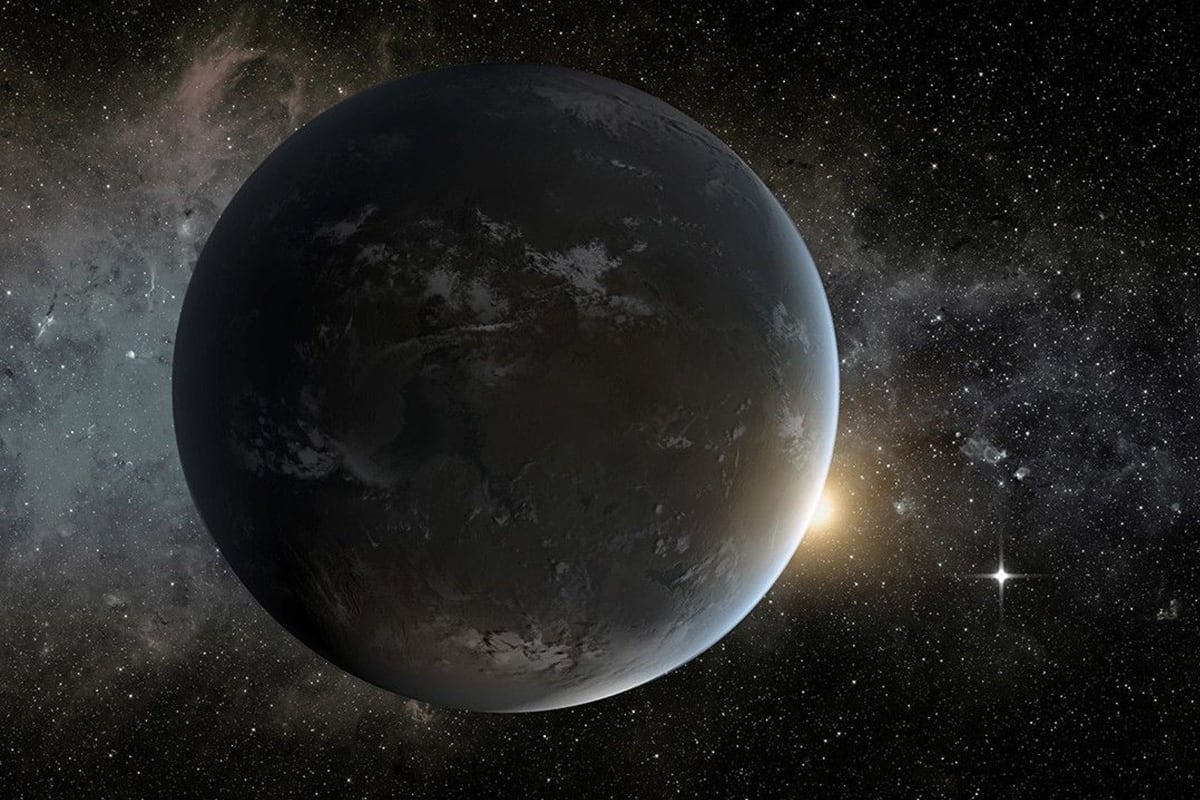
Scientists discovered that a nearby exoplanet in the habitable zone is more Earth-like than they thought. The planet, twice Earth's mass instead of five times, is now a top candidate for potentially supporting life.
A planet that could support life just became our most promising cosmic neighbor, and it's closer than astronomers ever hoped.
Researchers at the University of California, Irvine, took a second look at exoplanet GJ 3378b, located just 25 light years from Earth. Their findings, published in The Astrophysical Journal, reveal the planet is far more Earth-like than initially believed.
The planet orbits inside the habitable zone of a red dwarf star, where temperatures allow liquid water to form on the surface. Scientists first thought GJ 3378b was a "super-Earth" with at least five times our planet's mass, meaning crushing gravity and a suffocating atmosphere that would make life impossible.
The new measurements paint a much brighter picture. The planet is only twice Earth's mass, making it far more manageable for potentially supporting life.
"This one's exciting," said lead author Paul Robertson, a UC Irvine associate professor of astronomy. "It's one of our closest cosmic neighbors."
To put the distance in perspective, 25 light years might sound far, but the Milky Way stretches 100,000 light years across. In cosmic terms, GJ 3378b is practically next door.
The biggest remaining question is whether the planet has the right kind of atmosphere. Scientists need to know if it's thick enough to shield against radiation but thin enough to allow liquid water and breathable air.
Robertson compared Earth's atmosphere to an apple skin wrapped around an apple-sized Earth. That delicate balance provides just enough protection while supporting life as we know it.
Challenges remain before we can confirm GJ 3378b as truly habitable. Red dwarf stars regularly unleash powerful solar flares that could strip away a planet's atmosphere and sterilize any developing life. The planet's proximity to its star also means it might be tidally locked, with one side always facing the star and the other in permanent darkness.
Why This Inspires
The discovery shows how quickly our understanding of the universe can change for the better. What seemed like a hostile, inhospitable world transformed into one of our most promising candidates for finding life beyond Earth with just one new measurement. As technology improves and scientists continue studying GJ 3378b, we're inching closer to answering humanity's oldest question: are we alone in the universe?
Every new discovery brings us one step closer to finding our cosmic companions.
Based on reporting by Futurism
This story was written by BrightWire based on verified news reports.
Spread the positivity!
Share this good news with someone who needs it