1 Billion Space Discoveries Made by Everyday Volunteers
Volunteers around the world just hit an amazing milestone: 1 billion contributions to real space research through Zooniverse, the largest citizen science platform. From discovering exoplanets to tracking asteroids, everyday people are making genuine scientific breakthroughs from their own homes.
Imagine making a real scientific discovery during your lunch break. That's exactly what 3 million volunteers have been doing, and together they just reached an incredible milestone: 1 billion classifications on Zooniverse, the world's largest citizen science platform.
Since 2020, more than 324,000 volunteers have contributed 120 million classifications to 31 NASA-sponsored projects alone. They're doing real science work: spotting dips in starlight that reveal distant planets, identifying asteroids that pass near Earth, and even searching for mysterious brown dwarfs hiding in space.
The results speak for themselves. These volunteers have directly contributed to 96 scientific publications, and 56 of those papers list citizen scientists as co-authors. That's not honorary recognition, it's acknowledgment that their work was essential to the research.
Projects like Planet Hunters TESS and Backyard Worlds: Planet 9 tap into something computers still can't match: human pattern recognition and curiosity. When a volunteer spots something unusual in telescope data, they might be the first person in history to see a new world or solar system.
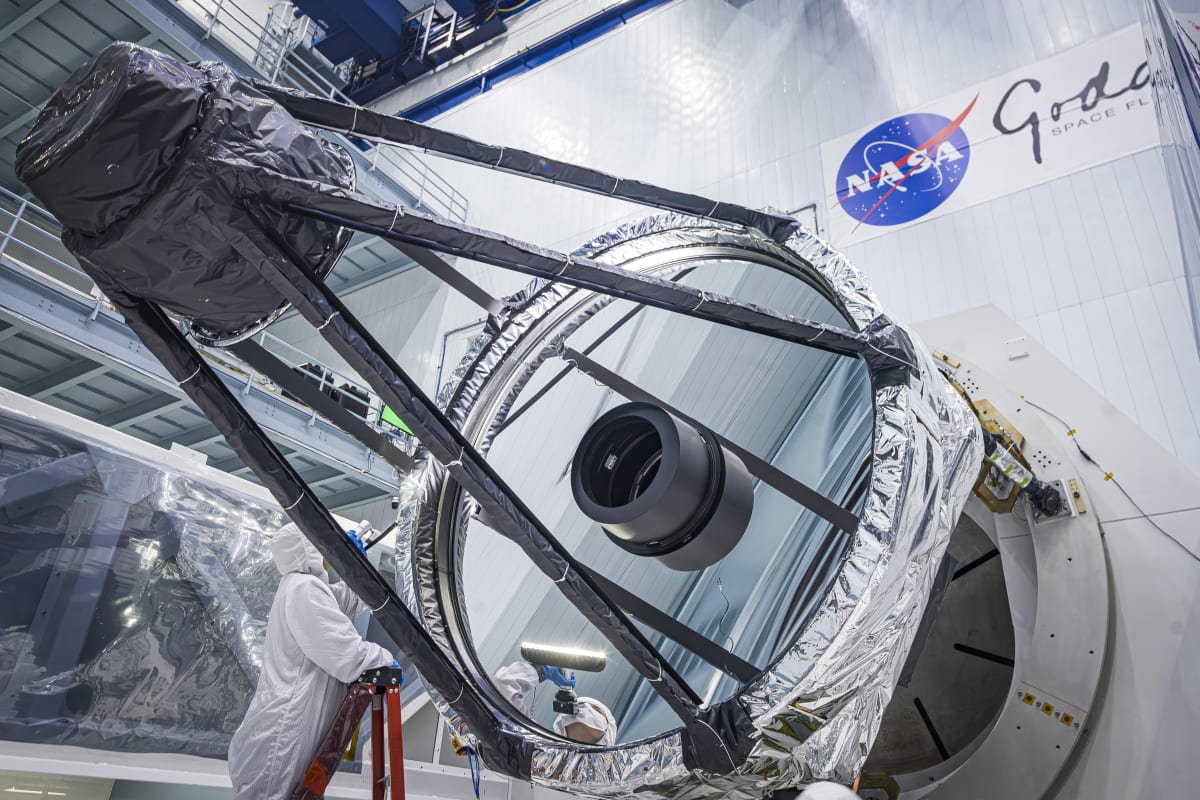
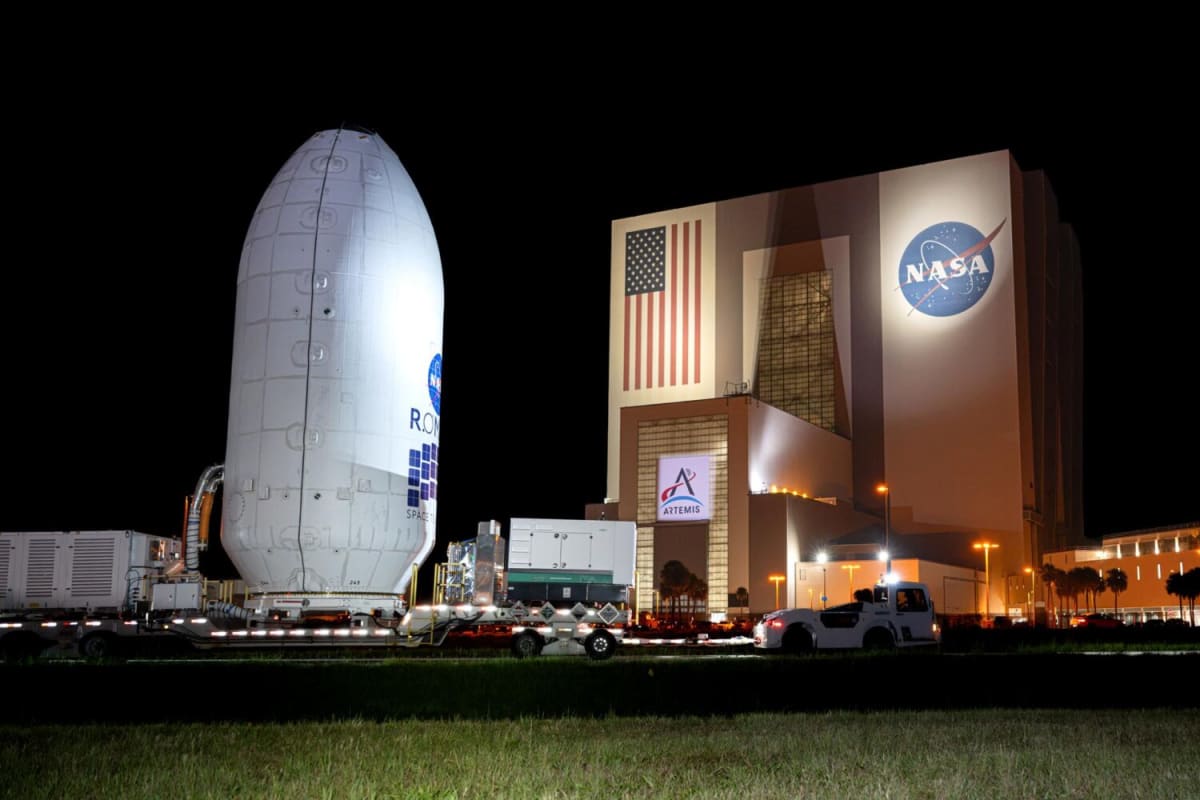
The work matters even more as telescopes get more powerful. NASA's upcoming Nancy Grace Roman Space Telescope will produce massive datasets that scientists simply can't analyze alone. They need human eyes and human intuition working alongside artificial intelligence.
The Ripple Effect
This milestone represents something bigger than space discoveries. It shows that meaningful scientific work isn't locked behind lab doors or advanced degrees. A teacher in Ohio, a retiree in Japan, and a student in Brazil can all contribute to humanity's understanding of the universe.
Zooniverse, co-founded by the Adler Planetarium and the University of Oxford, has created a bridge between professional scientists and curious minds everywhere. Anyone with internet access can log on and start making real contributions to research that matters.
"One billion classifications represent far more than a number; it's one billion moments of curiosity transformed into meaningful contributions to research," said Laura Trouille, principal investigator of Zooniverse and vice president of Science Engagement at the Adler Planetarium.
The platform hosts research projects beyond astronomy too. Volunteers identify wildlife in camera trap photos to help conservation efforts, analyze historical documents, and study everything from penguin colonies to galaxy formations.
What makes this model powerful is how it combines the strengths of people and technology. Computers can process enormous amounts of data, but humans excel at spotting the unexpected, the weird, the potentially groundbreaking anomalies that algorithms might miss.
Every classification, whether it confirms what scientists expected or reveals something surprising, moves research forward. And every volunteer becomes part of a global community working together toward discovery.
The next billion classifications will help prepare for future space missions and tackle increasingly complex scientific questions, one curious click at a time.
More Images

Based on reporting by NASA
This story was written by BrightWire based on verified news reports.
Spread the positivity!
Share this good news with someone who needs it