Hubble Telescope Hits 6,000 Exoplanets Discovered
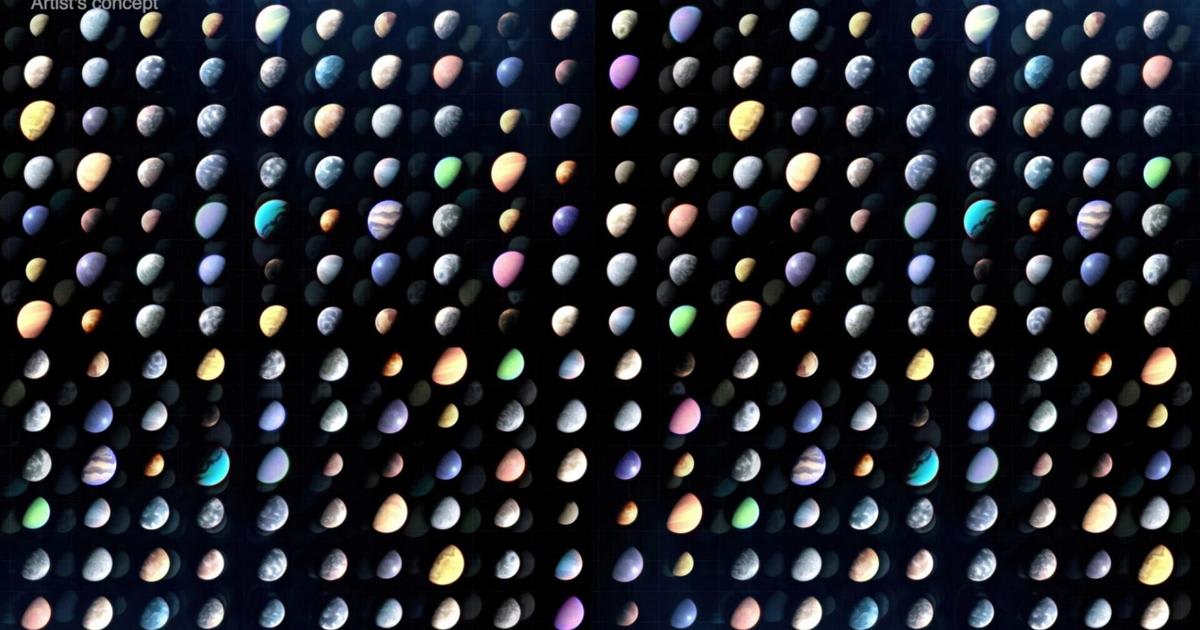
The Hubble Space Telescope just reached an incredible milestone: discovering more than 6,000 worlds beyond our solar system. When it launched in 1990, scientists didn't know a single exoplanet existed.
The Hubble Space Telescope just reached an incredible milestone: discovering more than 6,000 worlds beyond our solar system. When it launched in 1990, scientists didn't know a single exoplanet existed.
NASA announced the achievement on May 8, celebrating how far our cosmic exploration has come in just three decades. The joint NASA and European Space Agency mission has revealed an astonishing variety of planets, from blazing hot gas giants to mysterious super-Earths unlike anything in our solar system.
Hubble's precision and ultraviolet vision allowed scientists to do more than just spot distant worlds. The telescope revealed the atmospheres of these planets, tracking escaping gases and uncovering exotic features that challenge everything we thought we knew about planetary science.
Some of these distant worlds are truly bizarre. Scientists have found planets shaped like footballs, worlds evaporating into space, and even planets as dark as fresh asphalt. Each discovery shows just how creative nature can be when building solar systems.
The Ripple Effect
The real excitement isn't just about the number. Each new planet discovery expands our understanding of how common planetary systems are throughout the galaxy and brings us closer to answering one of humanity's oldest questions: are we alone?
Hubble isn't working solo anymore. The veteran telescope now teams up with newer observatories like the Webb Space Telescope, TESS, and the upcoming Nancy Grace Roman Space Telescope. Together, they're studying what these distant worlds are made of, how they evolve, and whether any might support life.
The search continues to accelerate. With better technology and multiple telescopes working together, scientists are finding exoplanets faster than ever before. They're analyzing atmospheric compositions, searching for water vapor, and looking for chemical signatures that might indicate habitability.
As NASA celebrates 6,000 confirmed exoplanets, the agency is already looking ahead to the next 6,000 discoveries waiting beyond our cosmic horizon.
More Images

Based on reporting by Google: NASA discovery
This story was written by BrightWire based on verified news reports.
Spread the positivity!
Share this good news with someone who needs it