AI Predicts Category 5 Hurricanes a Full Day Earlier
Google DeepMind's new weather AI gave Jamaica an extra day to prepare for Hurricane Melissa by predicting it would become a Category 5 storm five days before landfall. The breakthrough could save countless lives by giving communities precious additional time to evacuate and prepare.
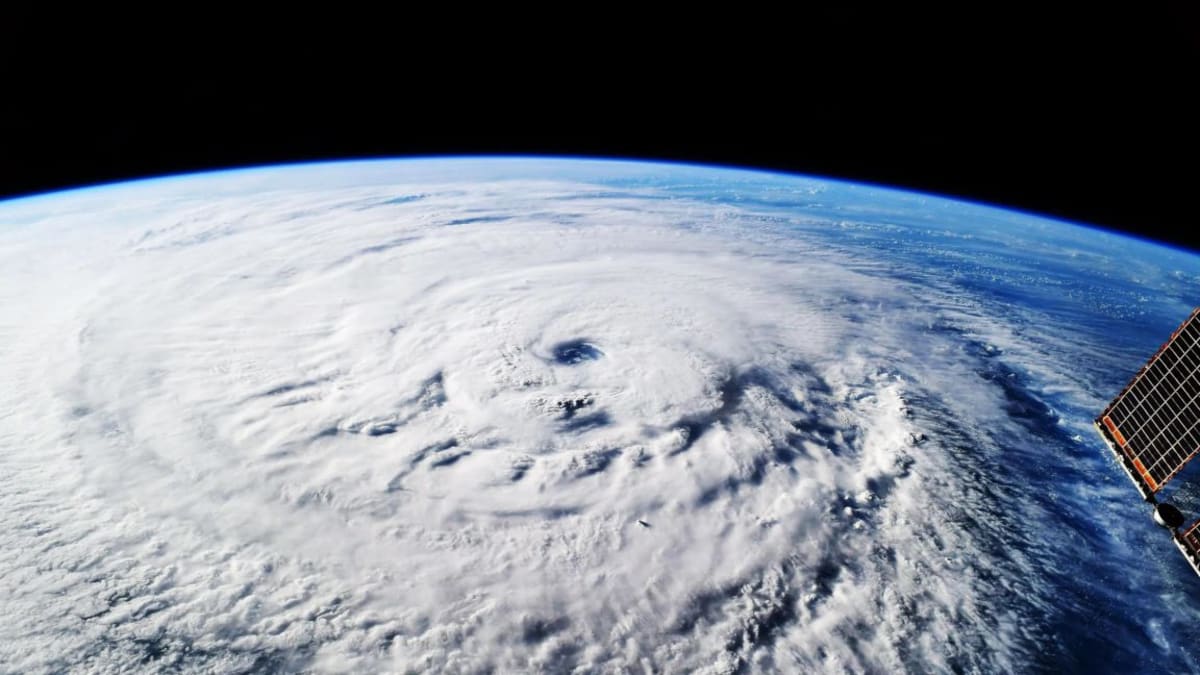
When Hurricane Melissa formed over the Caribbean in October 2025, an AI system did something that shocked weather scientists: it predicted five days in advance that the storm would hit Jamaica as a catastrophic Category 5 hurricane.
That extra day of warning made all the difference. Communities had more time to evacuate, stage emergency supplies, and prepare for the flooding and landslides that would devastate the island.
Google DeepMind's WeatherNext AI model has achieved what traditionally takes a decade of scientific work. Published Thursday in Nature, the research shows the AI can predict hurricane intensity and track with unprecedented accuracy, giving forecasters a full day more lead time than existing models.
"Even a few hours can make a difference," says Mike Brennan, director of the US National Hurricane Center. "Time is really golden when it comes to those types of decisions."
The breakthrough solves a problem that has stumped meteorologists for years. Predicting where a hurricane will go requires global weather data, but predicting how strong it will become needs hyperlocal atmospheric and ocean conditions that global models typically miss.
Earlier AI weather models could track storms well but failed at predicting intensity. That's a dangerous gap because storms can rapidly intensify overnight, turning a manageable situation into a life-threatening emergency.
Hurricane Melissa marked the first time forecasters could predict a Category 5 hurricane when the storm was still only Category 1. The AI achieved this using surprisingly low-resolution data that traditional models would consider inadequate.
"When we told the community that our model was only using relatively coarse resolution, they were shocked," says Ferran Alet, a research scientist at Google DeepMind. The AI must be detecting patterns in the data that scientists don't yet understand, opening new avenues for hurricane research.
The Ripple Effect
The model doesn't just make one prediction. It generates 1,000 different potential scenarios per storm, capturing the "butterfly effect" where small changes can lead to dramatically different outcomes. That's something human forecasters simply don't have the computing power to create with traditional models.
Kate Musgrave, who leads the tropical cyclone group at the Cooperative Institute for Research in the Atmosphere, says the team was skeptical when they first saw the results. "The results were so good that we were skeptical that we would actually see that in the real-time demonstration," she says.
But when forecasters started using WeatherNext during actual hurricane season, it performed even better than expected. "I think everybody was surprised at just how well it did," Musgrave says.
The human element remains crucial. "A hurricane is not just a track or an intensity forecast," Brennan emphasizes. "It requires experts to translate that into what the impacts are going to be, and it's the impacts that kill people."
Google DeepMind is now open-sourcing the WeatherNext models so researchers worldwide can build on this breakthrough and save even more lives.
More Images



Based on reporting by Ars Technica Science
This story was written by BrightWire based on verified news reports.
Spread the positivity!
Share this good news with someone who needs it