AI Predicts Hurricanes 24 Hours Earlier, Saves Lives
Google DeepMind's new weather AI gave Jamaica a crucial three-day warning before Hurricane Melissa became the strongest storm to ever hit the island. The breakthrough buys communities an extra day to evacuate and prepare, matching a decade of traditional meteorological progress in one leap.
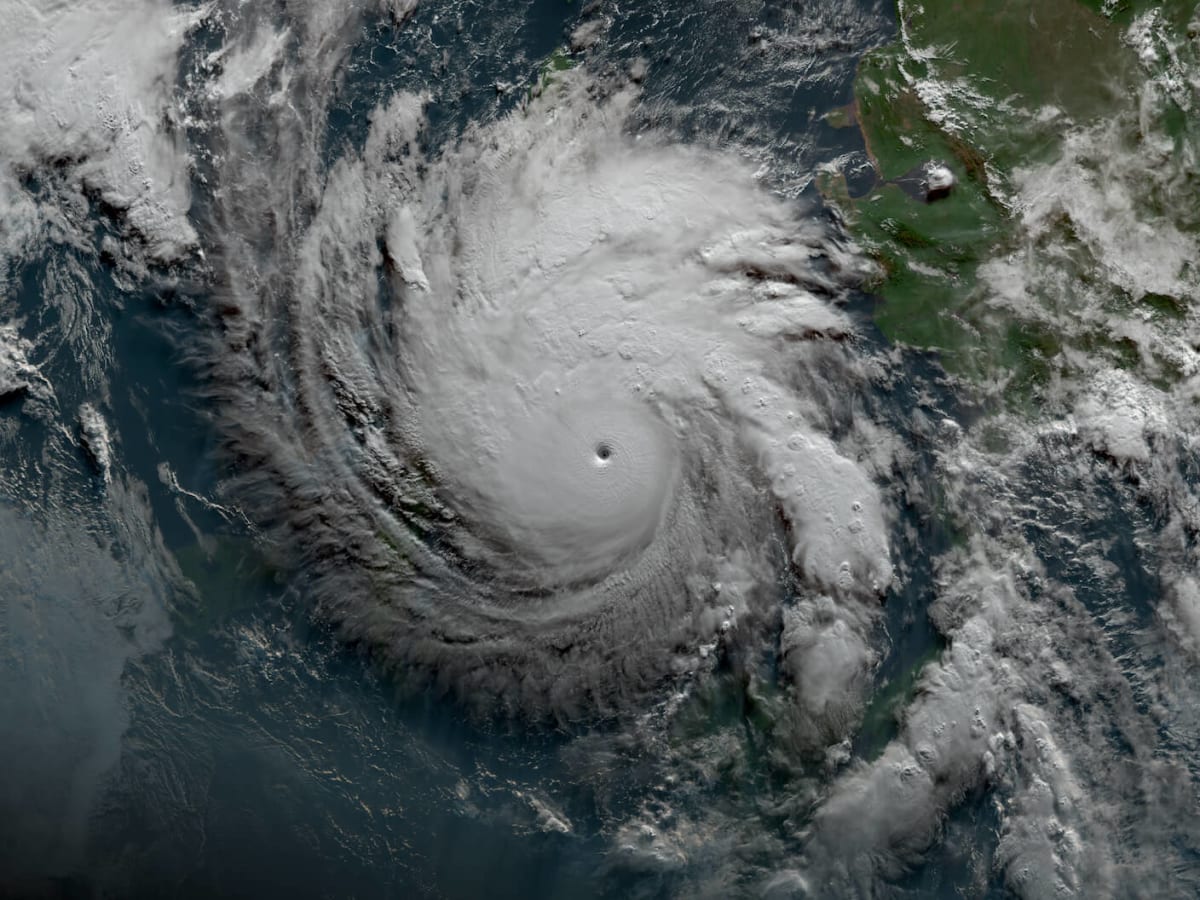
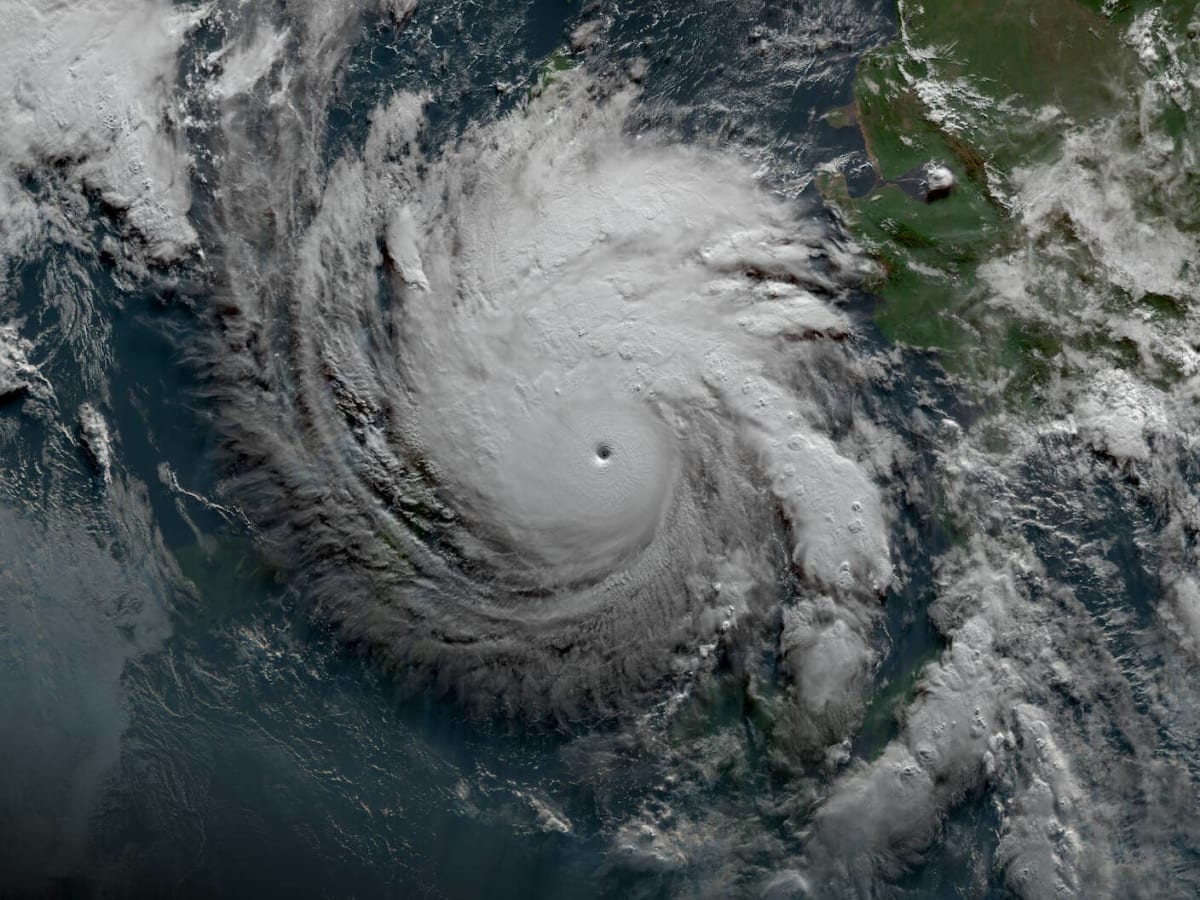
When Hurricane Melissa exploded from a weak storm into a Category 5 monster headed for Jamaica in 2025, forecasters had never seen anything like it. But an AI called WeatherNext saw it coming three days early with near-perfect confidence, giving the island precious extra time to save lives.
That 24-hour advantage might not sound like much, but for families packing belongings, hospitals moving patients, and emergency crews positioning supplies, it's everything. DeepMind says the improvement equals roughly ten years of traditional weather forecasting progress.
Hurricanes are notoriously unpredictable because they're chaotic systems where tiny changes create massive consequences. A seemingly harmless tropical storm can suddenly intensify into a killer, or veer unexpectedly toward populated areas. Current physics-based forecasting models can only reliably predict two days ahead, and they take hours of supercomputer time to generate.
DeepMind trained WeatherNext on decades of global weather data and nearly 5,000 extreme cyclones. Instead of producing one forecast, the AI generates thousands of possible scenarios in under a minute on a single chip, assigning probabilities to each outcome.
The system bridges a critical gap in hurricane prediction. Global models track a storm's path well but miss local details that determine strength. Local models predict intensity but lack the big picture needed for trajectory. WeatherNext does both, seeing the forest and the trees simultaneously.
The AI matched leading forecasting systems in accuracy while extending the prediction window from two days to three. It also generates 15-day general weather forecasts faster and using less energy than conventional models.
The Ripple Effect
DeepMind isn't trying to replace human forecasters or traditional models. Instead, WeatherNext works alongside them, giving meteorologists better information to guide critical decisions during emergencies.
The breakthrough comes as climate change makes extreme weather more frequent and unpredictable. Communities worldwide face stronger, faster-developing storms that demand better early warning systems.
Hurricane Melissa's successful prediction marked the first time anyone accurately forecast a low-intensity storm reaching Category 5 strength. The technology proved itself when it mattered most, in real conditions with real lives at stake.
The model's predictions are now available on Google Weather Lab, though the team emphasizes people should always follow guidance from local weather agencies who understand regional conditions and emergency protocols.
Every hour of warning time translates directly into lives saved, and this AI just bought us 24 more.
More Images

Based on reporting by Singularity Hub
This story was written by BrightWire based on verified news reports.
Spread the positivity!
Share this good news with someone who needs it