AI Predicts Solar Panel Quality Before Production Begins
Scientists in South Korea developed AI that spots which solar panels will work best before they're even made, using data from 100,000 real factory samples. The breakthrough could make clean energy cheaper and faster to produce.
Imagine knowing exactly how well a solar panel will perform before you've finished building it. That's now possible thanks to a team at Korea University who trained artificial intelligence on real factory data.
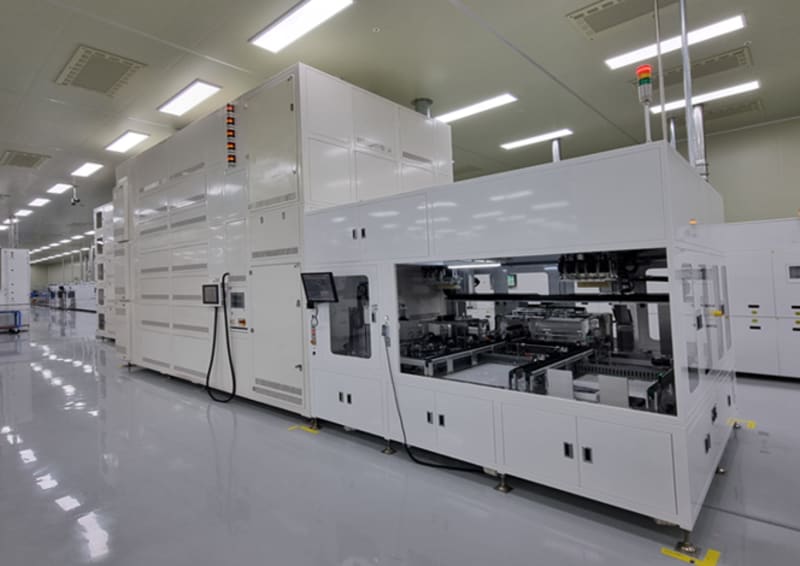
The researchers analyzed more than 100,000 solar cells from an actual production line, teaching their AI to predict how efficient each panel would be just by looking at the starting material. No more waiting until the end of production to discover problems.
"The goal is to enable data-based decision making and intelligent automation in photovoltaic manufacturing," lead researcher Seungtae Lee explained. Instead of expensive trial and error, factories can now make smarter choices from day one.
The system works in three clever ways. First, it screens raw materials before production starts, catching potential duds early. Second, it maps out the best manufacturing path for each piece, like a GPS for solar cells. Third, it shows engineers exactly why certain materials perform better, turning the AI into a teaching tool rather than a black box.
The team focused on defect detection, finding that dark spots and grain problems were the biggest warning signs for low efficiency. One manufacturing step called the "wet bench" turned out to be especially important for rescuing underperforming materials.
Why This Inspires
This isn't just about making solar panels faster. It's about making clean energy more affordable and accessible to everyone. When factories waste less material and catch problems early, the savings get passed along to families and communities trying to switch to renewable power.
The framework works for different types of solar technology too. Lee confirmed the same approach could help manufacture newer perovskite solar cells, which many scientists see as the next generation of solar power.
The research team previously developed similar AI for other manufacturing steps, achieving better results than traditional methods while saving time and money. They believe the approach could extend beyond solar energy to improve all kinds of industrial production.
Smart factories powered by transparent AI means cleaner energy reaching more people faster. That's a future worth building toward.
More Images
Based on reporting by PV Magazine
This story was written by BrightWire based on verified news reports.
Spread the positivity!
Share this good news with someone who needs it