AI Predicts Solar Power Swings Using Cloud Data Worldwide
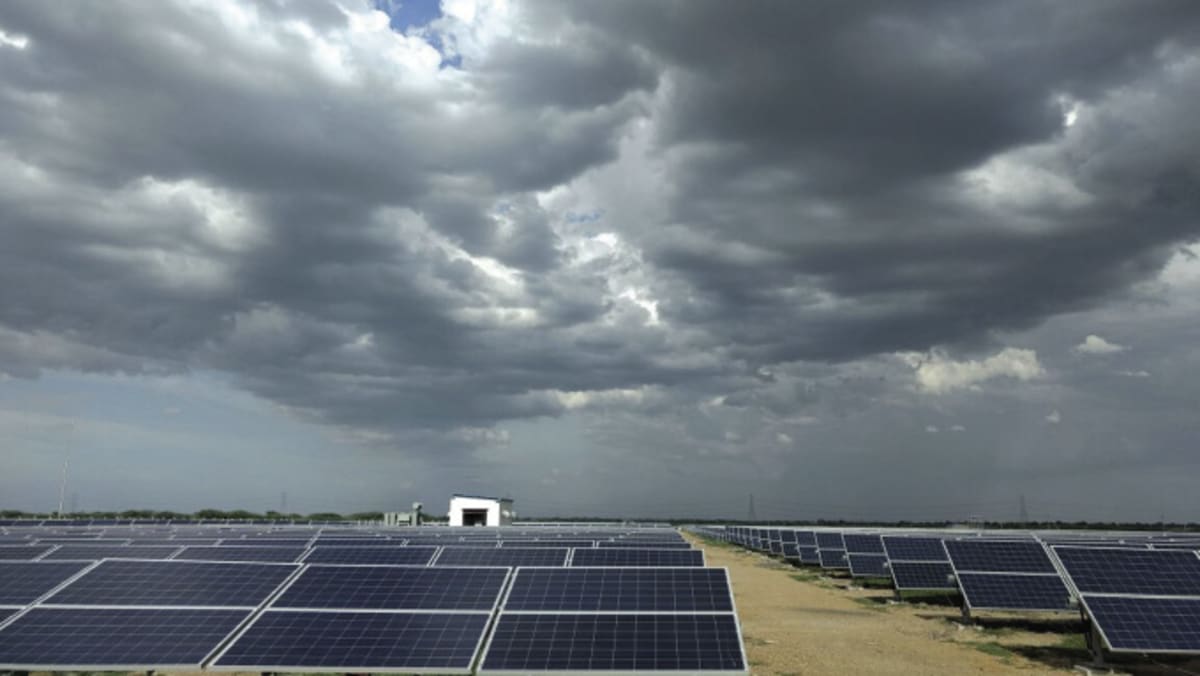
Scientists created an artificial intelligence model that forecasts sudden changes in solar power by watching clouds, and it now works across 15 locations worldwide. This breakthrough could help power grids handle renewable energy more smoothly.
Imagine if power companies could predict exactly when clouds would block solar panels, preventing blackouts before they happen. Researchers just made that future a major step closer to reality.
A team from the University of Colorado Boulder and NOAA developed a machine learning model that predicts sudden drops and surges in solar power by analyzing cloud types and cloud cover. What started as a local project in Oklahoma now works reliably across diverse climates, from Alaska to Argentina.
The original 2021 model learned from five years of cloud observations in Oklahoma's plains. It discovered something remarkable: just by knowing what types of clouds were overhead and how much sky they covered, researchers could explain 42% of rapid sunlight fluctuations caused by moving clouds.
Those rapid changes matter enormously. When a cloud suddenly blocks a solar farm, the grid must instantly compensate with backup power. When the cloud passes, operators must quickly reduce that backup to avoid waste. These "ramp events" happen minute by minute, making solar power trickier to manage than steady sources like natural gas.
The researchers wondered if their Oklahoma findings would hold true worldwide. They tested the model at 15 additional locations spanning tropical Papua New Guinea, arid Nevada, mountainous Colorado, and high-latitude Alaska.
The results exceeded expectations. More than half the sites showed equal or better prediction accuracy than the original Oklahoma location. Nearly three-quarters of sites performed within the model's original reliability range.
The team adapted the model to work with different equipment at each location, proving it doesn't require expensive specialized instruments. Some sites used simpler radiation sensors and ceiling-mounted cloud detectors instead of sophisticated radar and lidar systems.
The Bright Side
This research solves a critical puzzle in the clean energy transition. Solar power has become incredibly cheap, but its unpredictability has held back wider adoption. Grid operators often keep polluting backup plants running just in case clouds appear.
Better forecasting changes that equation. If operators know a cloud will block the sun in five minutes, they can fire up batteries or adjust other sources smoothly. That means less waste, lower costs, and more confidence in solar reliability.
The model struggled somewhat in extreme environments like Alaska's polar climate and Papua New Guinea's intense tropical weather. But even those challenging locations provided valuable data, showing researchers exactly where to focus improvements.
The technology could eventually integrate with existing weather satellites and ground sensors worldwide. Power companies wouldn't need new equipment, just software that interprets existing cloud data through this model's lens.
Clean energy just got more predictable, bringing us closer to grids powered entirely by sunshine and wind.
More Images

Based on reporting by PV Magazine
This story was written by BrightWire based on verified news reports.
Spread the positivity!
Share this good news with someone who needs it