AI Robot Model GO-2 Achieves 98.5% Success Rate
A new AI system is teaching robots to think and act in harmony, achieving near-perfect performance in real-world tasks. The breakthrough could transform how robots help us in everyday life.
📺 Watch the full story above
Robots are getting smarter in a way that actually works in the real world, not just in labs.
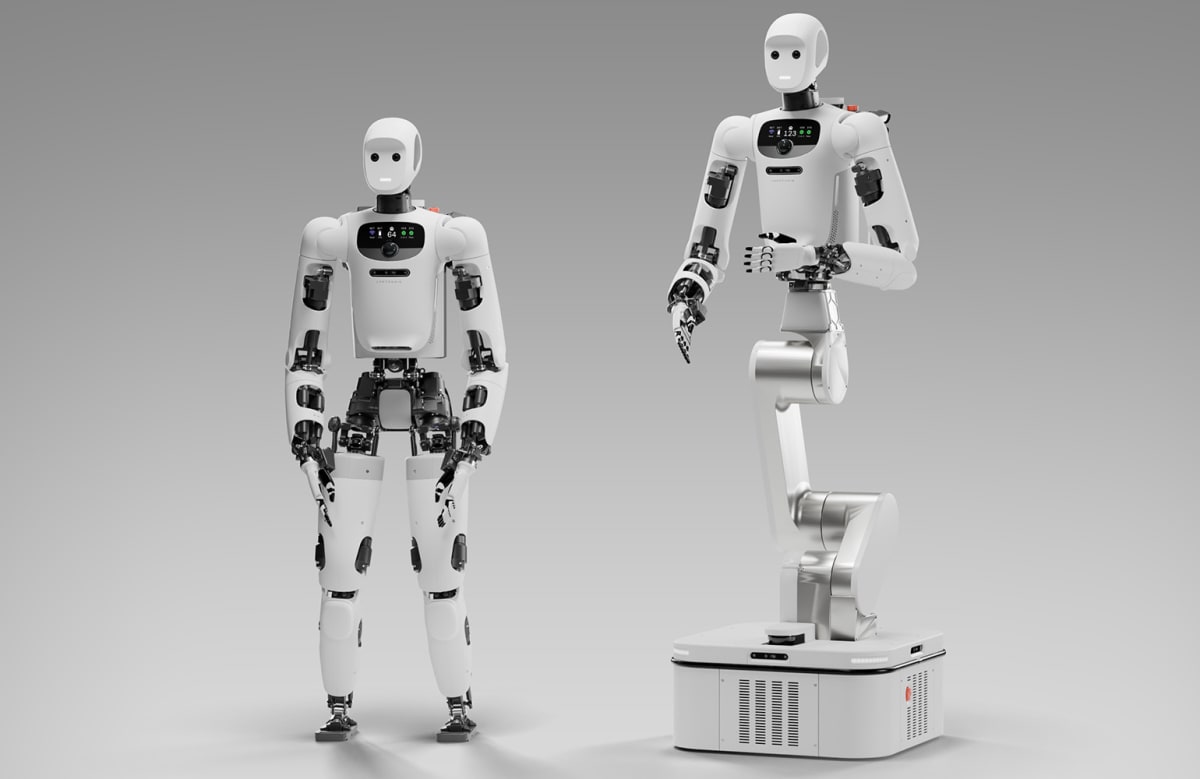
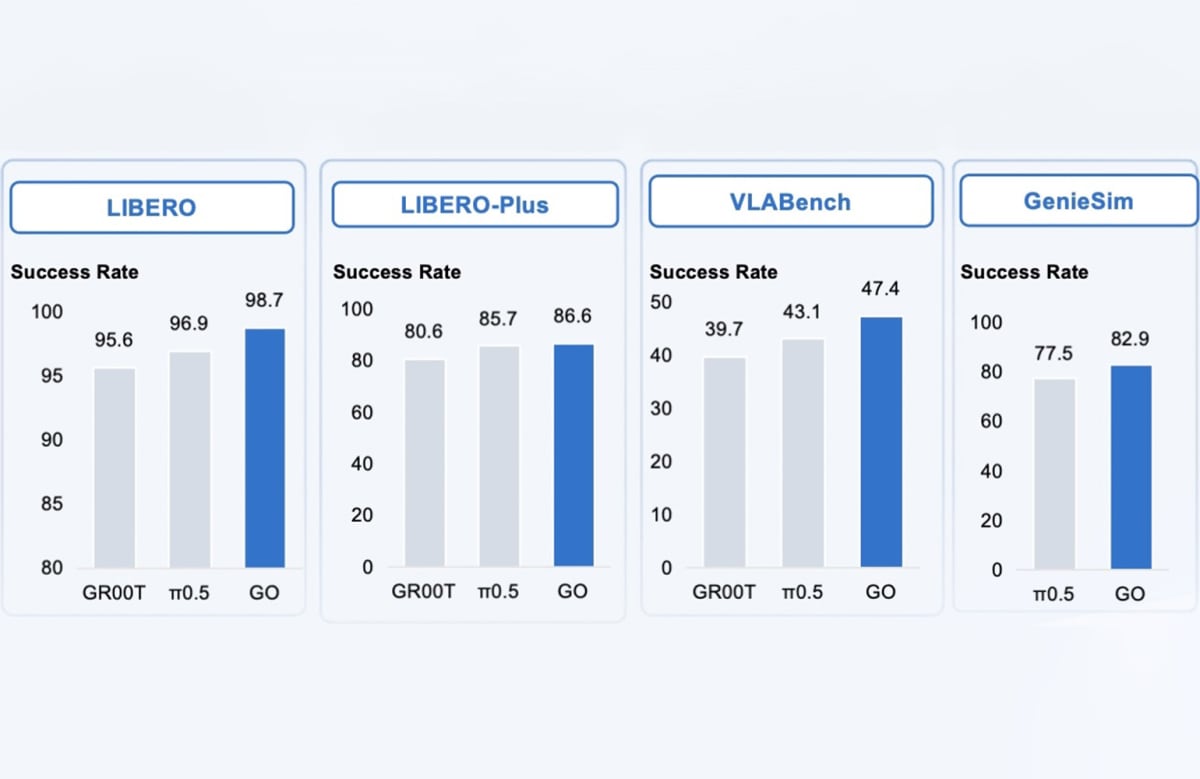
Chinese robotics company AGIBOT just unveiled GO-2, an AI model that helps robots both plan tasks and execute them reliably. In benchmark tests, GO-2 achieved a stunning 98.5% average success rate across different types of tasks, outperforming leading competitors from NVIDIA and other tech giants.
The breakthrough solves a problem that's plagued robotics for years. Previous AI models could help robots understand instructions and create good plans, but the robots often failed to follow through accurately. It's like knowing the steps to bake a cake but somehow ending up with cookies instead.
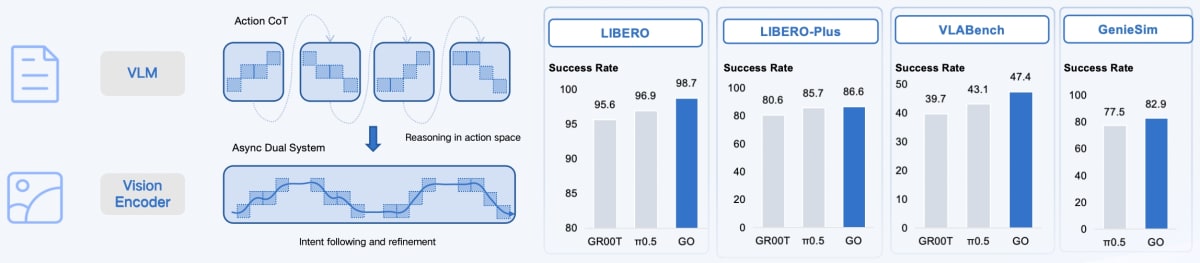
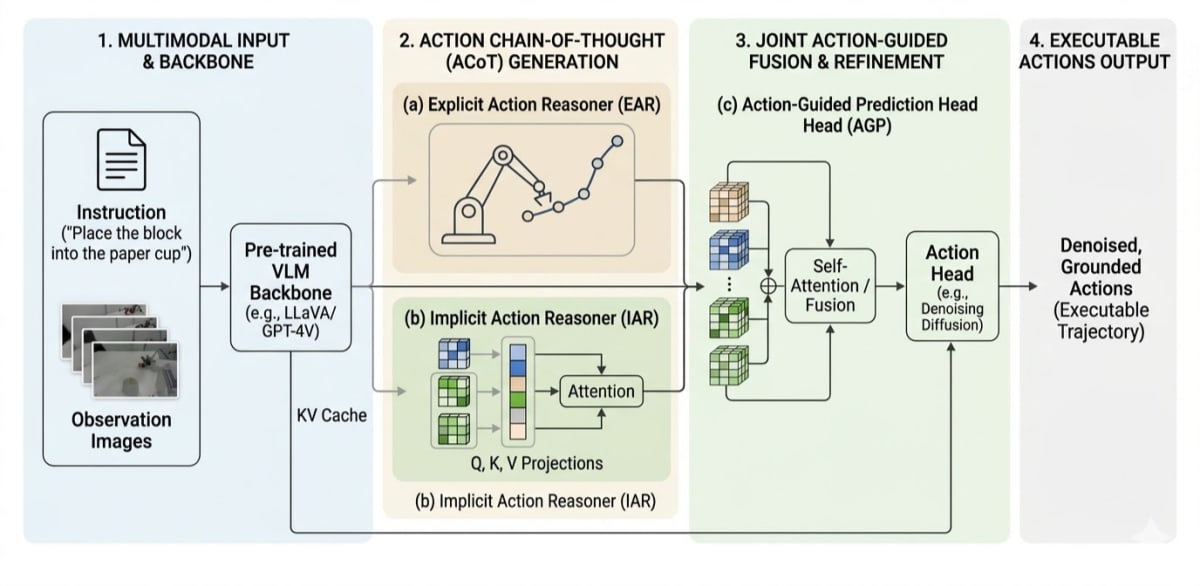
AGIBOT's solution mimics how humans approach physical tasks. Before shooting a basketball, you mentally picture the arc of the ball. GO-2 does something similar, creating a high-level action plan before executing each step precisely.
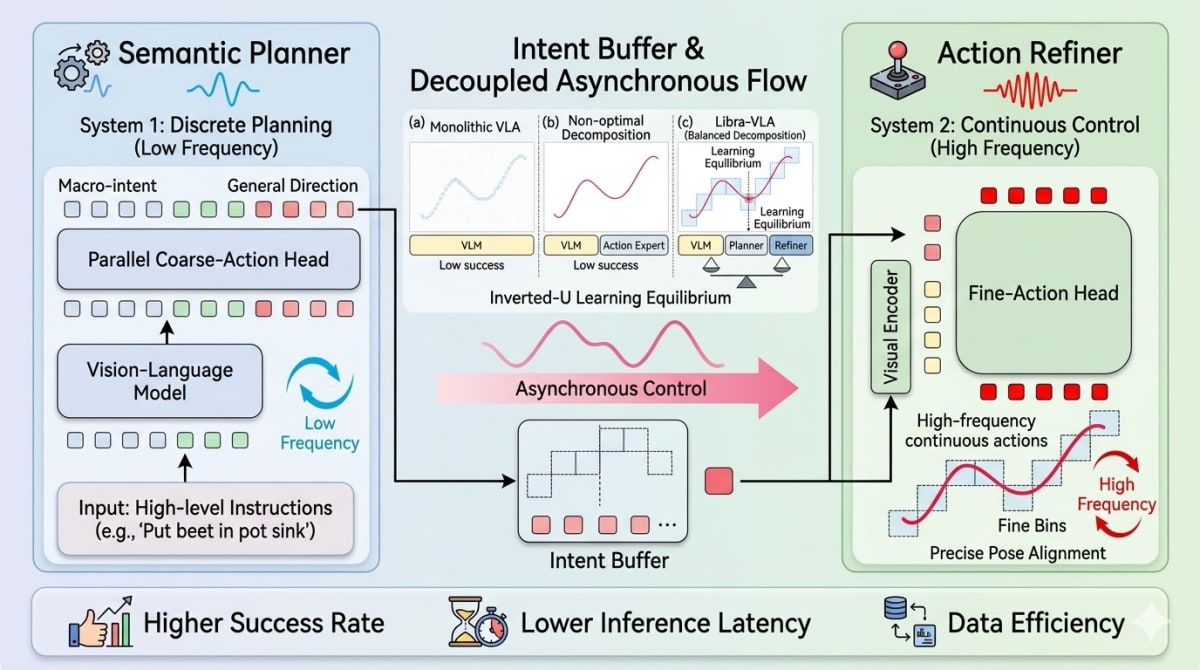
The system uses two coordinated processes working at different speeds. A "general commander" module thinks through the overall strategy at a slower pace, while an "agile executor" module makes rapid adjustments based on what's happening in real time. This dual approach lets robots adapt to unexpected obstacles while staying true to their original plan.
The real-world results speak for themselves. In tests with environmental disturbances like noise and movement, GO-2 maintained an 86.6% success rate. Even when trained only in simulations, the system achieved 82.9% success when deployed with actual robots.
The Ripple Effect
AGIBOT isn't stopping at lab achievements. The company has integrated GO-2 into Genie Studio, a platform that lets thousands of robots learn collaboratively. When one robot figures out how to handle a task better, that knowledge can spread across entire fleets within minutes.
This continuous learning approach means robots can improve at industrial tasks two to four times faster while needing less training data. Task startup time has dropped to just minutes instead of hours or days.
The system already supports large-scale deployment across distributed robot networks, with training efficiency roughly 10 times better than previous methods. As more robots use the platform, the collective intelligence grows stronger.
Reliable robots that truly understand and execute complex tasks could soon assist in manufacturing, healthcare, elderly care, and countless other fields where human-robot collaboration matters most.
More Images

Based on reporting by The Robot Report
This story was written by BrightWire based on verified news reports.
Spread the positivity!
Share this good news with someone who needs it