AI Robots Master Single Tasks Over Jack-of-All-Trades
The future of robotics isn't humanoid machines that do everything—it's specialized robots that do one job brilliantly. Smart lawn mowers, kitchen assistants, and warehouse bots are already proving that focus beats flexibility.
📺 Watch the full story above
Forget the dream of robot butlers that can do your laundry, cook dinner, and walk the dog. The robots actually changing our world right now are the ones that focus on doing just one thing really, really well.
Physical AI represents a major leap forward for robotics. Unlike earlier systems that could only recognize objects or respond to commands, these new machines can sense their environment, think about what they're seeing, and take action—all in real time without waiting for instructions from the cloud.
Take robotic lawn mowers as an example. Modern versions don't just follow a preset pattern anymore. They continuously scan for obstacles, adjust to changing terrain, and make split-second decisions about where to go next—all while operating completely on their own. The intelligence lives inside the machine itself, making it reliable even when internet connections fail.
This shift to on-device intelligence solves a critical problem. When robots interact with the physical world, they can't afford delays caused by sending data to distant servers and waiting for responses. A delivery robot navigating a busy sidewalk or a warehouse bot moving heavy boxes needs to react instantly to stay safe and effective.
While humanoid robots grab headlines, they face serious practical hurdles. Building mechanical hands with human-level dexterity remains extremely difficult and expensive. Creating joints, actuators, and energy systems that can replicate the full range of human movement is still years away from being affordable or reliable.
The Bright Side
The good news? We don't actually need humanoid robots to see major benefits. Task-specific robots are already delivering real value across industries and homes. Robotic vacuum cleaners handle floor care flawlessly. Autonomous drones inspect bridges and power lines. Kitchen assistants chop vegetables and clean counters. Agricultural robots monitor crop health and apply treatments with precision.
These specialized systems succeed precisely because they don't try to do everything. By focusing on specific tasks, engineers can optimize every aspect of the design—from the sensors and AI models to the physical components and energy efficiency. The result is machines that perform their designated jobs more reliably and affordably than general-purpose alternatives ever could.
This specialization also accelerates adoption. Companies and consumers can invest in robots that solve their most pressing needs without paying for unnecessary capabilities. A restaurant doesn't need a robot that can also mow lawns, and a warehouse doesn't need one that can cook.
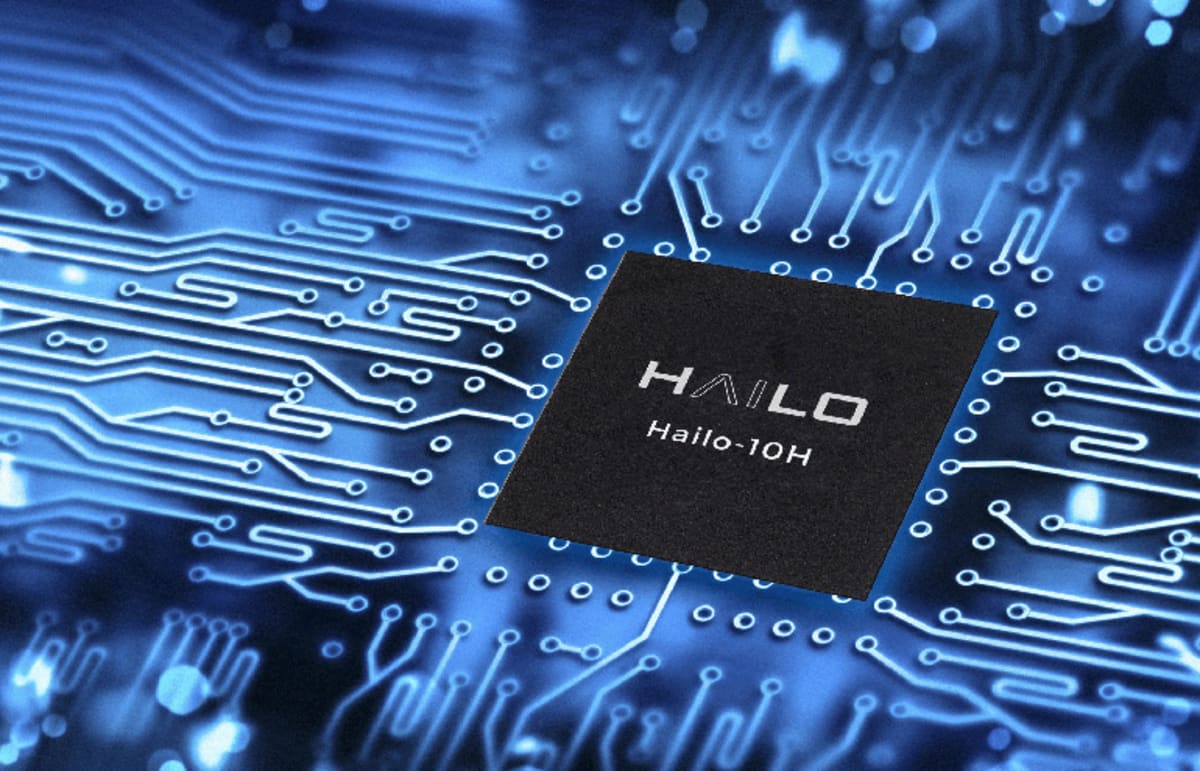
The technology powering these breakthroughs is advancing rapidly, with edge AI processors enabling sophisticated decision-making in compact, energy-efficient packages. As costs continue falling and capabilities keep improving, specialized robots will become as common in our daily lives as smartphones—each one excellent at its job, even if it can't do everything.
More Images


Based on reporting by The Robot Report
This story was written by BrightWire based on verified news reports.
Spread the positivity!
Share this good news with someone who needs it