AI Shows Birds Dodge Wind Turbines With Zero Collisions
After 19 months of AI monitoring at a Scottish wind farm, researchers discovered birds naturally steer clear of turbine blades with perfect precision. The findings completely overturned eight-year-old predictions that assumed birds couldn't avoid the spinning structures.
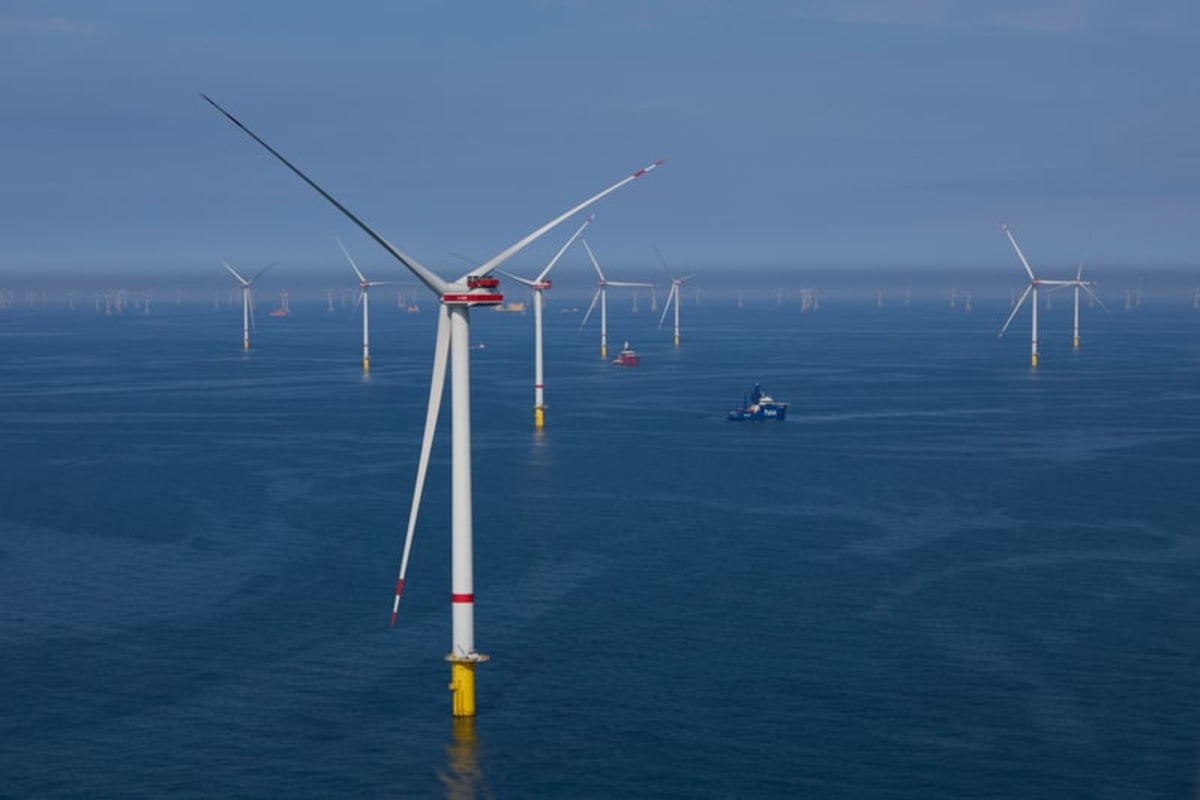
Birds are smarter than we thought, and the proof is spinning 450 feet above the Scottish coast.
For years, environmentalists have sounded alarms about wind turbines killing thousands of birds through collisions. The narrative seemed settled: wind energy meant unavoidable bird deaths. But new evidence from Scotland's Aberdeen Offshore Wind Farm is rewriting that story entirely.
Swedish energy company Vattenfall partnered with biodiversity tech firm Spoor to do something rarely attempted before. They mounted AI-powered cameras on one of their turbines and watched birds continuously for 19 months, capturing over 2,000 flight paths during 95% of daylight hours.
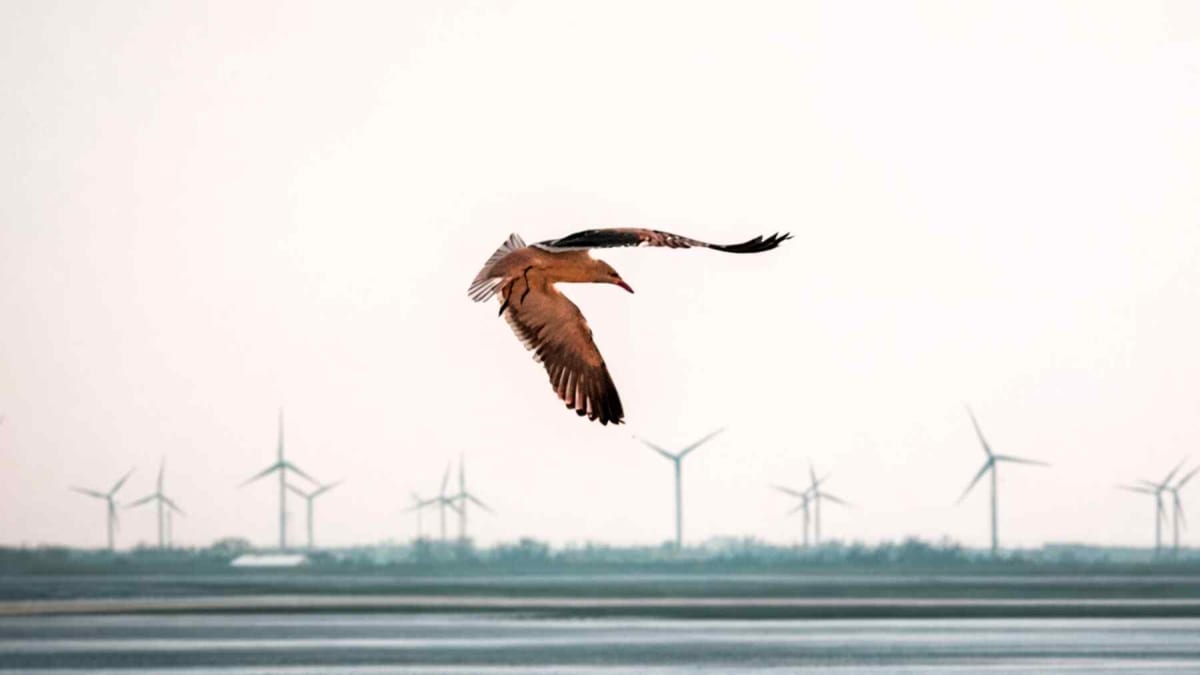
What they found stunned everyone involved. Birds weren't stumbling into turbine blades by accident or luck. They were actively avoiding them with remarkable precision, steering 350 to 450 feet clear of the spinning structures.
The collision count after nearly two years? Zero. Not a single recorded birdstrike.
Back in 2018, traditional modeling predicted eight birds would die per turbine each year at this location. The AI tracking revealed the actual statistical estimate was 0.002 collisions. Those earlier predictions weren't just slightly off. They were catastrophically wrong.
The difference wasn't that birds suddenly got smarter or that turbines became safer. The difference was how researchers looked at the problem. Traditional assessments relied on human observers standing on shore or mathematical models built on assumptions. They simply couldn't capture what birds were actually doing in real time.
The Bright Side
This discovery means the conflict between renewable energy and wildlife might be far less severe than we feared. Birds treat turbines as predictable landmarks, making split-second micro-adjustments that keep them safe. Their natural spatial awareness works perfectly fine around these structures.
The implications extend beyond one wind farm in Scotland. How many other green energy solutions are we hesitating to build based on outdated assumptions rather than real-world evidence? How many climate solutions are stalled because we're using obsolete monitoring methods?
Vattenfall is now proving that fossil-free energy and thriving wildlife can coexist. The company's mission is enabling fossil-free living within one generation, and this research shows they're not sacrificing biodiversity to get there. They're using better technology to understand what's actually happening rather than assuming the worst.
The seabirds around Aberdeen are going about their lives completely undisturbed, fishing and flying as they always have. Modern energy infrastructure can operate with a negligible footprint on the natural world when we actually measure what's happening instead of guessing.
Based on reporting by Google News - Wind Energy
This story was written by BrightWire based on verified news reports.
Spread the positivity!
Share this good news with someone who needs it