AI Shows Promise in Healthcare, But Access Remains Key
Artificial intelligence could help doctors detect diseases earlier and make medical knowledge more accessible to underserved areas. The real challenge isn't just building smarter technology—it's making sure those breakthroughs reach the people who need them most.
A Jesuit priest in rural Kenya recently posed a question that Silicon Valley rarely considers: can AI fix the everyday problems that keep life-saving innovations from reaching real people?
Father Melchior Marandu wasn't dismissing technology's potential at his September book launch 200km west of Nairobi. He was pointing to a gap that matters more than we admit. An algorithm might discover a breakthrough treatment in a California lab, but that doesn't help if supply chains, staff shortages, or costs keep it from rural clinics.
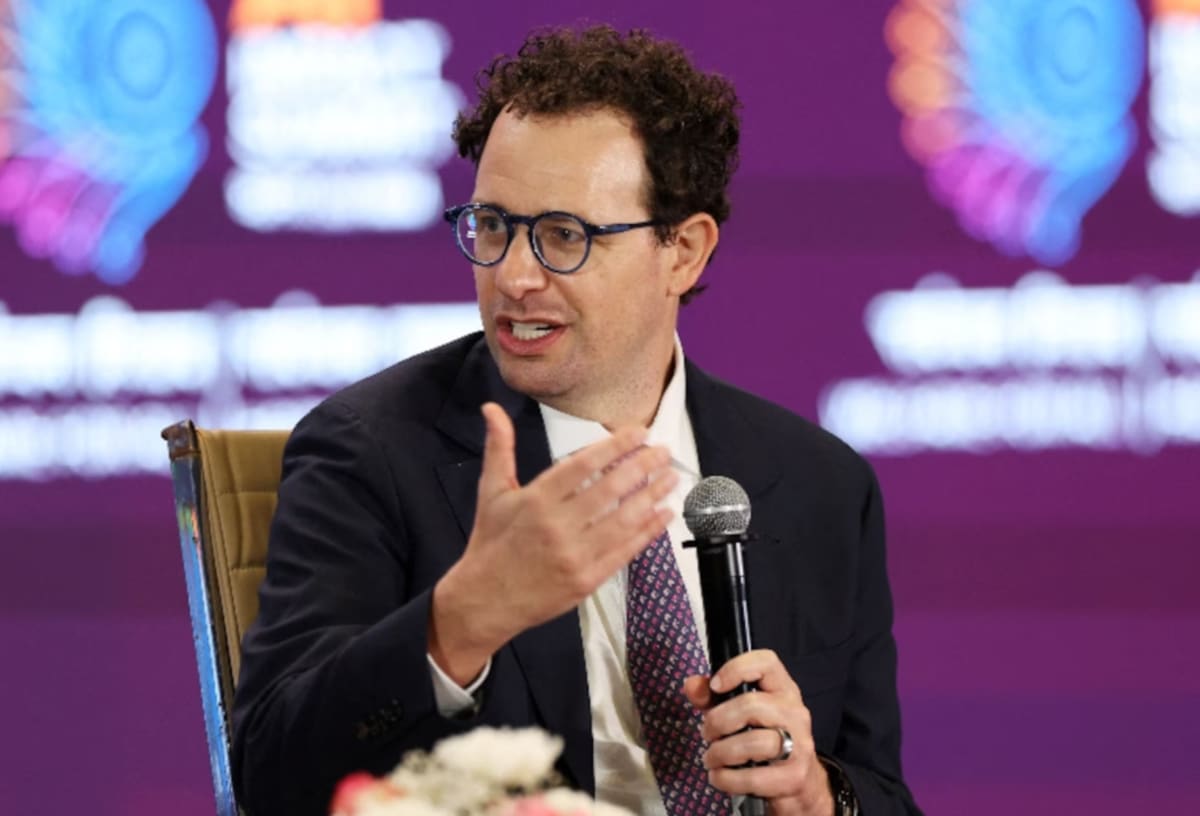
The AI industry itself is wrestling with these tensions. Dario Amodei, who leads the AI company Anthropic, knows this personally. His father died from a disease that became curable just years later, and Amodei himself survived early-stage cancer thanks to medical advances.
That experience drives his belief that AI could genuinely help doctors detect diseases earlier and accelerate research. He's calling for slower development paired with stronger safeguards, acknowledging that "we still only understand a tiny fraction of what goes on inside these models."
The promise is real and worth taking seriously. AI tools that help diagnose illnesses in places where medical expertise is scarce or expensive could make a meaningful difference. Systems that make scientific knowledge more accessible could improve care for millions.
But capability alone doesn't guarantee progress. A diagnostic tool might work brilliantly in testing yet remain unaffordable for the hospitals that need it most. An innovation might save time in well-funded clinics while never reaching under-resourced communities.
Why This Inspires
The conversation is finally shifting from "what can AI do?" to "who benefits from what AI does?" That question matters because technology only improves lives when it reaches the people who need it.
Amodei's call for external evaluation and coordination among companies and governments suggests the industry is starting to think beyond raw capability. His proposal creates space for asking whether the systems being built will actually translate into better, more equitable care.
The real measure of progress won't be how intelligent these systems become—it will be whether a clinic in rural Kenya can use them as easily as a research hospital in California. That's the unglamorous work that determines if innovation becomes impact.
More Images


Based on reporting by TechCabal
This story was written by BrightWire based on verified news reports.
Spread the positivity!
Share this good news with someone who needs it