AI Slashes Drug Development Time at UVA
University of Virginia researchers created AI tools that could transform how quickly life-saving medications reach patients. Their system designs drugs by simulating how proteins actually move in the body, not just frozen snapshots.
Getting new medications to patients who desperately need them currently takes over a decade and costs nearly $3 billion per drug. University of Virginia scientists just unveiled AI technology that could dramatically change that timeline.
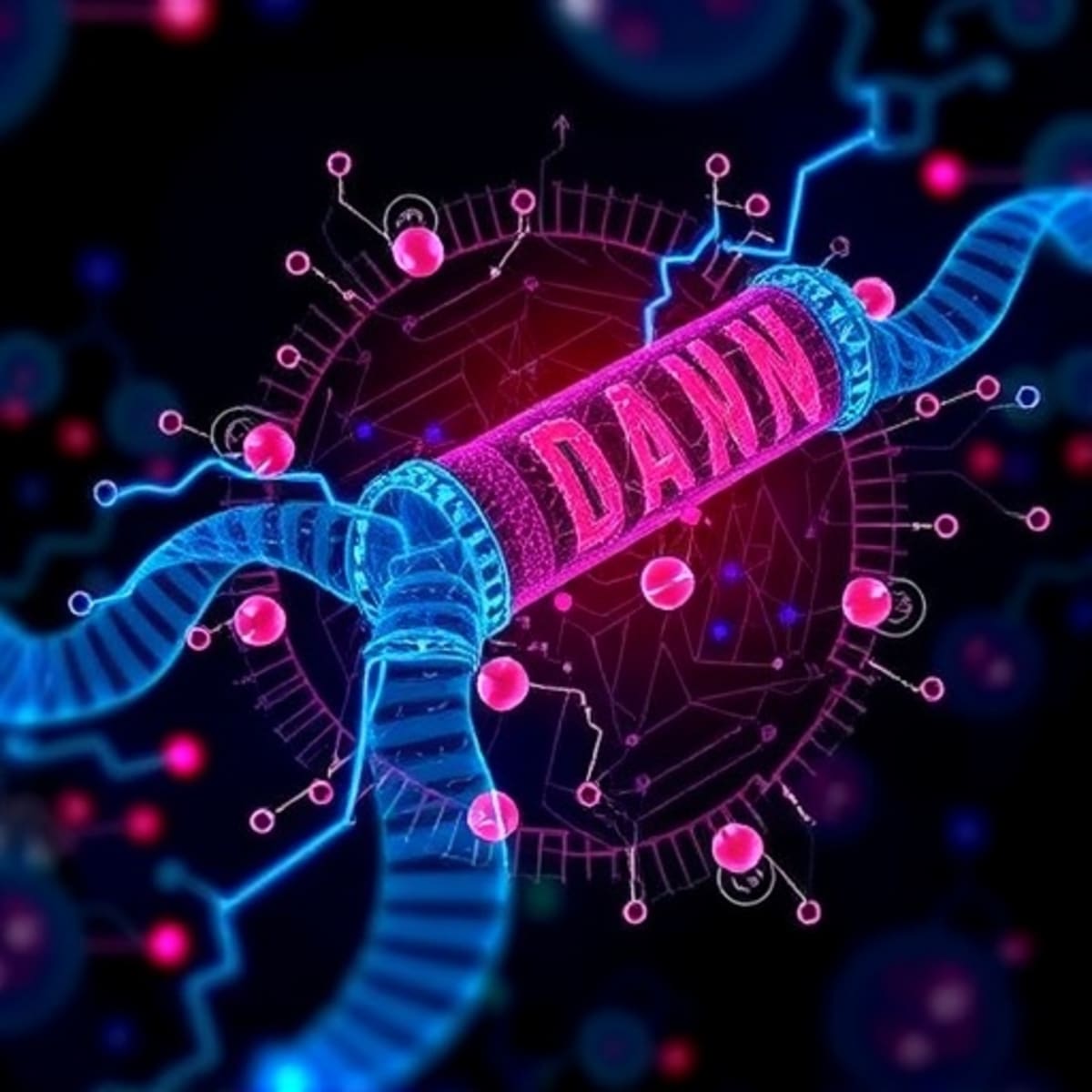
Dr. Nikolay V. Dokholyan and his team developed YuelDesign, an artificial intelligence system that thinks about drug development completely differently than traditional methods. Instead of treating proteins like static objects, it watches how they shift and change shape in real time.
That difference matters more than you might think. Conventional drug design relies on frozen images of proteins, like designing a key from a photograph of a lock. But proteins constantly move and reshape themselves in living bodies, which is why 90% of promising drugs fail during clinical trials.
YuelDesign solves this by letting the drug candidate and its protein target adapt to each other during the design process, mimicking what actually happens in your cells. Two companion tools make it even more powerful: YuelPocket identifies the best spots on proteins for drugs to attach, while YuelBond ensures the designed molecules can actually be manufactured in the real world.
The system already proved itself with CDK2, a protein involved in cancer cell growth that's notoriously difficult to target. YuelDesign created drug candidates that recognized the protein's natural flexibility, something previous approaches struggled to achieve.
The Ripple Effect
The UVA team isn't keeping this breakthrough behind paywalls or patents. They're making all three tools freely available to researchers worldwide, from university labs to pharmaceutical companies.
That open access could accelerate treatment development for diseases that have stumped scientists for decades. Cancer, neurological disorders, and conditions with hard-to-target proteins might finally have new therapeutic options within reach.
The approach represents a fundamental shift from trial-and-error drug hunting to precision design grounded in biological reality. Machine learning meets molecular science in a way that mirrors how life actually works at the atomic level.
Funding from the National Institutes of Health and National Science Foundation supported the research, reflecting growing recognition that AI and medicine together can tackle challenges neither could solve alone.
For patients waiting for treatments that don't yet exist, this technology offers something genuinely hopeful: a faster path from laboratory discovery to actual healing.
More Images
Based on reporting by Google News - AI Breakthrough
This story was written by BrightWire based on verified news reports.
Spread the positivity!
Share this good news with someone who needs it