AI Smartwatch System Helps Young Cancer Survivors Thrive
European researchers are developing a smartphone and smartwatch system that helps young cancer survivors monitor their health every day, not just during rare hospital visits. The AI platform addresses late treatment effects that can emerge years after recovery.
Beating cancer should feel like crossing a finish line, but for young survivors, it's often just the start of a new challenge.
Doctors have known for years that cancer treatments can cause health problems long after someone is declared cancer-free. Heart disease, fertility issues, chronic fatigue, anxiety, and depression can all appear months or even years later, often during crucial life moments like starting college, launching a career, or planning a family.
Now, a team of 19 organizations across Europe is building a solution that fits in your pocket. The LATE-AYA project is creating an AI-powered system using smartphones and smartwatches to help young cancer survivors track their health in real time.
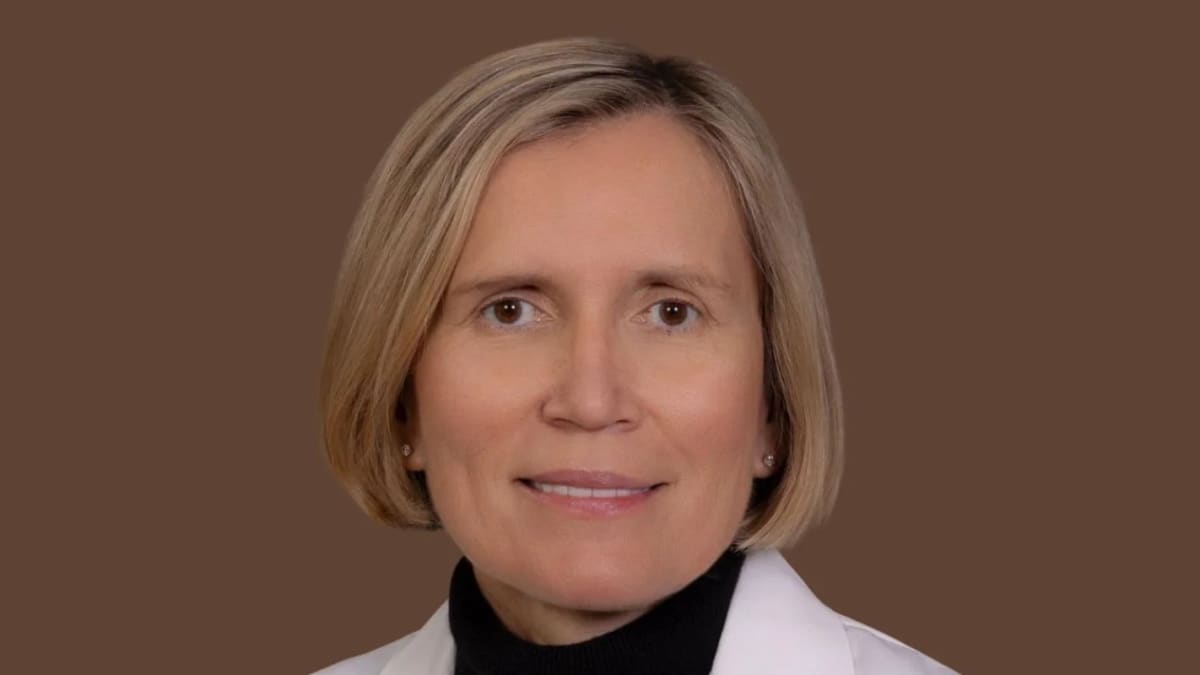
Professor Asta Pundzienė of Kaunas University of Technology in Lithuania presented the project at a recent European webinar on cancer survivorship. She explained that the hardest period for many survivors comes between medical appointments. During treatment, patients see doctors constantly. Afterward, they might wait a month between checkups, left wondering whether every new ache or pain signals something serious.
The new digital platform combines smart sensing technology, AI-driven risk prediction, a chatbot, coaching, and education tools. But researchers aren't starting with what technology can do. They're starting with what survivors actually need.
Patient advocate Katiana Maloli, herself a cancer survivor and psychologist, shared her own story at the webinar. She learned only years after treatment that she needed regular heart checkups because her cancer therapy could damage her heart. Many survivors, she noted, are expected to manage their long-term health without enough information or support.
The Ripple Effect
With childhood and adolescent cancer cure rates now reaching around 80 percent, more young people than ever are living decades beyond their diagnosis. That growing survivor population needs solutions that work in everyday life, not just in the doctor's office.
The LATE-AYA platform will monitor not only physical symptoms but also psychological and social wellbeing. Running through 2030, the project includes testing phases where survivors will use the actual digital tools researchers are developing. Lithuania's National Cancer Institute is participating alongside the Technical University of Madrid, which coordinates the effort.
The goal is simple but powerful: help young cancer survivors understand how to live and care for themselves after active treatment ends. Instead of feeling abandoned between appointments, they'll have personalized guidance in their pockets, available whenever worry strikes or questions arise.
Technology is finally catching up to what survivors have needed all along: a healthcare companion that never clocks out.
Based on reporting by Google News - New Treatment
This story was written by BrightWire based on verified news reports.
Spread the positivity!
Share this good news with someone who needs it