AI Solves 80-Year Math Mystery That Stumped Experts
An artificial intelligence model just cracked a famous math problem that's puzzled brilliant minds since 1946, marking the first time AI has independently solved a major mathematical mystery. Even more exciting: the breakthrough is already inspiring human mathematicians to push the discovery even further.
For eight decades, one of math's most intriguing puzzles sat unsolved, challenging the brightest minds in the field. Last week, an AI shocked the mathematical world by finding the answer all on its own.
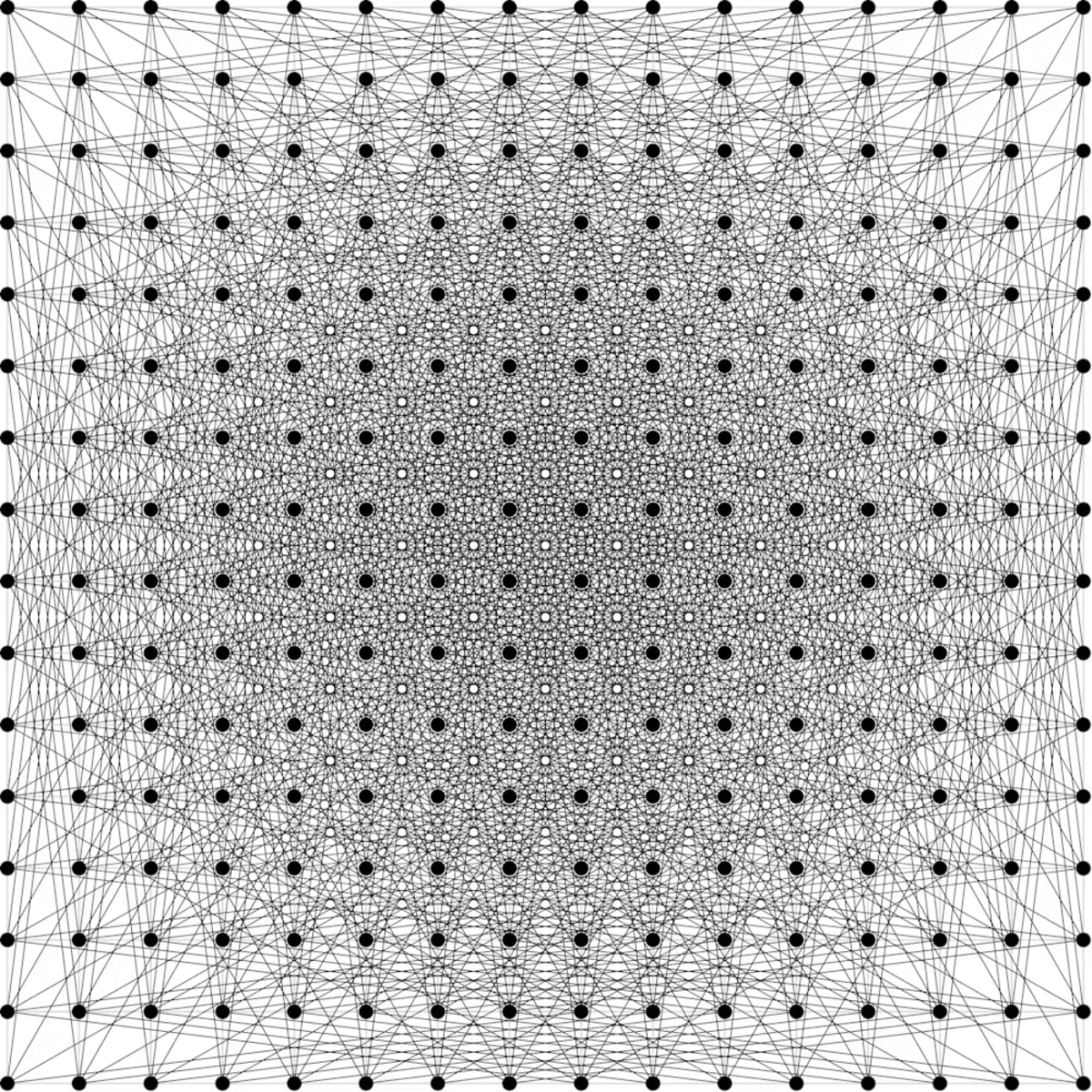
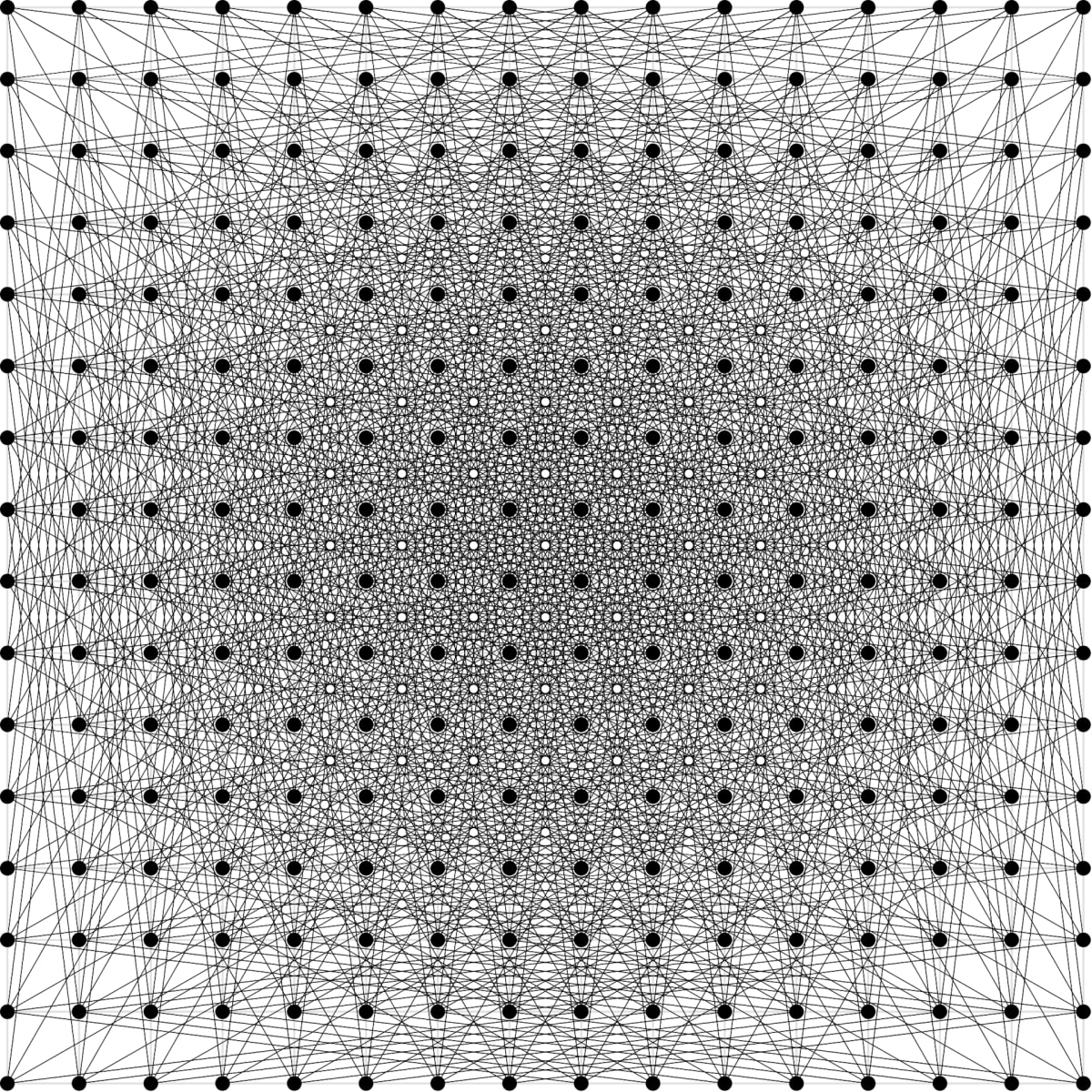
The problem, posed by legendary Hungarian mathematician Paul Erdős in 1946, asked a deceptively simple question: if you arrange dots on an infinite piece of paper, how many pairs can you place exactly one unit apart? Mathematicians believed for years that a simple square grid was the best solution.
They were wrong. OpenAI's artificial intelligence model discovered patterns that work far better than the grid, proving Erdős' original hunch incorrect and solving what's known as the "planar unit distance problem."
What makes this breakthrough truly special isn't just that AI solved a hard problem. It's that the solution impressed experts so much that Fields Medalist Timothy Gowers said he'd recommend publishing it in one of math's most prestigious journals "without any hesitation." No AI-generated proof had ever come close to this level of sophistication before.
The AI worked differently than human mathematicians typically do. It combed through vast libraries of mathematical knowledge, connecting ideas from different areas that humans might not have linked together. Within days of the announcement, human mathematician Will Sawin followed the AI's reasoning and improved the result even further.
The Ripple Effect
This discovery is already changing how mathematical research happens. A Google DeepMind team used similar AI tools to solve nine other open problems left by Erdős. Human experts are now partnering with AI systems that can explore thousands of dead ends without fatigue, freeing mathematicians to focus on creative leaps and insights.
The breakthrough shows AI excels at sustained effort and encyclopedic knowledge. It can follow countless speculative paths that would exhaust human researchers. When Canadian mathematician Daniel Litt called it "the first result produced autonomously by an AI that I find interesting in itself," he captured why this matters beyond just one solved problem.
The collaboration between human creativity and AI persistence is opening new frontiers in mathematics, turning problems once thought impossible into solved mysteries.
More Images



Based on reporting by Singularity Hub
This story was written by BrightWire based on verified news reports.
Spread the positivity!
Share this good news with someone who needs it