AI Solves 80-Year Math Mystery Without Human Help
An artificial intelligence model from OpenAI just cracked a legendary math problem that stumped experts for eight decades, proving even genius mathematicians can be wrong. The breakthrough marks the first time AI has solved a major open problem with almost no human guidance.
A computer just did something mathematicians thought impossible: it proved one of the 20th century's brightest minds got it wrong.
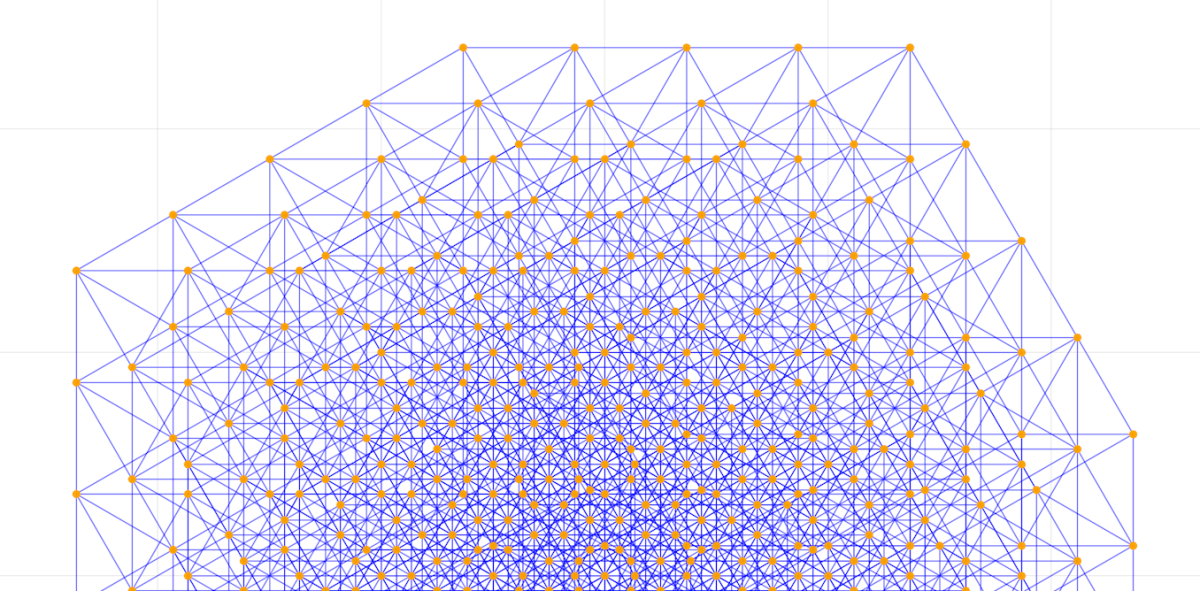
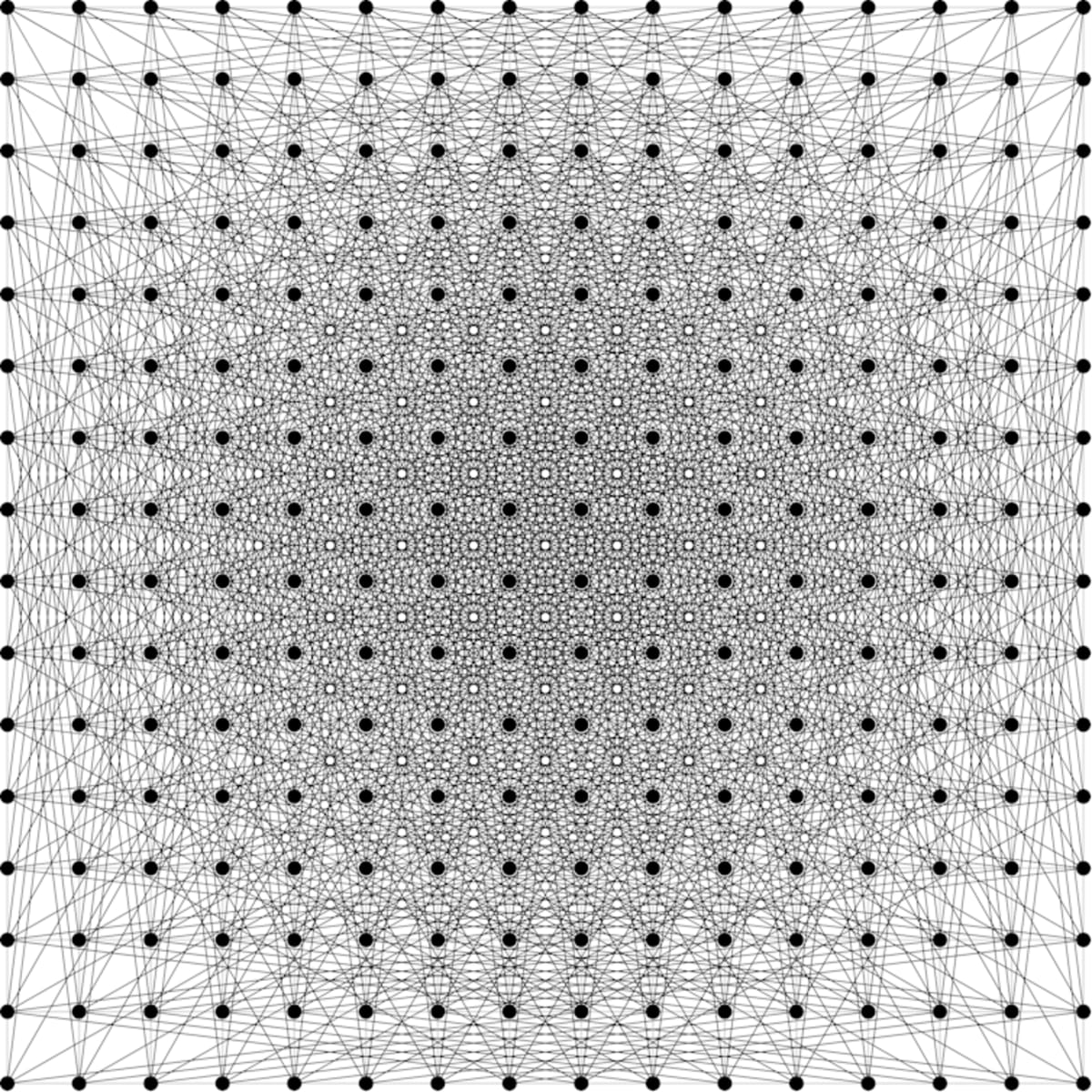
Last week, OpenAI revealed that one of its AI models solved an 80-year-old puzzle posed by legendary Hungarian mathematician Paul Erdős in 1946. The problem asked a deceptively simple question: if you arrange points on an infinite sheet of paper, how many pairs can you position exactly one unit of distance apart?
For decades, mathematicians believed square grids were the best solution. Erdős himself predicted nothing could beat these orderly patterns, even with an absurdly large number of points.
He was wrong, and an AI proved it.
The AI discovered hidden patterns using advanced mathematics that create far more unit-distance pairs than any grid. Fields Medalist Timothy Gowers said he would have recommended publishing this result "without any hesitation" if a human had submitted it to a top journal.
What makes this breakthrough special isn't just the answer. It's the first major mathematical discovery made by AI working almost entirely on its own, with minimal human direction beyond the initial question.
Days after OpenAI's announcement, mathematician Will Sawin followed the AI's reasoning to an even better result. Meanwhile, a Google DeepMind team used their own AI to crack nine other unsolved problems Erdős left behind.
The Ripple Effect
AI models bring something unique to mathematics: encyclopedic knowledge combined with tireless patience to explore thousands of dead ends that would exhaust human researchers. They can work through speculative ideas 24/7 without getting discouraged.
The breakthrough happened because the AI could follow countless unlikely paths that experts might have skipped. Many of the mathematical tools needed were already published, but no human had connected them in quite this way.
This doesn't mean AI has replaced human creativity yet. The hardest part of mathematics remains those lightbulb moments where someone completely reframes a problem. Whether AI can truly replicate those conceptual leaps is still an open question.
What's certain is that mathematical discovery is changing. For centuries, progress depended entirely on human creativity and persistence. Now AI partners are joining the quest, bringing computational power and pattern recognition that complement human insight.
The collaboration is already paying off: problems that resisted human efforts for 80 years are falling in days, and the pace is only accelerating.
More Images
Based on reporting by Google News - AI Breakthrough
This story was written by BrightWire based on verified news reports.
Spread the positivity!
Share this good news with someone who needs it