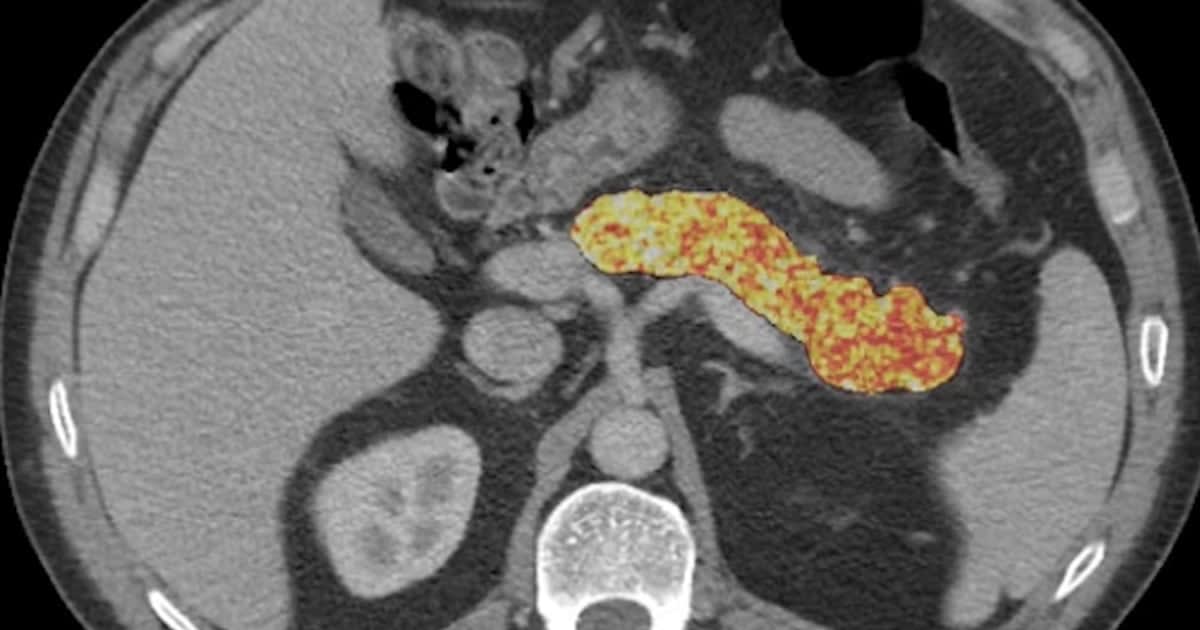
AI Spots Pancreatic Cancer 3 Years Before Diagnosis
A groundbreaking AI model can detect pancreatic cancer on CT scans up to three years before tumors become visible, offering hope for one of the deadliest cancers. The Mayo Clinic tool is three times better than human radiologists at catching early warning signs.
For decades, pancreatic cancer has been a devastating diagnosis because by the time doctors find it, it's usually too late. Now, artificial intelligence is changing that story in a way that could save thousands of lives.
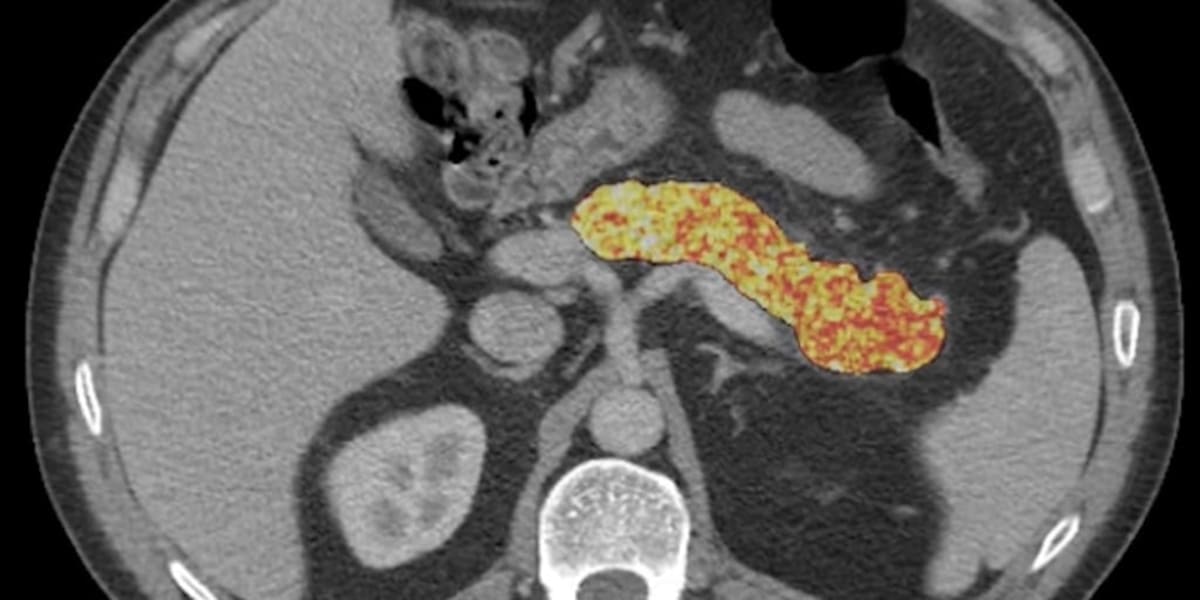
Researchers at the Mayo Clinic in Rochester, Minnesota, developed an AI model that spotted abnormalities on CT scans up to three years before patients were officially diagnosed with pancreatic cancer. The findings, published this week in the journal Gut, show the technology is three times better than expert radiologists at catching these early warning signs.
The breakthrough matters because pancreatic cancer has only a 13% five-year survival rate. Around 80% of patients learn they have the disease after it has already spread, when treatment options become limited.
"We knew, based on the biology of the disease, that this is not something which is coming all of a sudden," said Dr. Ajit Goenka, a Mayo Clinic radiologist who led the study. "We knew that the signal was there. We just needed to find a way to be able to detect it."
The researchers trained their AI by feeding it CT scans from patients who had been screened for other conditions and later developed pancreatic cancer. The model learned to recognize subtle patterns invisible to the human eye, including abnormal cells that shield cancer from the body's immune system.
Unlike breast or colon cancer, there's no routine screening for pancreatic cancer in healthy people. The pancreas sits deep in the abdomen, making lumps impossible to feel. Symptoms like stomach pain and weight loss typically don't appear until the cancer has already spread to other organs.
Dr. Daniel Jeong, a diagnostic radiologist at Moffitt Cancer Center who wasn't involved in the research, sees these scans every day. "We're really looking for a measurable mass that could represent the cancer," he explained. "So these tumors need to grow to a certain level to become visible."
The Ripple Effect
The AI model could transform care for people at high risk due to family history or diabetes. Doctors could use it to identify patients who need closer monitoring through additional blood work and imaging, catching cancer when surgery and other treatments still work.
Dr. Pam Hodul, a surgical oncologist at Moffitt Cancer Center, sees enormous potential. "This really could be a game changer for us for early detection," she said.
The technology joins other promising advances in pancreatic cancer research. Last month, an experimental mRNA vaccine prolonged survival in eight patients. A drug called daraxonrasib doubled life expectancy in clinical trials, and the FDA just allowed expanded access for patients who have exhausted other options.
The Mayo Clinic's AI tool is now being tested in a clinical trial that will follow participants for three to five years. While it could be a while before it reaches hospitals nationwide, researchers are optimistic about what it represents.
"In a disease where we have been just wandering in darkness for decades, this is a milestone that shows us the finish line," Goenka said.
More Images



Based on reporting by Google News - Health
This story was written by BrightWire based on verified news reports.
Spread the positivity!
Share this good news with someone who needs it