Shanghai Medical Fair Debuts Brain Implant and Surgical Robots
Over 300,000 healthcare innovators from 150 countries gathered in Shanghai to unveil breakthrough medical technologies that will transform patient care. The world's first invasive brain-computer interface and advanced surgical robots signal a new era in precision medicine.
The world just got a glimpse of medical treatments that seemed impossible a decade ago, and the innovations unveiled in Shanghai could help millions of patients access better care.
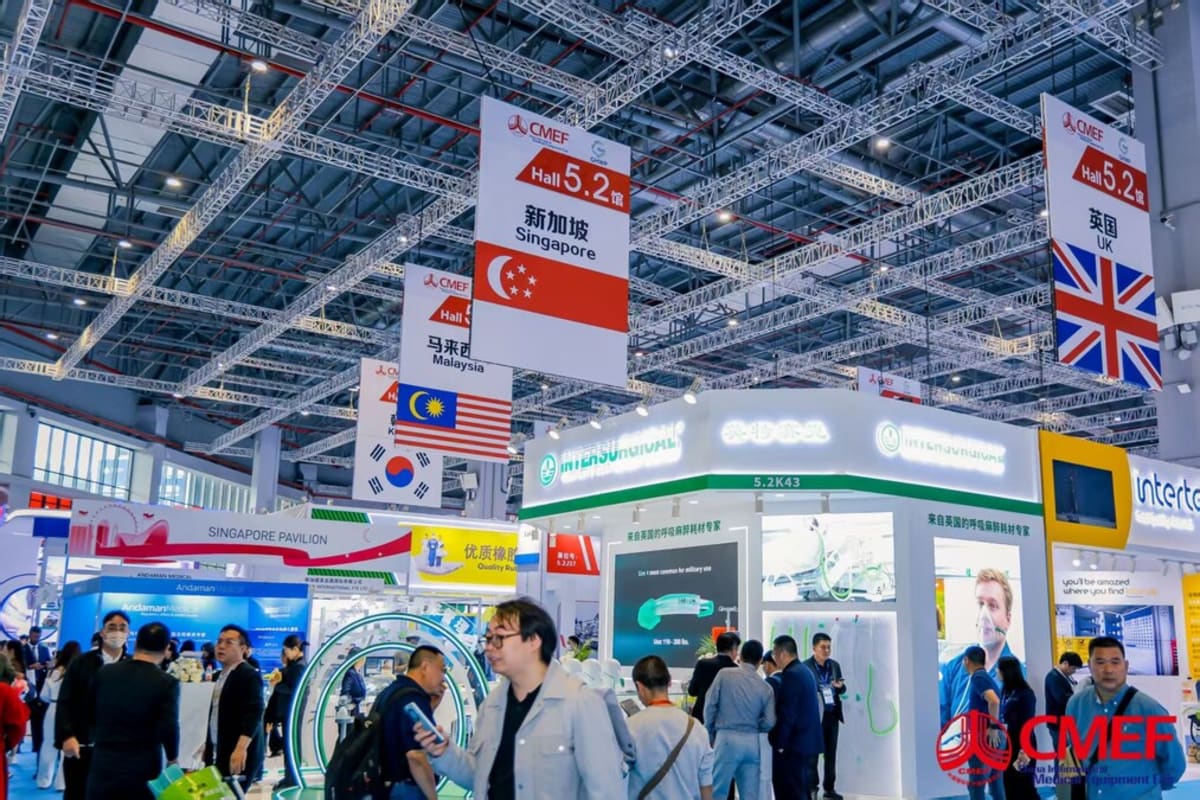
The 93rd China International Medical Equipment Fair wrapped up April 12 after bringing together healthcare pioneers from more than 150 countries. Over four days, companies from 20 nations launched cutting-edge medical devices that push the boundaries of what doctors can do for their patients.
The "Future Tech Arena" stole the show with game-changing debuts. Engineers revealed the world's first invasive brain-computer interface, a device that could restore movement and communication for people with paralysis or severe neurological conditions. Surgical robots designed to give surgeons superhuman precision also made their first public appearances alongside ultra-high-definition wide-body CT scanners that can detect diseases earlier than ever before.
More than 100 expert forums tackled how to turn these innovations into real-world treatments. Healthcare leaders discussed artificial intelligence in medicine, regulatory pathways to get devices approved faster, and strategies to make advanced care affordable for aging populations worldwide.
The fair didn't just showcase finished products. It created connections between researchers, hospitals, and manufacturers that will speed up the journey from laboratory breakthrough to patient bedside. Sessions on global market access helped companies understand how to navigate regulations in different countries, clearing the path for innovations to reach patients everywhere.
International collaboration took center stage with special sessions focused on markets in Russia, Brazil, and Southeast Asia. Representatives from hospitals and health ministries in Sweden, Finland, and Italy toured exhibits to identify technologies their countries could adopt. The message was clear: medical breakthroughs work best when they cross borders freely.
The Ripple Effect
These advances represent more than impressive engineering. When surgical robots make procedures safer and recovery faster, patients return to their families sooner. When brain-computer interfaces restore communication, they rebuild relationships that seemed lost forever. When better imaging catches cancer earlier, survival rates climb and treatment becomes less invasive.
The fair's emphasis on turning research into commercial reality means these technologies won't gather dust in laboratories. Companies learned how to manufacture devices at scale, meet safety standards across different countries, and price innovations so hospitals can actually afford them.
With follow-up events scheduled in Malaysia, Hong Kong, and Beijing, the momentum continues. The next fair in October will bring even more countries and companies together to share what works and solve problems collaboratively.
Healthcare innovation just accelerated, and patients around the world stand to benefit from the connections made and technologies unveiled in Shanghai this spring.
More Images


Based on reporting by Google News - Medical Breakthrough
This story was written by BrightWire based on verified news reports.
Spread the positivity!
Share this good news with someone who needs it