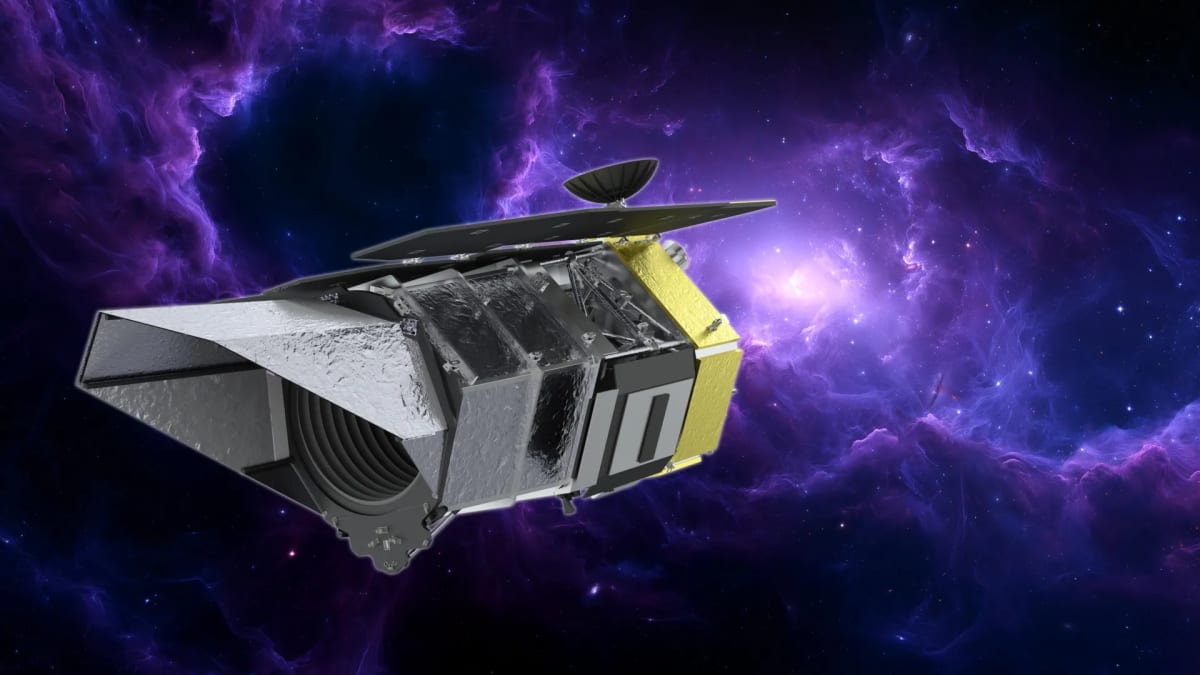
NASA Satellite Maps Mexico City's Sinking Ground
A powerful new satellite is tracking Mexico City's land subsidence in real time, showing how advanced space technology can help cities protect millions of people from infrastructure damage. The mission proves we now have the tools to monitor Earth's changes like never before.
A groundbreaking satellite mission is giving Mexico City something it desperately needs: a clear picture of exactly where and how fast the ground beneath 20 million people is sinking.
The NISAR satellite, launched in July 2025 by NASA and India's space agency, has mapped subsidence across Mexico's capital with unprecedented detail. Between October 2025 and January 2026, some areas sank more than half an inch per month.
Mexico City sits atop an ancient lakebed, and decades of pumping groundwater to support the sprawling metropolis have caused the ground to compact steadily since at least 1925. By the 1990s and 2000s, parts of the city were dropping 14 inches annually, cracking roads, damaging buildings, and fracturing the Metro system that millions depend on daily.
The Angel of Independence monument tells the story in miniature. Built in 1910 standing 114 feet tall, the landmark has required 14 steps added to its base as the surrounding land gradually sank away.
What makes NISAR special is its ability to see through clouds, vegetation, and darkness using L-band radar technology. Previous satellites struggled to track subsidence in densely vegetated or challenging terrain, but NISAR's 39-foot reflector passes overhead multiple times monthly, capturing changes as subtle as crops growing or glaciers sliding.
"We're going to see an influx of new discoveries from all over the world," said David Bekaert, a project manager on the NISAR science team. The satellite's consistent global coverage means no blind spots.
The Ripple Effect
The technology works anywhere land meets rising seas, which matters for coastal cities worldwide facing the double threat of sinking ground and climbing ocean levels. Houston, Jakarta, and Bangkok all struggle with subsidence, and NISAR can now track all of them reliably.
For Mexico City, having precise subsidence maps means engineers and planners can target interventions where they're needed most. Water infrastructure can be reinforced before it fractures, and transit routes can be monitored before damage becomes catastrophic.
The satellite carries two radar instruments at different wavelengths, the first mission ever to do so. It monitors Earth's entire land and ice surface twice every 12 days, creating an ongoing record of how our planet's surface moves and changes.
NISAR represents what happens when nations collaborate on solving shared challenges, and now cities everywhere have a powerful ally watching from above.
More Images


Based on reporting by NASA
This story was written by BrightWire based on verified news reports.
Spread the positivity!
Share this good news with someone who needs it