AI Surgery Tool Detects Bleeding to Save Lives in Real Time
Wayne State University just patented breakthrough technology that uses artificial intelligence to spot dangerous bleeding during surgery before it becomes life-threatening. The system could save countless lives and transform how over 9,000 surgical robots across America keep patients safe.
Surgeons now have a powerful AI partner watching their backs during some of medicine's most delicate moments.
Wayne State University earned a U.S. patent in May 2026 for technology that detects dangerous arterial bleeding during minimally invasive surgery in real time. The system uses computer vision and machine learning to spot bleeding sources instantly, then shows surgeons exactly where to act using augmented reality overlays on their screens.
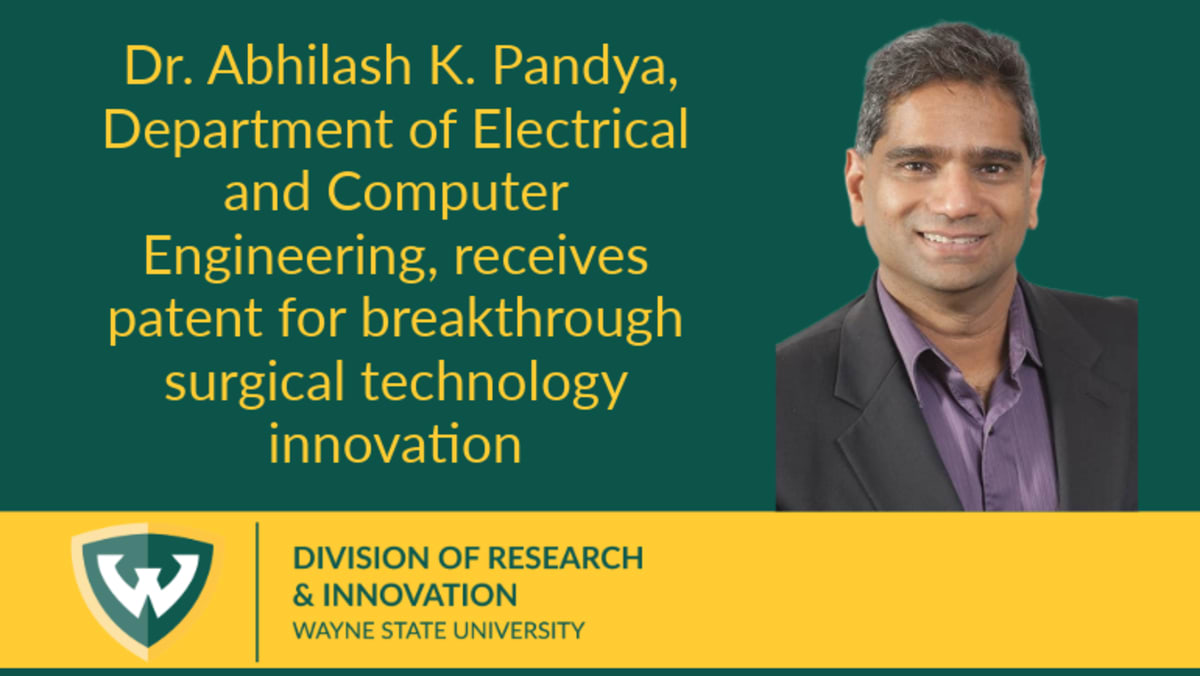
Dr. Abhilash Pandya, a professor of electrical and computer engineering, led the research that addresses one of surgery's most frightening complications. When unexpected bleeding floods the surgical field during robotic or laparoscopic procedures, doctors call it a "red out" because they literally cannot see what they're doing. These moments can turn routine surgeries deadly.
The patented system acts like a vigilant copilot. It analyzes the live surgical camera feed, identifies arterial bleeding the moment it starts, and pinpoints the exact location for the surgeon. Because it catches problems early, surgeons can stop bleeding quickly and precisely before patients lose dangerous amounts of blood.
The technology works as an add-on to existing surgical robots, which means hospitals won't need to replace their equipment. Over 2,000 robotic surgical systems and 7,000 laparoscopic systems already operate in U.S. hospitals, and all could potentially benefit from this innovation.
The Ripple Effect
The impact reaches far beyond the operating room. Fewer bleeding emergencies mean patients need fewer blood transfusions, which eases pressure on blood donation systems nationwide. Patients recover faster and go home sooner when complications don't extend their hospital stays.
Reduced surgery time and shorter hospitalizations also lower healthcare costs for families. Fewer complications mean fewer infections and less need for follow-up procedures. Each improvement creates another positive outcome for patients and healthcare systems.
Pandya sees this patent as just the beginning of AI-assisted surgery. He envisions artificial intelligence monitoring multiple factors during operations, from patient vital signs to surgeon fatigue, providing warnings that help prevent injuries before they happen.
Dean Ali Abolmaali of the James and Patricia Anderson College of Engineering praised the work as transformative research that demonstrates engineering's power to improve lives. The university's technology commercialization team is working to bring the innovation from laboratory to marketplace, ensuring the research creates real benefits for surgeons in Michigan and beyond.
This watchful technology represents a future where artificial intelligence doesn't replace human surgeons but makes them better, keeping patients safer when every second counts.
Based on reporting by Google News - Innovation Technology
This story was written by BrightWire based on verified news reports.
Spread the positivity!
Share this good news with someone who needs it