AI System Could Stop Construction Delays Before They Start
Researchers at the University of East London have designed a framework that uses artificial intelligence to predict construction problems and automatically adjust project schedules in real time. The system could transform an industry where major projects regularly run late and over budget.
What if construction projects could fix their own schedules the moment a problem appears, before costly delays pile up?
Researchers at the University of East London have mapped out how artificial intelligence could make this a reality. Their new framework, published in Frontiers in Built Environment, shows how existing technologies could work together to detect emerging risks and automatically adjust project plans before problems spread across a construction site.
Right now, construction projects generate massive amounts of warning data every day. Safety alerts flash, design clashes appear, supply delays emerge, and contractual risks pop up in different systems. But here's the problem: these systems don't talk to each other, and project schedules keep rolling along unchanged even when red flags appear everywhere.
Dr. Jawed Qureshi, the study's lead author and Senior Lecturer in Structural Engineering at UEL, compared it to driving while only looking in the rearview mirror. "Projects generate enormous amounts of warning data every day, but nothing in the schedule actually changes when these signals appear," he explained.
The researchers reviewed 60 peer-reviewed studies on AI in construction management and identified a crucial missing link. Projects have systems that predict risks and systems that optimize schedules, but they function like separate dashboards with no connection between them.
The solution they propose is what they call a "risk-to-constraint translation engine." When the system detects a safety hazard through computer vision, it could temporarily halt specific tasks. If it predicts a material delay, it could automatically reorganize dependent activities. When natural language processing identifies a contractual risk, it could build in additional time allowances.
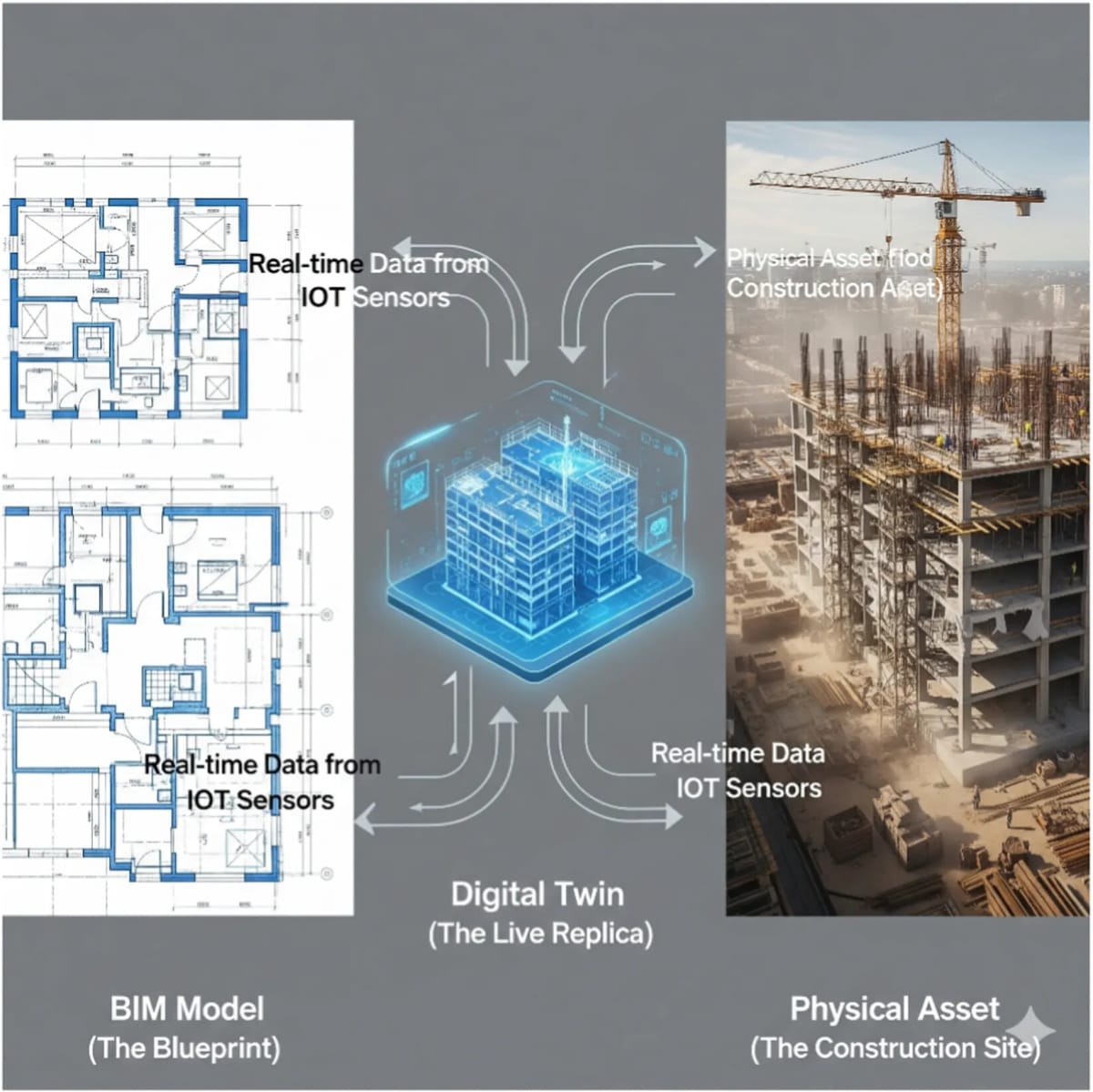
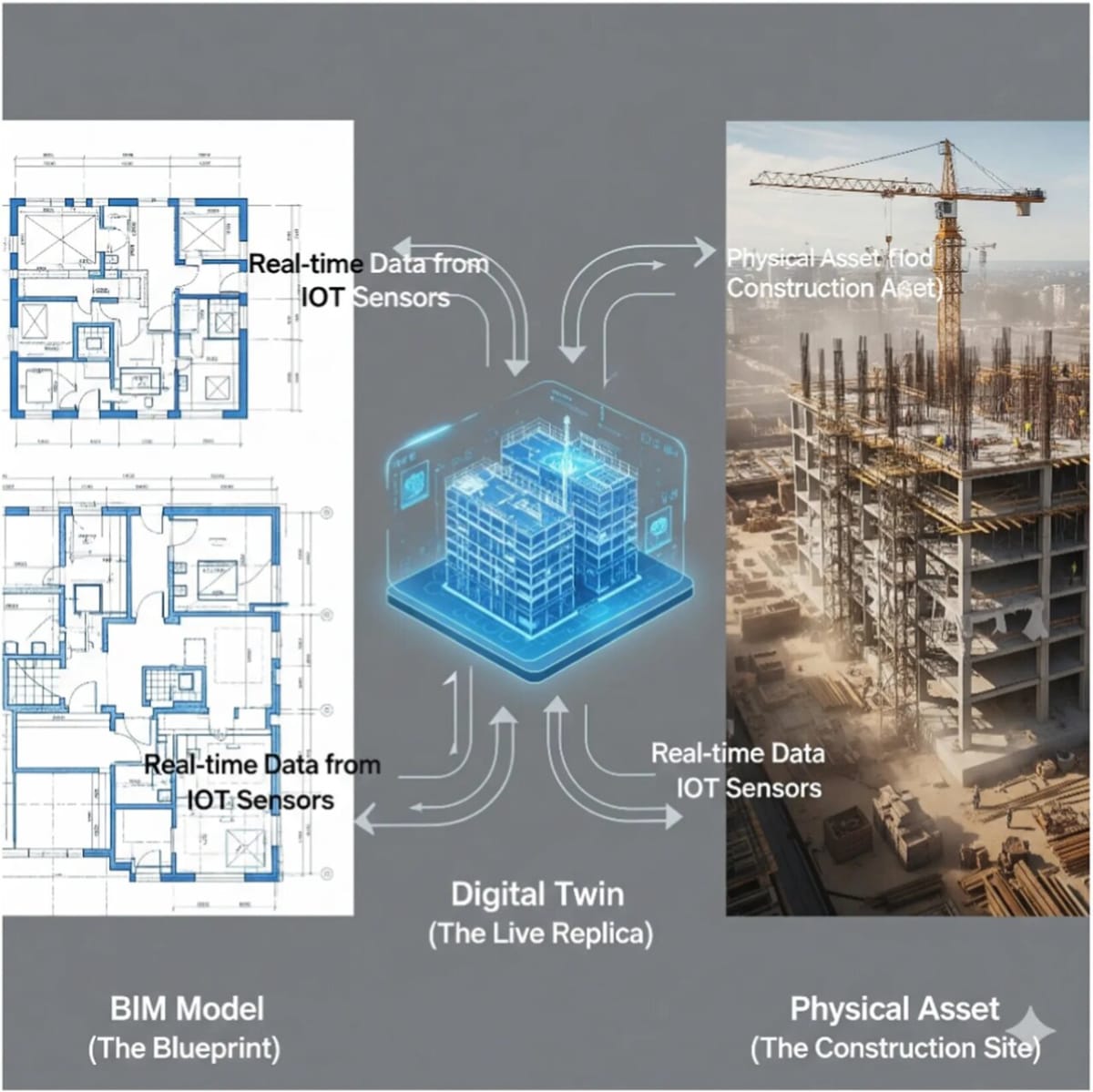
These changes would first play out in a digital twin, a virtual replica of the project. Managers could review the consequences and approve the best option before the real schedule gets affected, keeping human oversight firmly in place while closing the gap between early warning and action.
The Ripple Effect
The implications stretch far beyond individual building sites. UK construction productivity has lagged behind the wider economy for decades, and major infrastructure programs consistently run late or over budget despite growing investment in digital tools.
By linking prediction directly to action, projects could adapt to disruptions like supply shortages, safety issues, or design changes as they emerge rather than after delays accumulate. The shift from reactive to proactive management could help construction keep pace with the complex, data-rich projects becoming standard across the industry.
The researchers emphasize this is a conceptual framework, not a deployed system yet. Real-world testing and prototype development still lie ahead. But the approach offers a practical path forward because all the pieces already exist; they just need to be connected in ways they currently aren't.
The promise is simple but powerful: technology that prevents problems instead of just tracking them as they unfold.
More Images
Based on reporting by Phys.org - Technology
This story was written by BrightWire based on verified news reports.
Spread the positivity!
Share this good news with someone who needs it