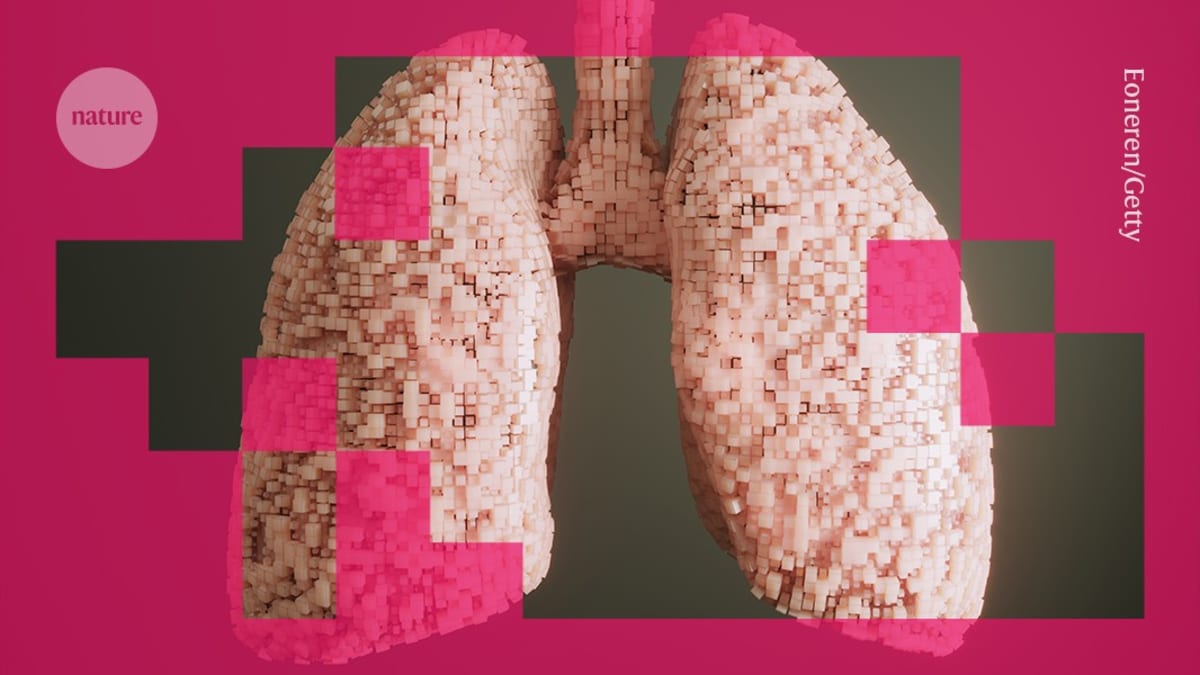
AI Team Discovers Promising Lung Cancer Treatment
A virtual team of 37,000 AI agents working together like a biotech company identified a promising new approach to treating lung cancer. The breakthrough shows how artificial intelligence could dramatically speed up the search for life-saving medications.
Scientists at Stanford University just showed us a glimpse of the future of medicine, and it's both incredibly fast and potentially life-saving.
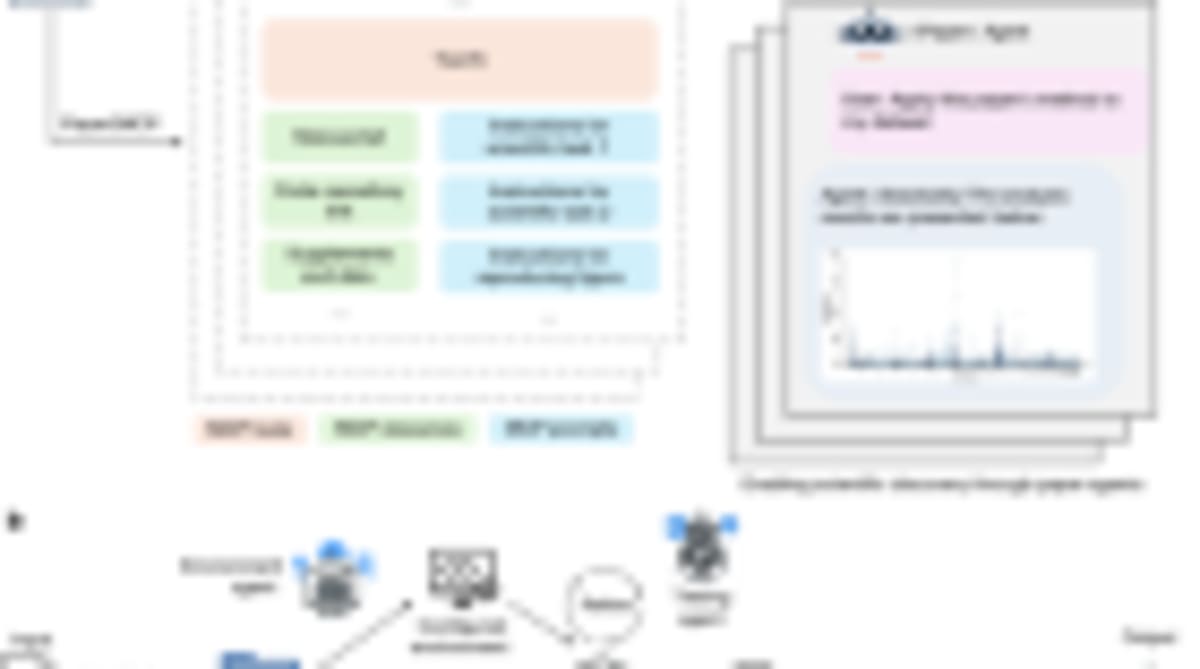
Researcher James Zou and his team built something called the Virtual Biotech, an AI system that works like a pharmaceutical company with 37,000 employees. Unlike humans, these AI agents work around the clock without breaks, meals, or sleep, all focused on one goal: finding better treatments for diseases.
The system mimics a real biotech company's structure. One AI acts as chief scientific officer, directing other AI "employees" in specialized departments like target identification and clinical trial design. Each agent tackles specific tasks, then shares findings with the team.
To test their creation, the researchers gave it a massive challenge. They asked it to analyze results from more than 55,000 clinical trials across different diseases and look for patterns that predict which drugs succeed.
The AI team discovered something valuable right away. Drugs targeting proteins active in specific cell types were nearly 50% more likely to make it to market compared to other experimental treatments.
The Ripple Effect
The real breakthrough came when researchers pointed the system toward lung cancer. They asked it to investigate a protein called CD276, which previous studies suggested might dampen immune responses in lung tumors.
The AI team confirmed CD276 as a promising target and designed a treatment strategy: an antibody that recognizes CD276 attached to an anticancer drug. Human experts who reviewed the proposal agreed it represents a genuinely promising avenue for treatment.
The system works with any advanced language model, including open-source versions that researchers can run on their own computers. That means labs around the world could potentially use similar systems to accelerate their own drug discovery efforts.
This approach could transform how quickly we find new treatments. Tasks that might take human researchers months or years to complete happened in days. The AI analyzed thousands of complex clinical trials and identified meaningful patterns that could guide future drug development.
Other scientists note the Virtual Biotech hasn't been tested in real-world drug discovery yet, and its predictions still need validation through laboratory experiments and clinical trials. But the potential is clear: AI could help us find treatments for diseases faster than ever before.
The future of medicine might look like thousands of tireless AI researchers working alongside human scientists, each bringing their unique strengths to solve our most challenging health problems.
More Images

Based on reporting by Google News - Science
This story was written by BrightWire based on verified news reports.
Spread the positivity!
Share this good news with someone who needs it

%2Fhttps%3A%2F%2Ftf-cmsv2-smithsonianmag-media.s3.amazonaws.com%2Ffiler_public%2F0a%2F75%2F0a75c260-fa9a-425c-bf5e-b90eaf93c0f5%2Fmouse-brain.png)