AI Tool Cuts Hospital Deaths 18% Across 11 Hospitals
An artificial intelligence system helped doctors spot warning signs earlier in 23,000 hospitalized patients, reducing deaths among high-risk cases by 18 percent. The breakthrough shows how smart technology and skilled medical teams can save lives when they work together.
When hospital patients take a turn for the worse, every minute counts. New research shows an AI system is giving doctors those critical minutes back, catching warning signs before the human eye can see them.
RWJBarnabas Health and Rutgers researchers studied 23,132 high-risk patients across 11 New Jersey hospitals. Deaths among these vulnerable patients dropped from 23.1 percent to 18.6 percent after implementing an AI early warning system.
The Epic Deterioration Index works like a tireless watchdog. It analyzes vital signs, lab results, nursing notes and dozens of other data points already in patient records, recalculating risk scores every 15 minutes around the clock.
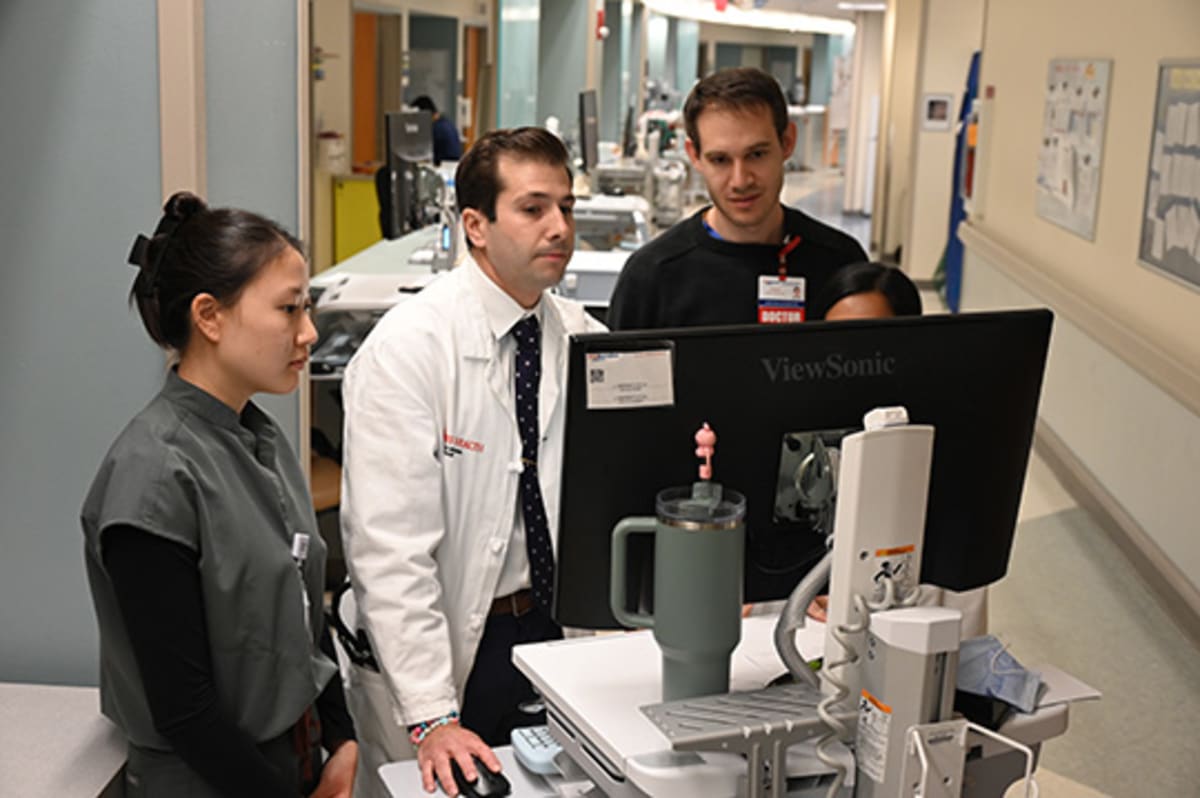
When the system detected patients entering the highest risk category, it automatically alerted rapid response teams. Critical care specialists could then rush to the bedside before conditions became dire.
Dr. Thomas Nahass, lead author and intensive care physician at RWJBarnabas Health, explained the advantage simply. "The deterioration index gives us an earlier point in time. If we can get a critical care eye on the patient sooner, we can change the course of their outcome."
The health system spent years refining how to use the technology effectively. They piloted it at their academic medical center, trained staff extensively, and carefully determined when and how alerts should trigger.
That preparation paid off. Rapid response team activations jumped from 25.3 percent to 37.5 percent among high-risk patients. Yet intensive care admissions stayed steady, suggesting doctors were intervening before patients needed the ICU.
The study, published in NEJM AI, included academic medical centers, teaching hospitals and community hospitals. The AI tool performed well across all settings.
The Ripple Effect
Because Epic is one of America's most widely used electronic health record systems, thousands of hospitals nationwide already have access to this same tool. The RWJBarnabas approach provides a roadmap other hospitals can follow.
Dr. Stephen O'Mahony, senior author, emphasized the human element. "The mortality benefit was not produced by an algorithm but by the partnership around the algorithm." The AI didn't replace doctors; it amplified their ability to help patients at the moment help mattered most.
For families watching loved ones fight for recovery, this partnership between technology and expertise offers something precious: more time together, more chances for healing, and thousands more people walking out of hospitals alive.
Based on reporting by Google News - Researchers Find
This story was written by BrightWire based on verified news reports.
Spread the positivity!
Share this good news with someone who needs it