AI Tool Cuts Hospital Deaths by 18% in New Jersey
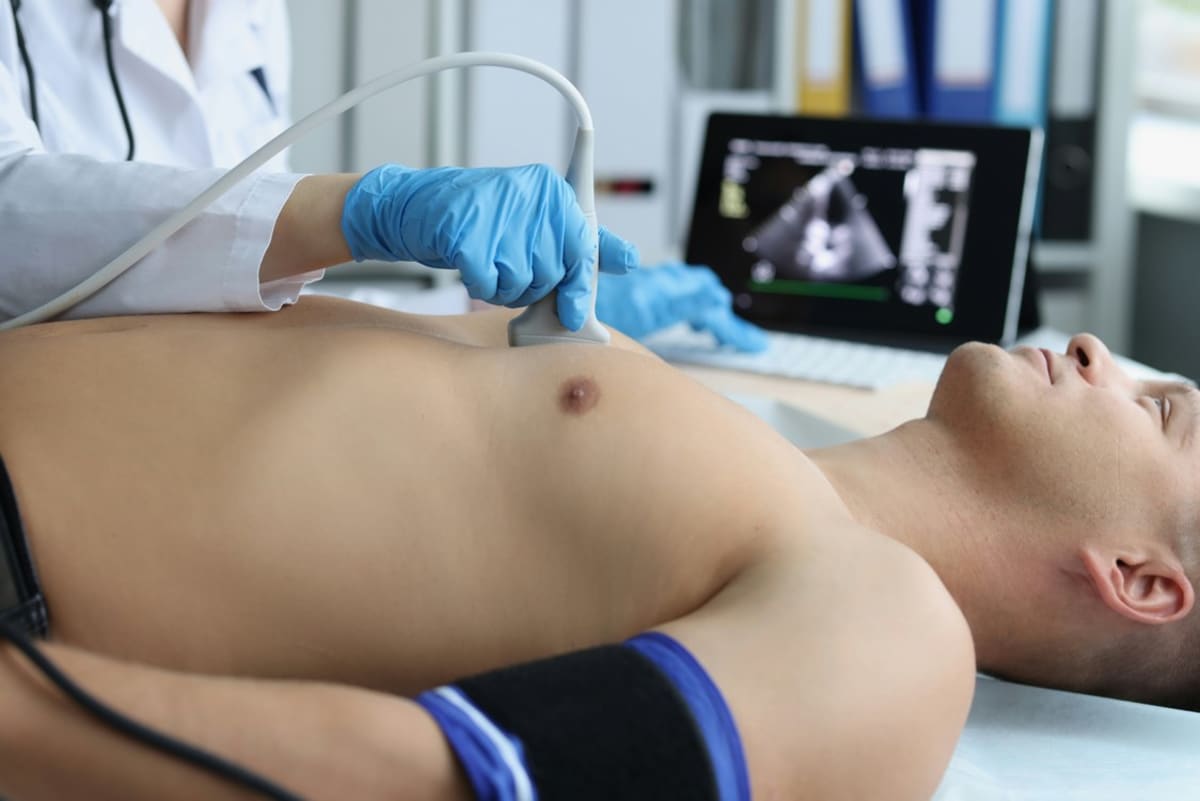
A new artificial intelligence system helped 11 New Jersey hospitals identify patients at risk of sudden decline 15 minutes earlier, preventing hundreds of deaths. The breakthrough study shows AI can save lives when paired with rapid response teams.
Hundreds of hospitalized patients are alive today because artificial intelligence spotted warning signs doctors might have missed.
Researchers at RWJBarnabas Health and Rutgers Medical School studied 23,132 high-risk patients across 11 hospitals and found something remarkable. Deaths among the sickest patients dropped from 23.1% to 18.6% after implementing an AI early warning system.
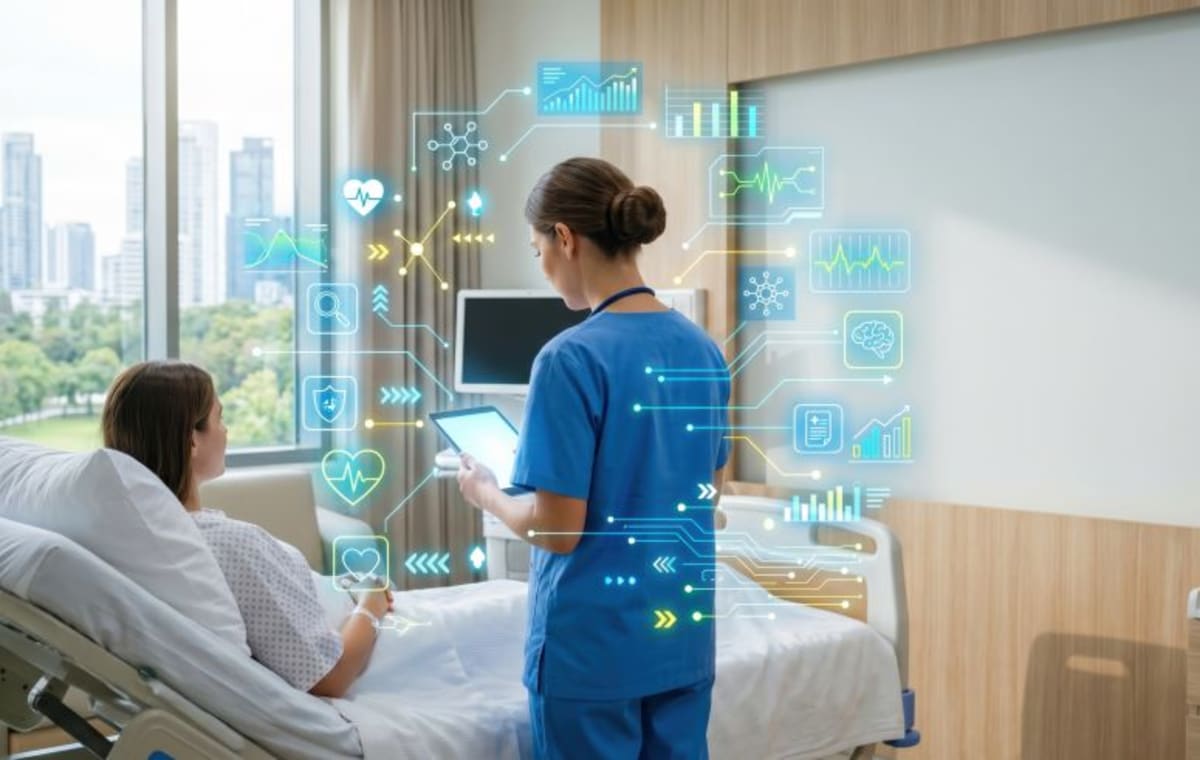
The technology works like a vigilant guardian, recalculating each patient's risk score every 15 minutes. It analyzes vital signs, lab results, nursing notes, and dozens of other data points already recorded in medical charts to predict who might suddenly get worse.
When the system detects someone entering the highest risk category, it automatically alerts rapid response teams. Critical care specialists can then reach the bedside before obvious symptoms appear, when interventions are most effective.
"Our goal was to identify patients earlier, before they reached a point where intervention becomes much more difficult," said Dr. Thomas Nahass, lead author and intensive care physician. "If we can get a critical care eye on the patient sooner, we can change the course of their outcome."
The study, published in NEJM AI, tracked outcomes at hospitals ranging from major academic medical centers to smaller community facilities. Rapid response team visits increased from 25.3% to 37.5% of high-risk patient stays, yet ICU transfers didn't spike. That suggests teams caught problems early enough to treat patients effectively without escalating care.
The system took years to perfect. RWJBarnabas first piloted the Epic Deterioration Index at one hospital, refining when alerts fired and how teams received notifications. They trained clinicians thoroughly before expanding across all locations.
Why This Inspires
Every 15 minutes, this AI gives someone another chance. It doesn't replace doctors or nurses but amplifies their ability to be everywhere at once.
The technology runs on Epic, one of America's most common electronic health record systems. That means thousands of hospitals nationwide could implement similar programs without building new infrastructure from scratch.
Researchers are already working on the next evolution: catching patients whose risk scores rise rapidly, enabling intervention even earlier in the process. The goal isn't just preventing deaths but identifying the exact moment when a simple intervention prevents a crisis.
Dr. Andy Anderson, Chief Medical Officer at RWJBarnabas, sees this as healthcare's future. "This study demonstrates how AI-enabled tools, when paired with experienced clinical teams, can help us identify patients at risk sooner and deliver the right care at the right time."
Behind every percentage point in those statistics are real people who went home to their families instead of becoming another tragic outcome. That's the promise of thoughtful innovation meeting compassionate care.
Based on reporting by Google News - Researchers Find
This story was written by BrightWire based on verified news reports.
Spread the positivity!
Share this good news with someone who needs it