AI Tool Spots 10,000 Fish Species Before They Go Extinct
Scientists created an AI model that predicts which freshwater fish need help before they become endangered, analyzing 52 risk factors across 10,000 species worldwide. The breakthrough could save fish populations while they're still thriving.
Imagine protecting wildlife before it's too late, not after. Scientists just made that possible for thousands of fish species swimming in rivers and lakes around the world.
University of Maine assistant professor Christina Murphy spent five years building an AI tool that identifies threats to more than 10,000 freshwater fish species before they reach the endangered list. The model analyzes 52 different risk factors, from dam construction to pollution to invasive species, using publicly available data that makes conservation more affordable and accessible.
The timing couldn't be better. Nearly one-third of freshwater fish species face possible extinction, threatening food supplies, ecosystems and fishing communities everywhere.
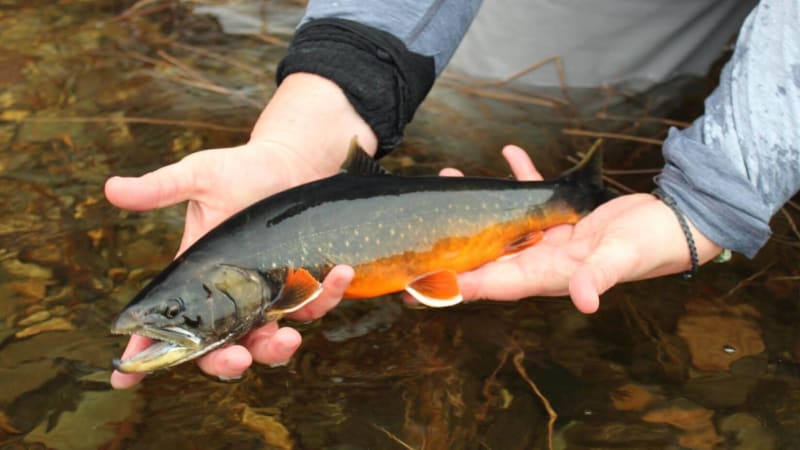
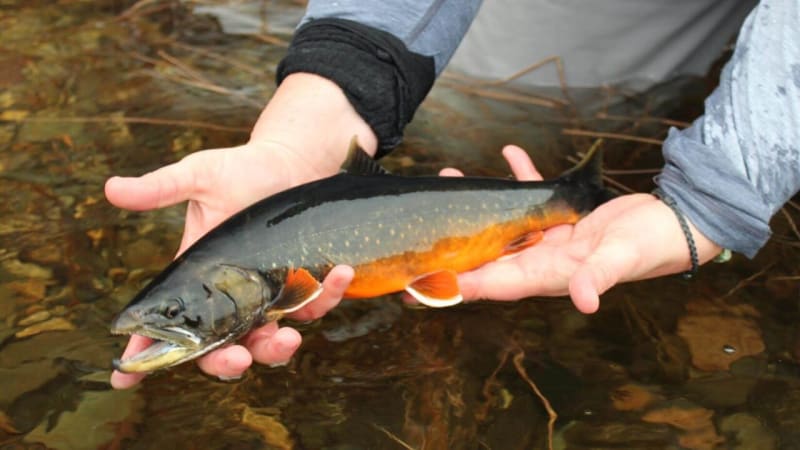
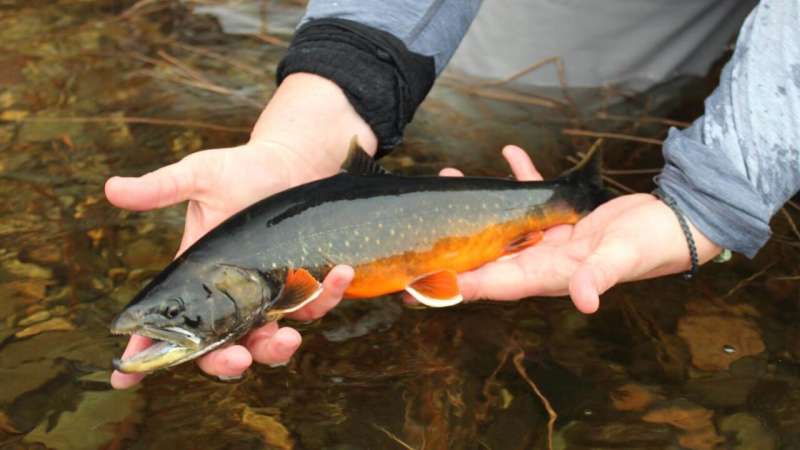
But here's the encouraging part: most species in the model can still be protected before becoming endangered. Maine's Arctic Char and similar populations worldwide still have time on their side if conservationists act now.
Murphy, who also works with the U.S. Geological Survey's Maine Cooperative Fish and Wildlife Research Unit, flipped the traditional conservation approach on its head. Instead of waiting for crisis signals, her team programmed artificial intelligence to recognize what's already working to keep fish populations healthy.
"The big takeaways are the socioeconomic impact on conservation potential, and that we are better at identifying what works for species than what doesn't," Murphy explained. Managers can now design conservation programs based on proven successes because many species respond to the same protective measures.
The research team pulled data from 12 public sources, mostly from the International Union for Conservation of Nature. They trained the AI to analyze millions of connections between species, pinpointing which face immediate danger and why.
The Ripple Effect
The tool's impact reaches far beyond individual fish species. Wildlife managers can now implement targeted protections that help multiple species simultaneously, stretching limited conservation budgets further than ever before.
Co-author J. Andres Olivos from Oregon State University compared it to human health: "For freshwater fishes, safe conditions tend to be predictable, while extinction risk can come from countless combinations of threats." Preventing problems proves more consistent than treating them after they emerge.
The model has already been validated against existing conservation assessments. Researchers believe the same approach could protect birds, trees and countless other plants and animals facing uncertain futures.
Ivan Arismendi, an associate professor at Oregon State University, emphasized the practical advantage: "People sometimes go in to protect species when it's already too late. With our model, decision makers can deploy resources in advance before a species becomes imperiled."
From redfin pickerel in Maine's Kennebec River to sturgeon in the Great Lakes, freshwater fish finally have advocates armed with early warning systems instead of last-minute rescue plans.
More Images


Based on reporting by Phys.org
This story was written by BrightWire based on verified news reports.
Spread the positivity!
Share this good news with someone who needs it