AI Uncovers Hidden Breakthroughs in Old Science Papers
Scientists are using artificial intelligence to mine decades of forgotten research papers and discover new breakthroughs hiding in plain sight. This approach could speed up scientific progress without running a single new experiment.
What if the cure for the next big problem is already sitting in a dusty research paper from 1987, just waiting to be noticed again?
Researchers at Tohoku University in Japan have found a way to unlock hidden scientific breakthroughs by teaching AI to read and connect patterns across thousands of old studies. Their findings show that some of tomorrow's discoveries might actually be yesterday's forgotten data.
"Modern science produces an overwhelming amount of information, making it increasingly difficult for researchers to see the bigger picture hidden across thousands of studies," said Hao Li, Distinguished Professor at Tohoku University's Advanced Institute for Materials Research. The team published their findings in the journal Chemical Communications.
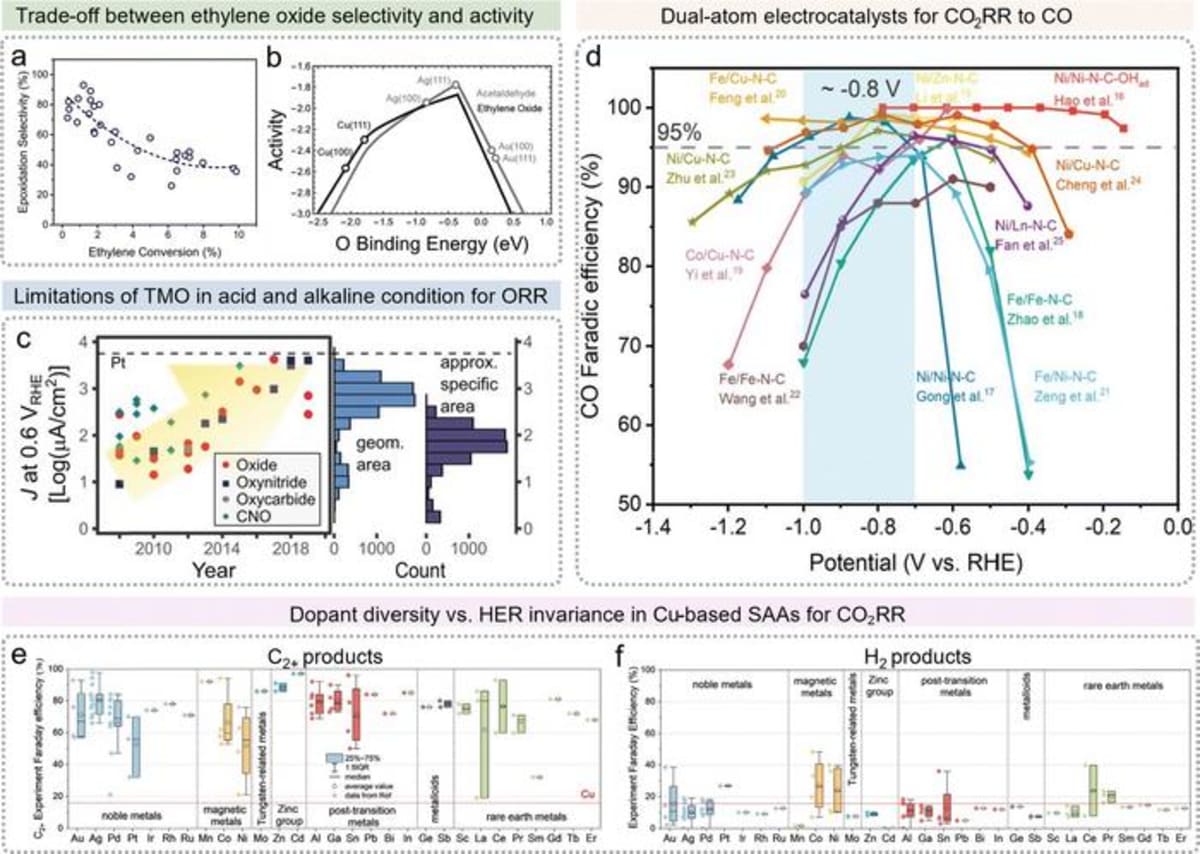
The approach has already shown promising results across multiple fields. In catalysis research, AI spotted new patterns in old experiments that revealed gaps in existing theories, speeding up the design of new materials.
For battery development, the technology helped scientists better understand solid-state electrolytes by connecting dots across decades of separate studies. In hydrogen storage research, the team demonstrated a complete pathway from dusty old data to new material designs.
The Ripple Effect
This isn't just about making research faster. It's about fundamentally changing how science progresses.
Instead of every generation of scientists starting from scratch or accidentally repeating experiments, AI can help them stand on the shoulders of everyone who came before. Patterns invisible to human readers become clear when computers analyze thousands of papers simultaneously.
The approach could democratize discovery too. Smaller research teams without massive lab budgets could compete by finding brilliant insights in existing public data. Young scientists in developing countries could access the same knowledge base as elite institutions.
"Scientific discovery is no longer driven only by creating new data," Li explained. "The next breakthrough may come from seeing old knowledge in a completely new way with the help of AI."
The team envisions a future digital materials ecosystem where databases, AI agents, theoretical simulations, and experimental validation all work together. Old knowledge gets continuously recombined into new understanding.
This matters beyond materials science. Medical research contains millions of studies. Climate data spans centuries. Agricultural experiments fill library shelves. All could hold hidden connections waiting to be discovered.
The future of innovation might depend less on running more experiments and more on truly understanding the ones we've already run.
More Images
Based on reporting by Google: scientific discovery
This story was written by BrightWire based on verified news reports.
Spread the positivity!
Share this good news with someone who needs it