NASA Discovers Material to Melt Moon Rocks for Oxygen
Scientists at NASA's Glenn Research Center accidentally discovered a new heat-resistant material that could help astronauts extract oxygen and metals from lunar rocks. The breakthrough could make future Moon missions lighter and more self-sufficient.
Two NASA researchers stumbled upon a discovery that could transform how astronauts survive on the Moon while testing materials in a Cleveland laboratory.
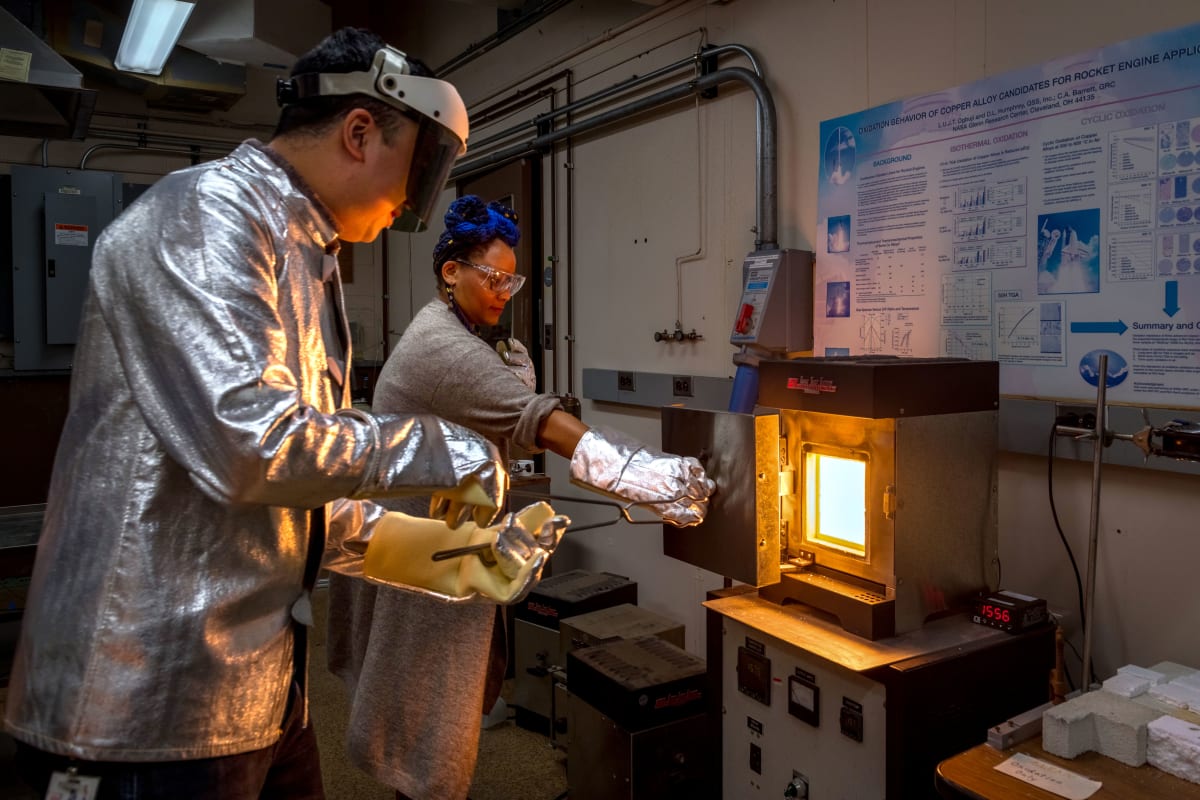
Dr. Kevin Yu and Dr. Jamesa Stokes were studying how different substances hold up against molten lunar dust when they noticed something unusual. About six months into their experiments, they realized they'd created something entirely new.
The material formed when they combined simulated Moon dust with scandium oxide and heated it in a furnace. When they ran the substance through their X-ray analysis database containing over one million known materials, nothing matched.
"You could call it lava, because it's basically rocks that are crushed up and then melted," Yu explained. Most heat-resistant materials can't survive contact with this corrosive, liquefied Moon dust.
The discovery solves a major challenge for NASA's plan to help astronauts "live off the land" on future lunar missions. By melting Moon rocks, explorers could extract metals for building structures and oxygen for breathing and rocket fuel.
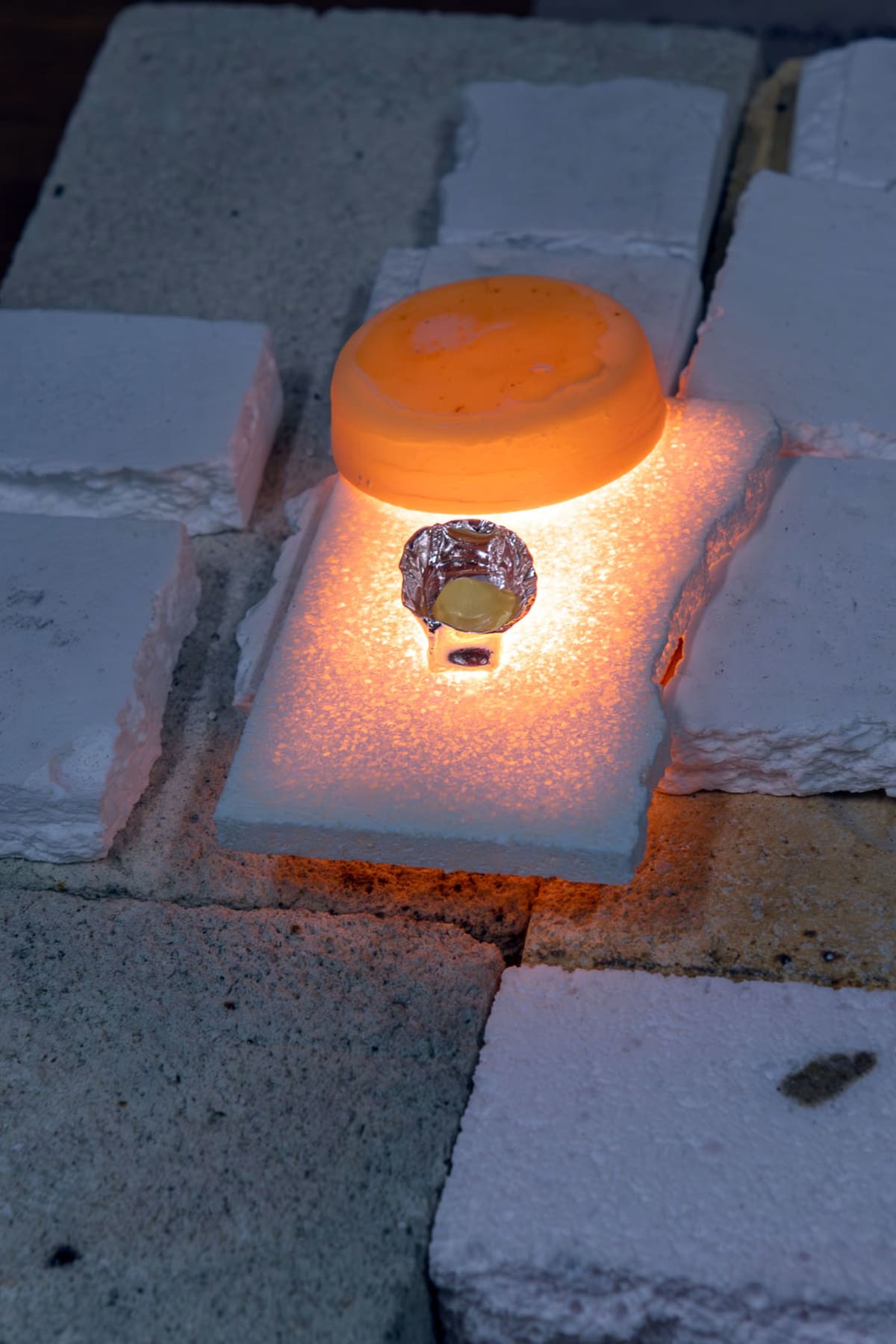
The new material can withstand temperatures up to six times hotter than a kitchen oven without breaking down. It's also significantly cheaper than platinum, which would normally be required for these extreme conditions.
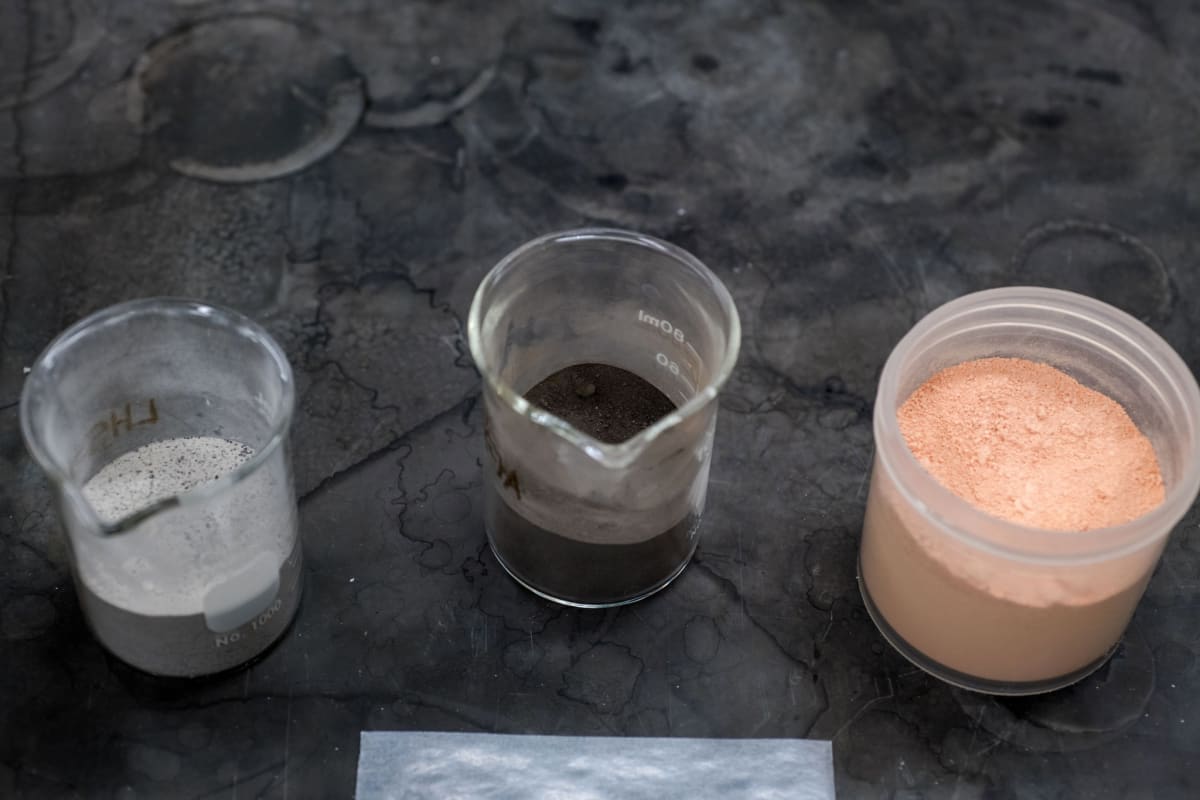
The researchers created small samples by grinding eight basic oxide components in ethyl alcohol, then baking the mixture at over 2,900 degrees Fahrenheit. The powder starts pink like strawberry milk and turns light beige when the reaction completes, providing a built-in progress indicator.
The Ripple Effect
This lunar breakthrough is already making waves back on Earth. The material is lighter, less dense, and better at insulating heat than current coating materials used in jet engines, which reach similarly scorching temperatures.
"Materials research will be integral to exploring the harsh environments of the Moon and beyond," Stokes said. "You can have the best idea in the world for a structure or a vehicle, but if you don't have the materials with the right properties, it's not going to succeed."
The substance could be used to make pipes or containers that hold molten Moon dust inside future resource extraction technology. Yu and Stokes are now working to purify the material and make it even more affordable to produce.
"I think trying to push what's possible with materials also allows for a lot of breakthroughs on the terrestrial side," Yu said. Understanding new materials for space exploration creates benefits across countless applications on Earth.
Future Moon explorers may pack significantly lighter knowing they can manufacture essentials from lunar soil itself.
More Images

Based on reporting by NASA
This story was written by BrightWire based on verified news reports.
Spread the positivity!
Share this good news with someone who needs it