AI Unlocks 2,000-Year-Old Scrolls Buried by Vesuvius
Scientists used artificial intelligence to read ancient scrolls turned to charcoal by Mount Vesuvius without ever unrolling them. The texts reveal lost works of Greek philosophy that haven't been read in nearly two millennia.
Nearly 2,000 years after Mount Vesuvius buried them in ash, ancient scrolls once thought unreadable are finally sharing their secrets.
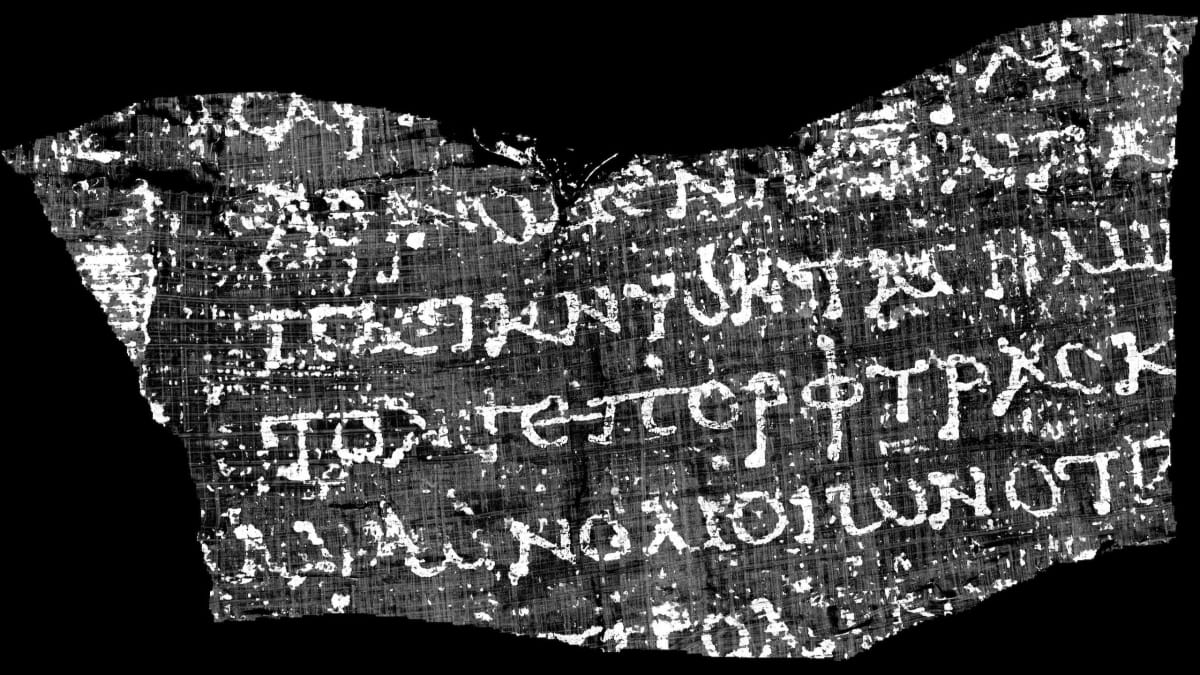
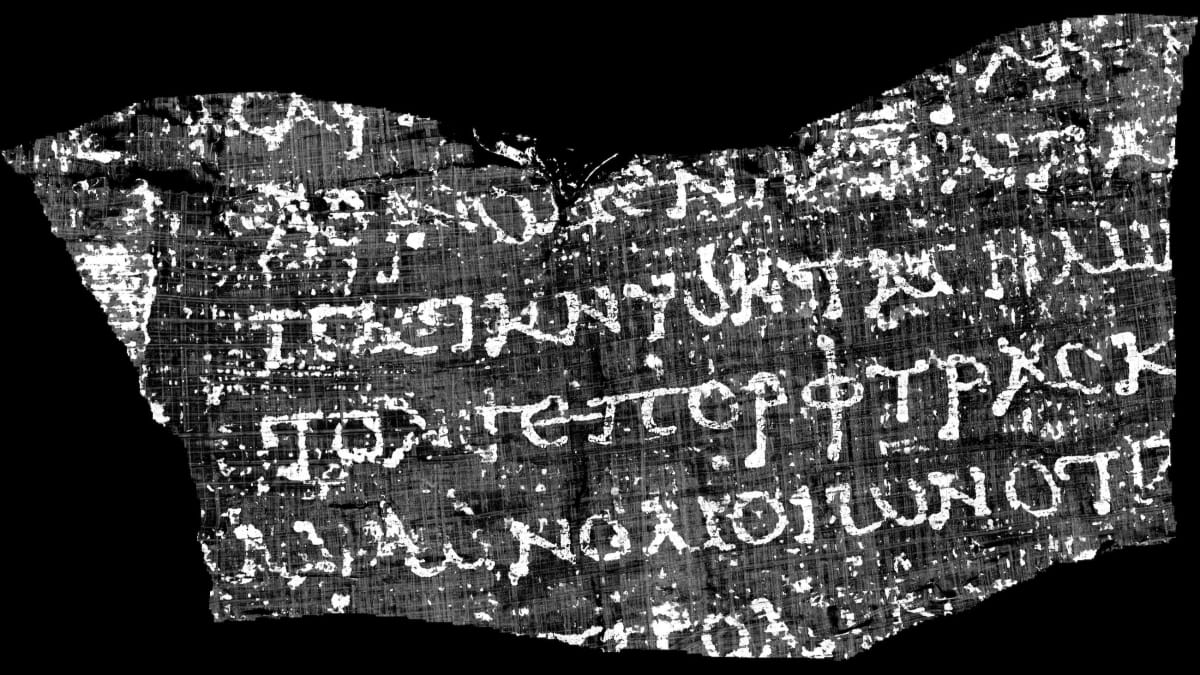
The breakthrough comes from the Vesuvius Challenge, where researchers used advanced scanning and artificial intelligence to virtually unwrap scrolls from Herculaneum, the Roman city destroyed alongside Pompeii in 79 A.D. Without physically touching the fragile, blackened lumps, they've recovered over 90 columns of Greek text from two scrolls.
One scroll was so badly damaged when physically opened in the 1980s that experts gave it a readability score of zero. Now, AI has revealed 5 feet of continuous text across 20 columns.
The real excitement lies in what the scrolls contain. Researchers believe one text may be a lost work by Chrysippus, an influential Stoic philosopher whose writings have almost entirely vanished from history.
The scroll specifically mentions Aristocreon, Chrysippus' nephew and student, and reads like a Stoic treatise on ethics and human behavior. If confirmed, this would be a major addition to our understanding of early Stoic philosophy.
Computer scientist Brent Seales and his team at the University of Kentucky used a synchrotron to essentially X-ray inside the scrolls and detect ancient ink. The machine learning algorithms then helped identify letter patterns that human eyes couldn't see.
In another scroll, researchers found evidence that a known philosophical work by Philodemus extended across at least eight volumes, far more than previously thought. Experts are now reexamining other texts to find additional volumes.
The Ripple Effect
More than 600 scrolls from Herculaneum remain unopened, and this technique gives researchers a way to read them all. The villa where these texts were preserved likely belonged to Julius Caesar's father-in-law, suggesting the collection may contain invaluable historical and literary treasures.
The Vesuvius Challenge combined imaging technology, artificial intelligence, and international collaboration to solve a problem that stumped scholars for centuries. What was intellectually inaccessible for two millennia is now becoming readable.
Thousands of years after they were written, these ancient voices are finally being heard again.
More Images
Based on reporting by Live Science
This story was written by BrightWire based on verified news reports.
Spread the positivity!
Share this good news with someone who needs it

%2Fhttps%3A%2F%2Ftf-cmsv2-smithsonianmag-media.s3.amazonaws.com%2Ffiler_public%2F4e%2F9f%2F4e9f0fe8-aa48-438a-b88f-3a29cd71107e%2Fhttps___wwwfrontiersinorg_files_articles_1758862_xml-images_fmats-13-1758862-g001.jpeg)