AI Wheelchairs Navigate Rooms on Voice Commands
Scientists in Germany have built smart wheelchairs that respond to voice commands like "drive me to the coffee machine" and avoid obstacles automatically. The technology could reach everyday users within a decade, helping people with severe disabilities gain new independence.
Imagine telling your wheelchair "take me to the kitchen" and watching it safely navigate there on its own. That's exactly what researchers in Germany have made possible with new AI-powered wheelchairs that understand natural language and dodge obstacles without human help.
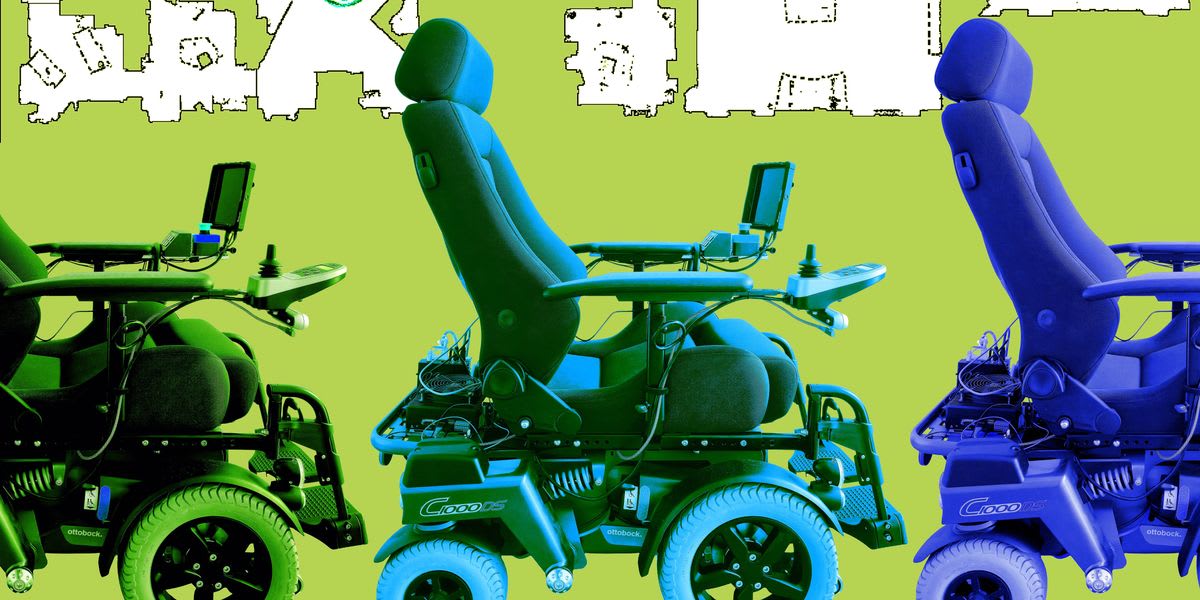
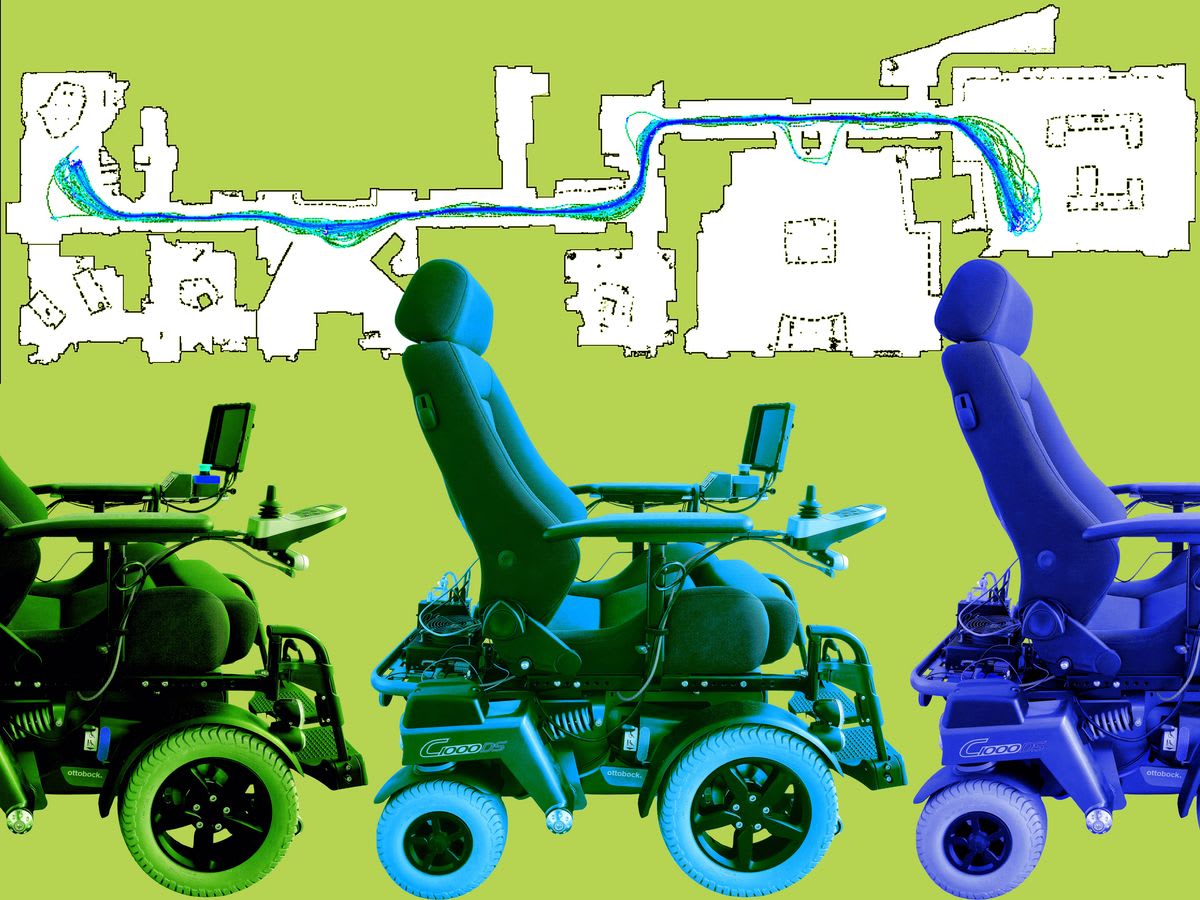
Christian Mandel and his team at the German Research Center for Artificial Intelligence equipped electric wheelchairs with laser scanners, depth cameras, and navigation software. Users can either control the chair with a traditional joystick or simply speak their destination and let the chair take over completely.
The system works surprisingly well. Users press a button on the armrest interface, say where they want to go, confirm the command, and the wheelchair charts a safe path while its sensors watch for anything in the way. The researchers even tested drones that map rooms from above to help wheelchairs navigate more safely.
This technology addresses a real need. Many wheelchair users with severe disabilities already navigate tight spaces skillfully, but some face cognitive or motor challenges that make manual control difficult or impossible.
Why This Inspires
The best part? Researchers aren't trying to replace human control entirely. Pooja Viswanathan, CEO of Toronto-based Braze Mobility, emphasizes that smart wheelchair tech should support users rather than sideline them. Her company makes blind-spot sensors that add safety features to any existing wheelchair without requiring an expensive replacement.
Cost remains the biggest hurdle. Funding systems rarely cover advanced wheelchair technology unless there's clear proof it's safe and valuable. Reliability matters too since smart wheelchairs must work in messy, unpredictable real-world conditions, not just controlled lab settings.
Louise Devinge, a biomedical engineer in France, points out that adding more sensors and computing power creates new challenges. All those systems need to communicate and work together flawlessly across every environment wheelchair users encounter daily.
Despite these obstacles, the future looks promising. Mandel expects smart wheelchairs ready for mainstream consumers within 10 years. Viswanathan calls this research exactly the kind of ambitious work that pushes the entire field forward, especially because it prioritizes trustworthy, explainable AI that users can understand and trust.
The technology builds on years of development. Mandel got his start years ago helping create a smart wheelchair controlled by head movements, and he's been chasing that original inspiration ever since.
For people with reduced mobility, voice-controlled wheelchairs represent more than convenience. They offer independence, dignity, and the freedom to move through the world on their own terms.
More Images
Based on reporting by IEEE Spectrum
This story was written by BrightWire based on verified news reports.
Spread the positivity!
Share this good news with someone who needs it