Airbus Tests Wings That Could Cut Plane Emissions by 10%
Airbus is testing revolutionary super-long wings that fold at the tips to fit airport gates while dramatically reducing fuel use and carbon emissions. The Wing of Tomorrow program could transform air travel efficiency within the next decade.
Airbus just unveiled wings that could make flying significantly cleaner, borrowing a genius design trick from nature's most efficient gliders.
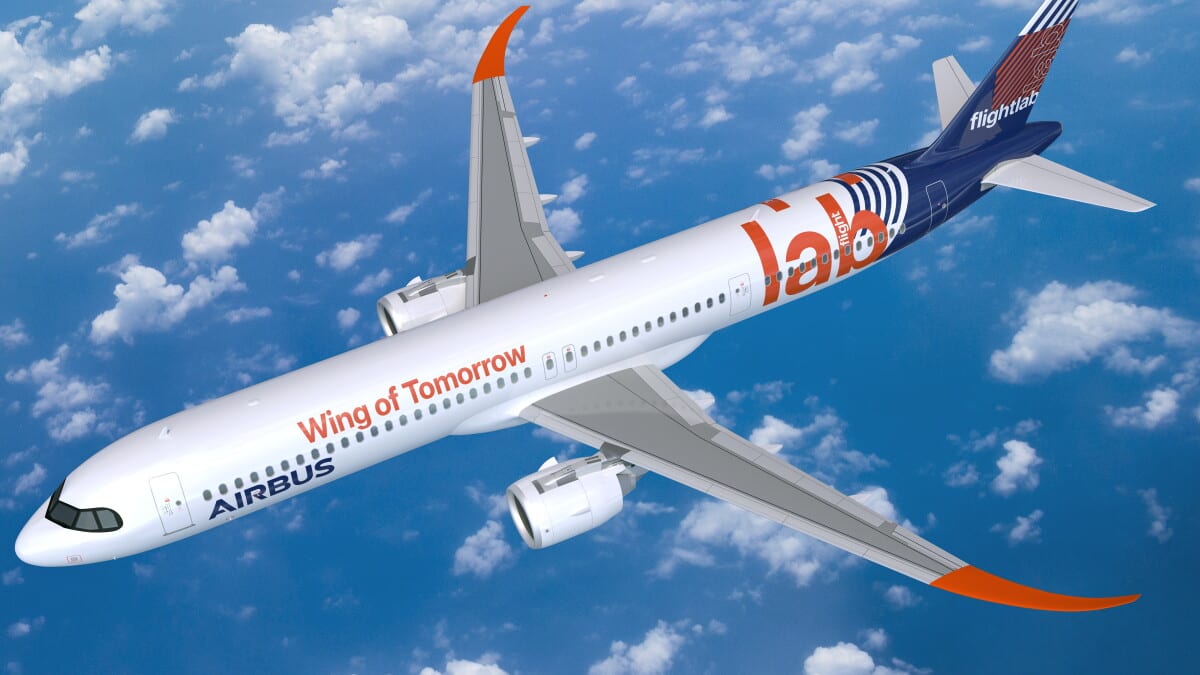
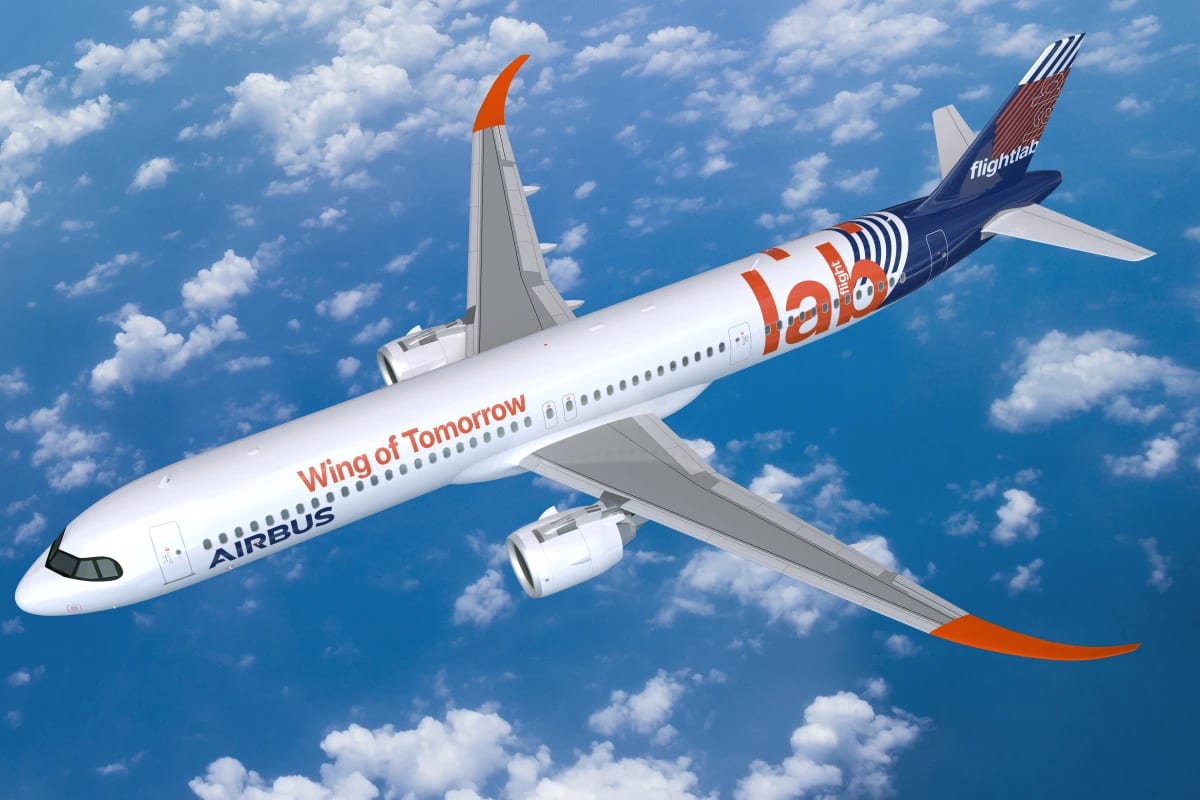
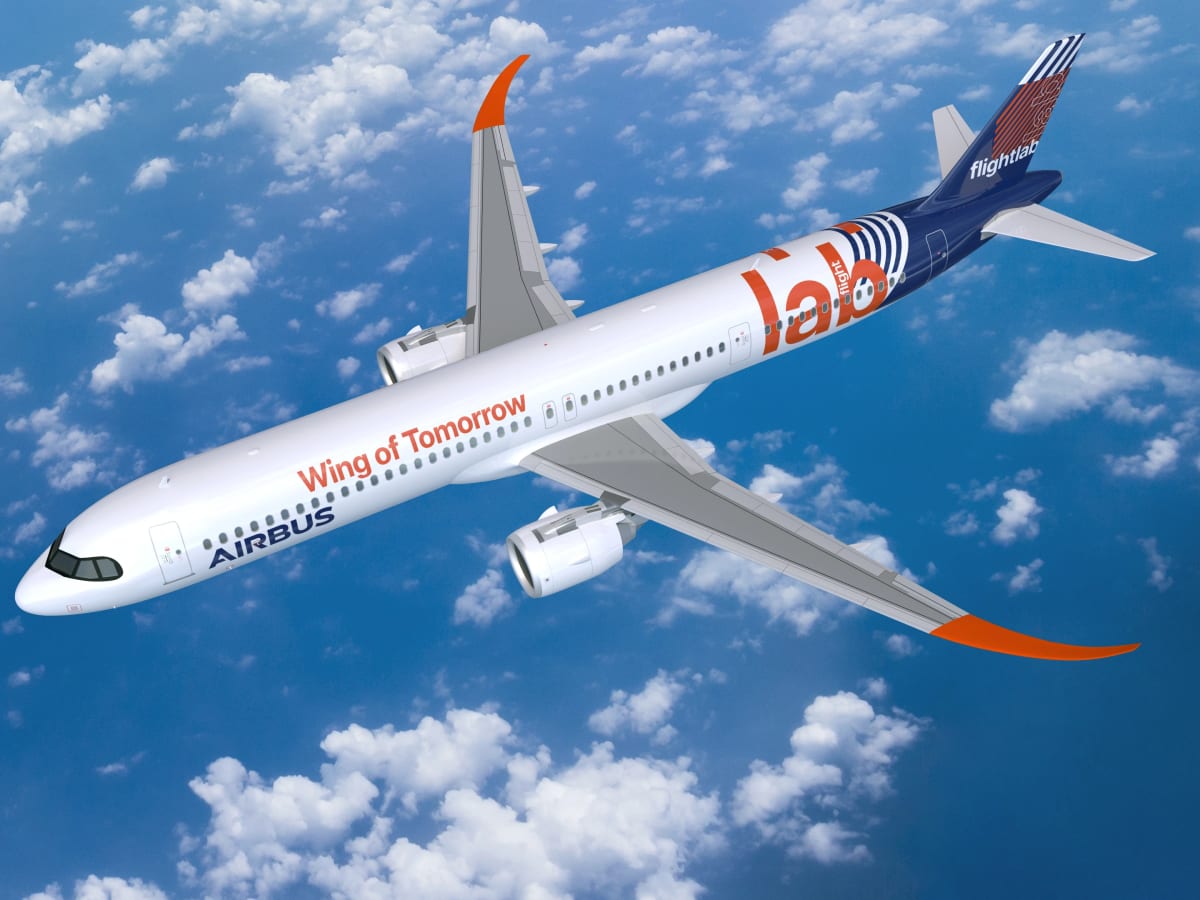
The aerospace giant is testing next-generation wings inspired by albatross design for its commercial airliners. These revolutionary wings are so long and efficient they'll need to fold at the tips just to fit through existing airport gates.
The science behind the breakthrough is surprisingly simple. Longer, narrower wings create far less drag as they slice through the air, similar to how glider planes coast effortlessly on wind currents. This higher "aspect ratio" means planes can fly the same routes while burning dramatically less fuel.
The new wings will extend up to 16 feet longer per side than current models. That extra length translates to double-digit percentage drops in both fuel consumption and carbon emissions, a massive win for an industry working to reduce its environmental impact.
There's just one problem. Modern airports weren't built for wings this wide. Current gate designs limit single-aisle planes like the Airbus A320 to wingspans of 118 feet maximum, and these new super-wings exceed that considerably.
Rather than force airports into expensive redesigns or restrict flight schedules, Airbus engineers chose an elegant solution. The wingtips will fold, allowing planes to navigate terminals normally while keeping their efficient shape during flight.
Getting folding wings flight-ready isn't as simple as adding hinges, though. Engineers must balance complex aerodynamics while accommodating all the folding hardware without compromising the wing's performance. Every component needs to work flawlessly at 30,000 feet.
The Ripple Effect
This innovation reaches far beyond just newer planes. Over the next three years, Airbus will test non-folding prototype wings that mimic the folding versions' characteristics, accelerating development without waiting for complete folding mechanisms.
If successful, the technology could retrofit into existing airport infrastructure worldwide without requiring billions in terminal expansions. Airlines could upgrade their fleets gradually, making cleaner air travel accessible faster than alternative approaches.
Sue Partridge, who leads the Wing of Tomorrow program, calls the wing "one of the biggest levers we have to improve flight efficiency." For an industry that has pushed innovation boundaries for five decades, that's saying something significant.
The test flights represent years of composite material research, aerodynamic modeling, and engineering problem-solving finally taking to the skies. Each successful flight brings commercial aviation closer to a significantly smaller carbon footprint.
Within a decade, passengers might board planes with wings that gracefully unfold before takeoff, combining nature's wisdom with human ingenuity to make every journey gentler on our planet.
More Images

Based on reporting by New Atlas
This story was written by BrightWire based on verified news reports.
Spread the positivity!
Share this good news with someone who needs it