Akamai CEO: Smaller AI Centers Beat $50B Mega Data Centers
While tech giants race to build massive data centers costing tens of billions, Akamai's CEO says the industry is solving AI problems the wrong way. His distributed network approach could power AI faster without crushing local communities.
The race to build bigger AI data centers might be heading in the wrong direction, according to a CEO whose company powers much of the internet.
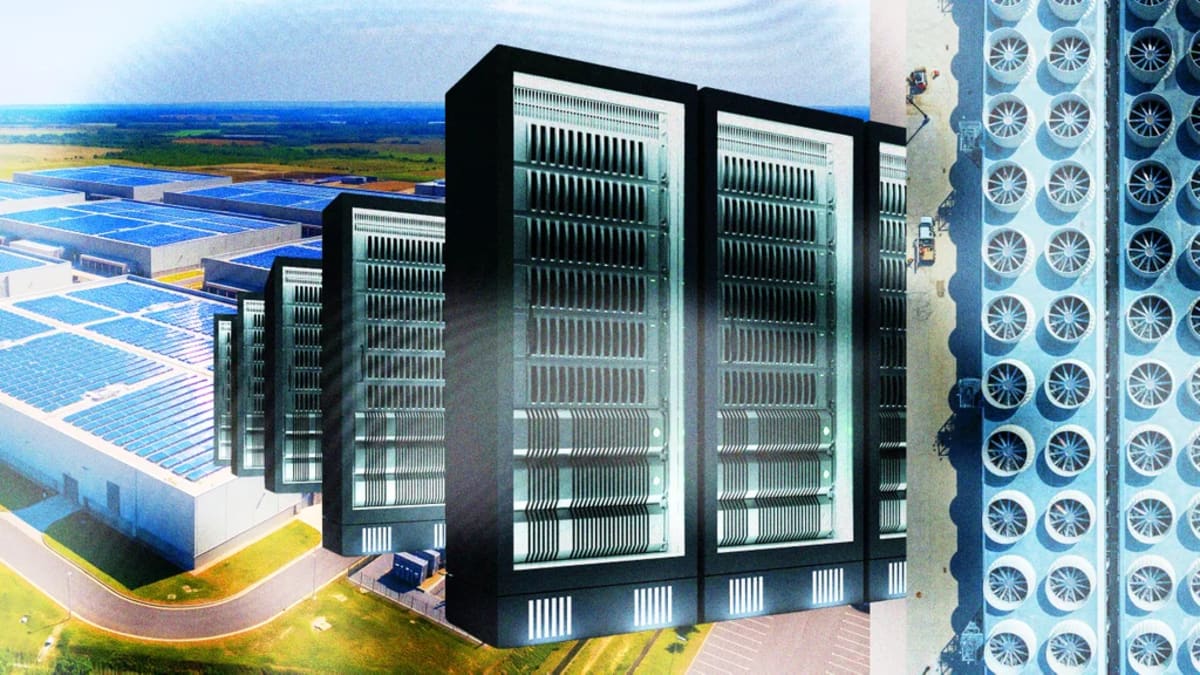
Tom Leighton, who leads the $18 billion tech company Akamai, is challenging the assumption that artificial intelligence needs massive facilities like Meta's $50 billion Louisiana campus. That project alone will consume enough power to run five nuclear reactors.
Leighton argues these giant buildings solve training problems but create new ones for inference, the real-world "thinking" AI needs to do every day. Communities across America are already pushing back against data centers that drain local power and water supplies.
Akamai built its reputation in the late 1990s by solving a similar problem. Back then, the early internet was choking because every web request funneled through a handful of central servers. Leighton's solution was spreading the workload across many locations instead of one giant facility.
Now he's applying that same thinking to AI. Rather than building new mega-centers that spark community battles, Akamai wants to use networks of existing facilities. The approach promises lower costs and faster response times without overwhelming any single town.
The strategy has attracted a powerful ally. Nvidia, the chip company driving the AI revolution, is backing Leighton's vision of distributed AI infrastructure.
The Ripple Effect
The stakes go beyond technology. Rural and suburban communities have become unexpected battlegrounds as tech companies seek cheap land and power for expansion. Residents worry about strain on utilities and environmental impacts that benefit distant tech users more than local families.
Leighton's distributed approach could ease those tensions. Spreading AI computing across many smaller locations means no single community bears the burden of another tech giant's gigawatt appetite.
His model also addresses a practical problem. Agentic AI systems that interact with users in real time need quick responses that distant mega-centers can't always provide. A network of facilities closer to users delivers better performance at lower cost.
The question now is whether the industry will shift course. Tech giants have already committed billions to their centralized strategies, with projects planned across multiple states.
But if Akamai proves its distributed model works, it could reshape how the industry thinks about AI infrastructure. The solution to AI's growing pains might not be building bigger but building smarter.
The internet's history suggests Leighton knows something about challenging conventional wisdom when everyone else is racing in the same direction.
Based on reporting by Fast Company - Innovation
This story was written by BrightWire based on verified news reports.
Spread the positivity!
Share this good news with someone who needs it