Alberta Farm Turns Cow Manure Into Clean Energy for 4,500 Homes
A Canadian cattle farm is building a groundbreaking facility that transforms livestock waste into renewable natural gas while capturing carbon. The $10 million project will power thousands of homes and cut emissions equal to taking 3,800 cars off the road.
Alberta is turning one of farming's messiest problems into clean energy that could power an entire town.
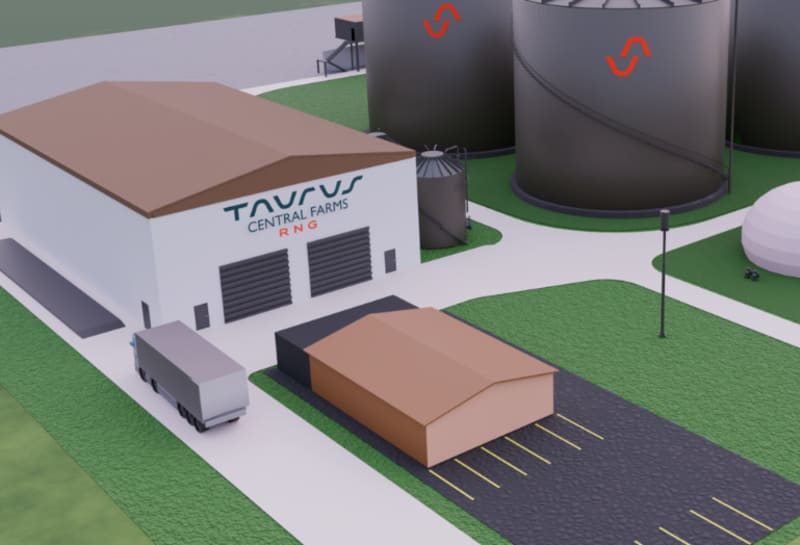
Taurus RNG just secured $10 million to build Canada's first fully integrated renewable energy and carbon capture facility at Kasko Farms in Alberta's cattle country. The plant will transform 130,000 tons of cow manure each year into enough renewable natural gas to heat and power 4,500 homes.
Here's how it works: the facility uses anaerobic digestion, a natural process where microbes break down manure and produce bio-methane instead of letting harmful gases escape into the air. That bio-methane becomes renewable natural gas that flows directly into existing pipelines, replacing fossil fuels without requiring any new infrastructure.
The project solves two problems at once. Cattle farms produce massive amounts of manure that typically releases methane, a potent greenhouse gas, into the atmosphere. This facility captures that waste and turns it into clean energy while also sequestering carbon dioxide underground.
The environmental impact is substantial. When the facility opens in January 2028, it will reduce emissions equivalent to removing 3,800 cars from the road annually. The process also creates a bonus product: nutrient-rich digestate that farmers can use as sustainable fertilizer.
Alberta's government invested $28 million total across six similar technology projects through their Emissions Reduction Alberta program. The funding comes from industry contributions to the Technology Innovation and Emissions Reduction program, meaning polluters are helping fund the solutions.
The Ripple Effect
This project represents a shift in how we think about agricultural waste. What was once an expensive disposal problem is now a valuable resource that generates income for farmers while fighting climate change.
The partnership between Taurus RNG, Kasko Cattle Company, and KCL Cattle Company could serve as a model for cattle operations worldwide. If other farms adopt similar technology, the cumulative impact on emissions reduction could be massive.
Construction breaks ground this summer, with full operations expected by early 2028. The facility will produce 360,000 gigajoules of renewable natural gas annually, all from local livestock manure within Alberta's cattle farming region.
For rural Alberta, this means new jobs, cleaner air, and proof that energy production and environmental protection can advance together. The world is watching to see if this model can scale.
Based on reporting by Google News - Emissions Reduction
This story was written by BrightWire based on verified news reports.
Spread the positivity!
Share this good news with someone who needs it