Alibaba's Free AI Detects Cancer Better Than Most Doctors
A powerful medical AI that can spot cancer and 150 other conditions in CT scans just became free for hospitals worldwide. The model already outperforms most radiologists in real-world testing.
Imagine a world where every hospital, regardless of budget, has access to expert-level cancer detection that never sleeps and rarely misses a thing.
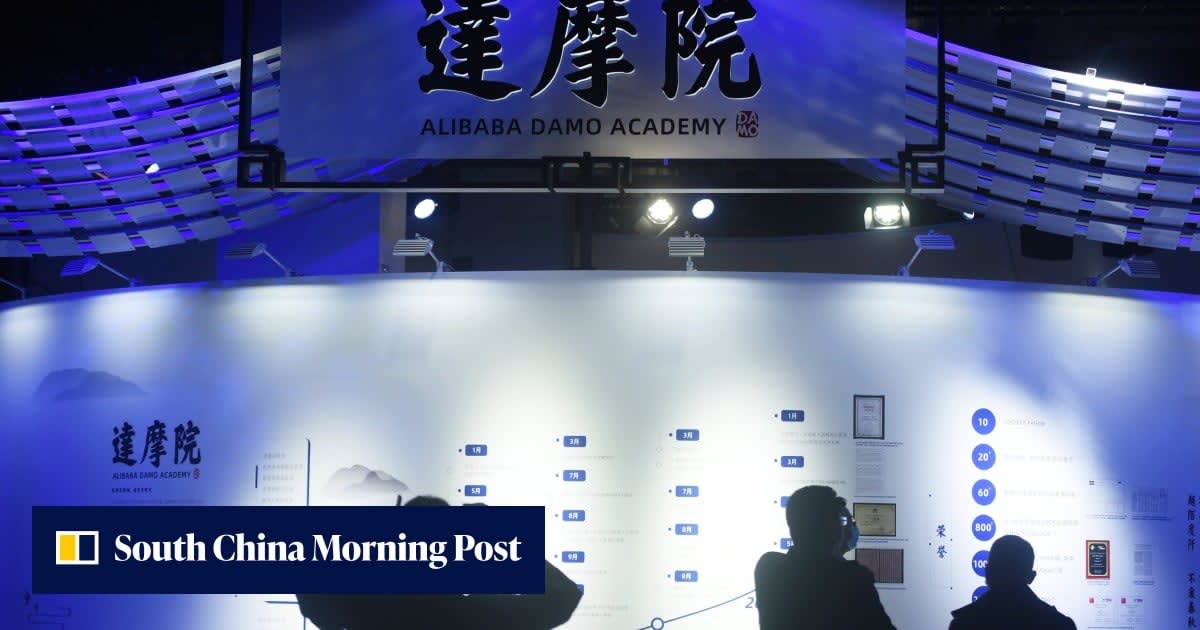
That world just got closer. Alibaba's research division has made its groundbreaking medical AI freely available to anyone who wants to use it. The model, called Damo Radar, can identify nearly 150 abdominal conditions including cancers by reading CT scans.
The AI examines images of 18 different abdominal organs, hunting for malignant tumors and other abnormalities that doctors might miss. It learned this skill by studying thousands of CT scans paired with the clinical reports radiologists wrote about them.
When researchers tested Damo Radar on nearly 40,000 real-world medical exams, it achieved an accuracy score of 0.913 out of a perfect 1.0. More importantly, it outperformed most human radiologists in detecting problems.
The team behind the project calls it "the world's first expert-level generalist medical imaging model." Unlike specialized AI tools that look for just one disease, this model can hunt for dozens of conditions simultaneously.
Making the technology open source means hospitals in underserved areas can now access the same diagnostic quality as wealthy medical centers. A rural clinic with one overworked radiologist could use Damo Radar as a second set of eyes, catching things that might slip through during a long shift.
The Ripple Effect
The real promise extends beyond abdominal scans. Researchers say their training approach could work with other types of medical imaging too, from chest X-rays to brain scans.
That means the same principles powering Damo Radar could eventually help doctors detect lung disease, stroke damage, or bone fractures with similar accuracy. Each new application multiplies the number of lives this technology could touch.
For patients, faster and more accurate diagnoses mean earlier treatment and better outcomes. For doctors, AI assistance means fewer mistakes and more time to focus on patient care instead of staring at screens.
The timing matters too. As healthcare systems worldwide struggle with radiologist shortages, tools like this help fill critical gaps without requiring years of medical training.
Medicine just took another step toward becoming more accurate and more accessible at the same time.
More Images

Based on reporting by South China Morning Post
This story was written by BrightWire based on verified news reports.
Spread the positivity!
Share this good news with someone who needs it